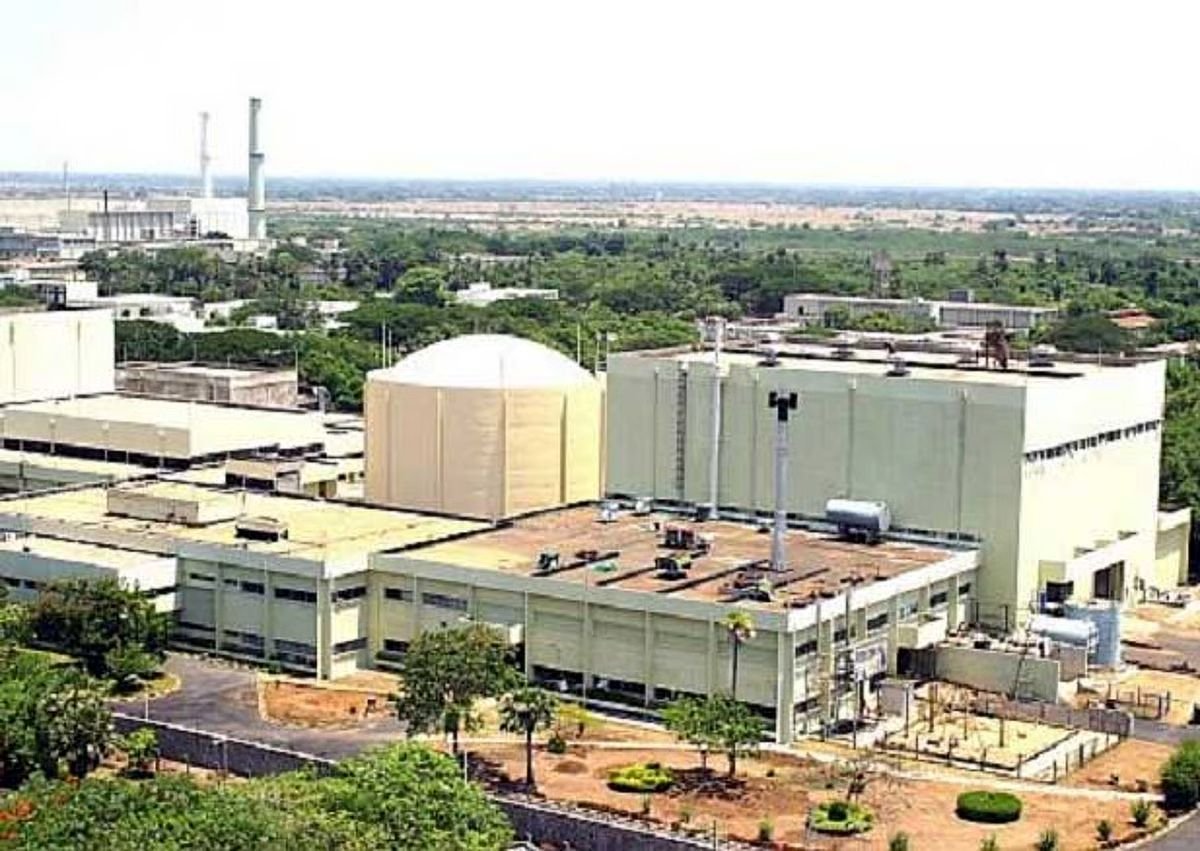
The facility represents a departure from the global reliance on electrolysis. While major economies compete to lower the cost of electricity-driven hydrogen production, the Department of Atomic Energy has successfully demonstrated a method that utilizes nuclear process heat to split water directly. This process achieves 50% efficiency, doubling the output of standard electrolysis while maintaining zero emissions. Crucially, the entire supply chain—from the Bhabha Atomic Research Centre’s chemical cycle to the fast breeder reactors—is indigenous, shielding the nation from foreign technology sanctions or supply chain vulnerabilities.
This technical milestone addresses a critical structural weakness: India currently imports 85% of its crude oil and relies on natural gas for industrial hydrogen, creating a double dependency on foreign energy. By integrating nuclear-generated hydrogen into sectors like steel, cement, and fertilizer production, the government aims to bridge the reliability gap inherent in solar and wind power. However, the path to industrial scale remains uncertain. Although the 500 MWe Prototype Fast Breeder Reactor finally achieved criticality in 2026, it did so sixteen years behind schedule. To move beyond a pilot facility, the government must now prioritize the four additional fast breeder reactors proposed in 2019 and leverage the SHANTI Act to secure the private investment necessary for large-scale production.


Comments (0)
No comments yet. Be the first!