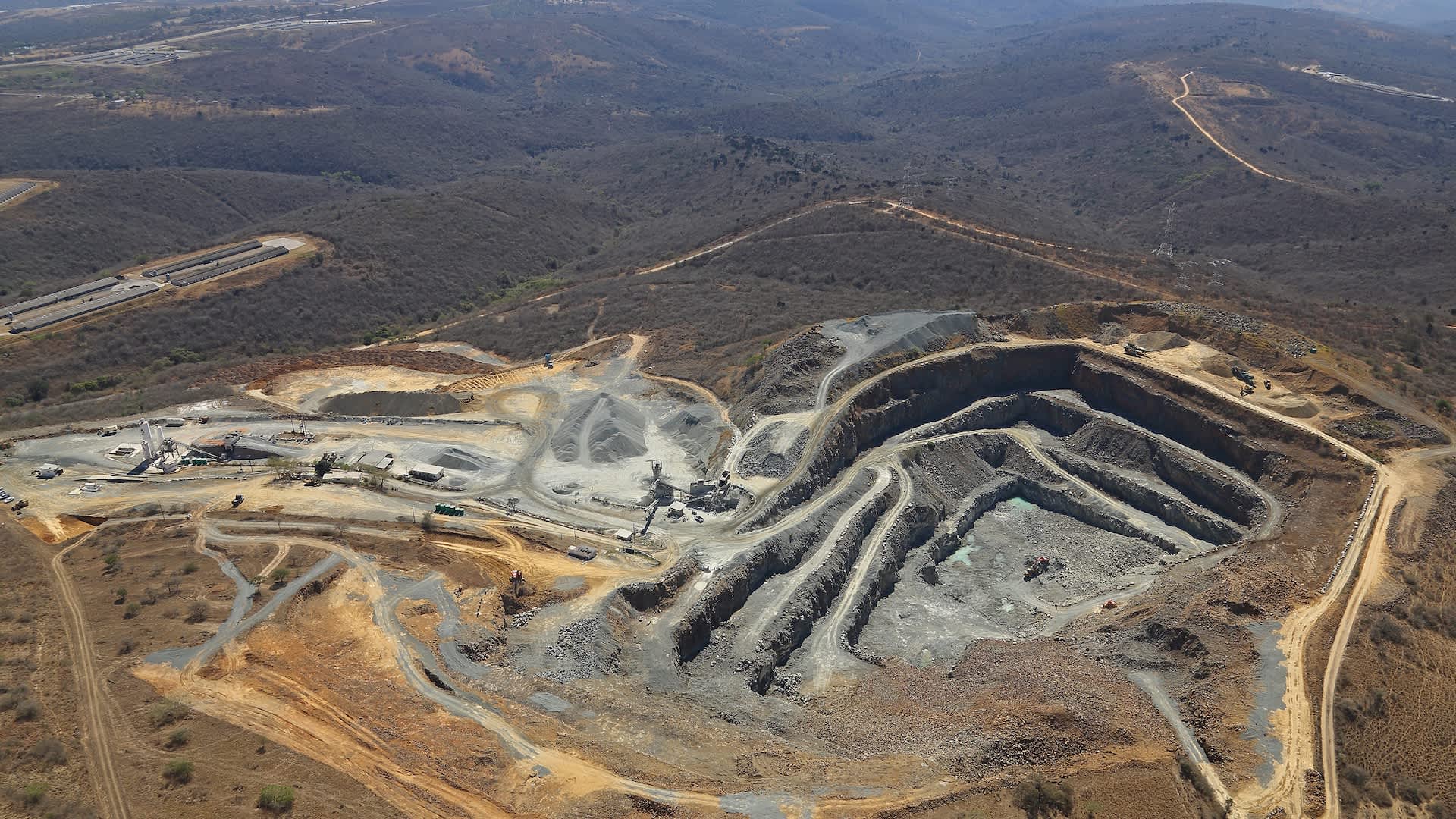
The upcoming African Mining Week in Cape Town, set for October 14–16, 2026, will serve as the central stage for this capital shift. The event gathers heavyweights including the Africa Finance Corporation, the U.S. International Development Finance Corporation, and major commercial lenders like Standard Bank and Absa. Their goal is to bridge the infrastructure gap that has historically hampered the continent’s ability to move copper, cobalt, and lithium from remote mines to global markets.
Recent financial milestones signal a departure from past inertia. The $753 million Lobito Corridor Railway Project, backed by the DFC and regional development banks, underscores a new focus on logistical connectivity between Angola, the Democratic Republic of Congo, and Zambia. Simultaneously, South Africa has ramped up its Junior Exploration Fund to R600 million, supporting 13 local mining companies to encourage greenfield discoveries. These efforts align with a broader ambition: to secure a significant portion of the $500 billion in global mining investment projected to be necessary by 2040.
Private capital is following suit, moving beyond simple extraction toward broader industrial ecosystems. Entities such as the Trade and Development Bank and Africa50 are channeling funds into electricity transmission and logistics, recognizing that mining productivity is tethered to stable power. As global demand for rare earth elements intensifies, the continent is transforming from a raw material exporter into a strategic partner in the global supply chain, with private equity firms now actively building conduits to connect international investors with the next generation of African mining assets.



Comments (0)
No comments yet. Be the first!