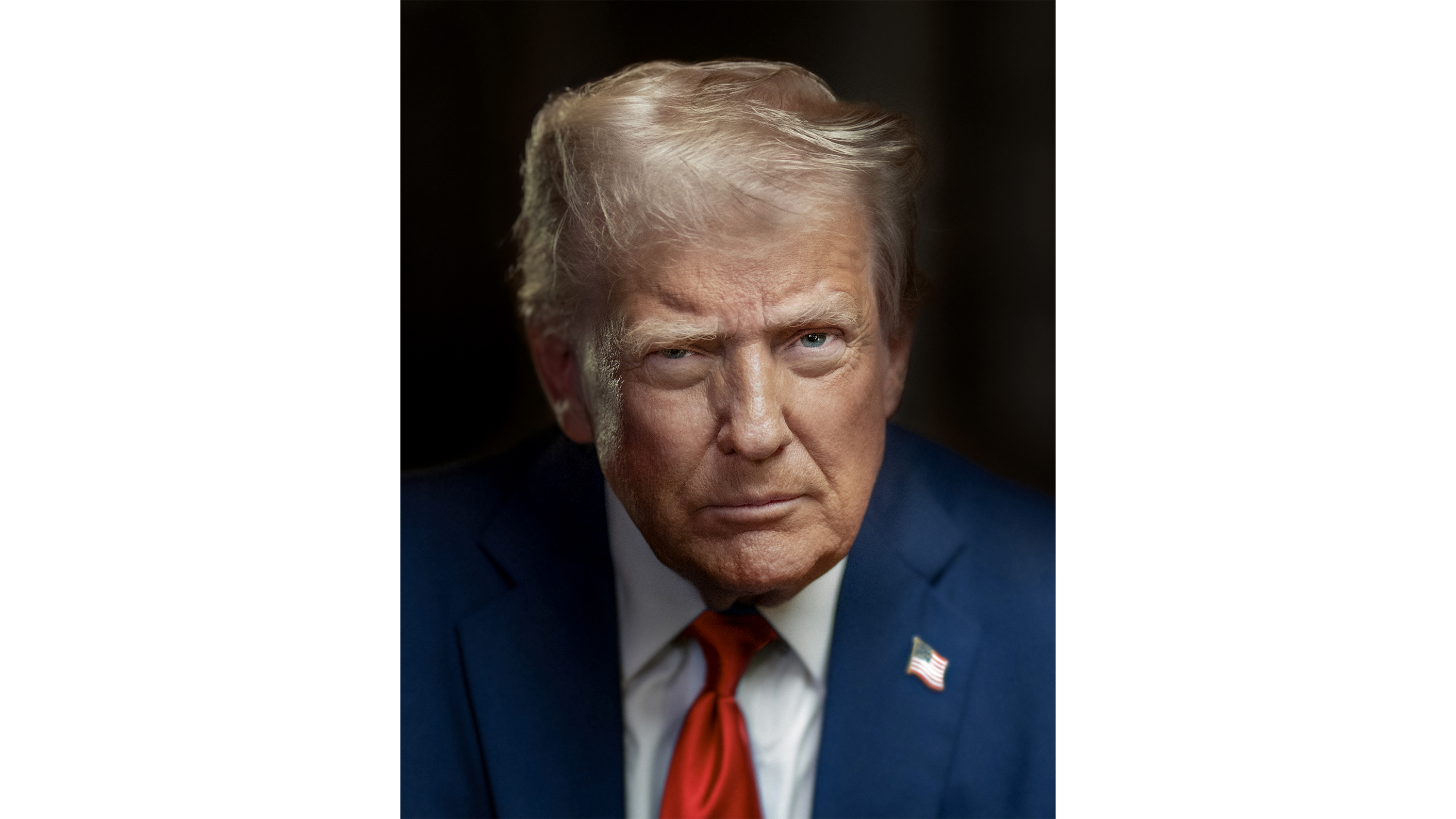
The address, spanning 25 minutes, coincided with the launch of a White House portal detailing declassified intelligence on election vulnerabilities. Beyond the China allegation, the administration highlighted potential digital tampering tools linked to Venezuela, a 2020 canvassing investigation in Michigan, and a Department of Homeland Security review identifying 278,000 non-citizen registrations nationwide. Trump used these claims to champion the SAVE Act, a legislative proposal requiring documentary proof of citizenship that has previously stalled in the Senate.
Contradictions emerged almost immediately. Intelligence assessments conducted after the 2020 election found that while China accessed voter data to analyze public sentiment, there was no evidence of an attempt to alter vote counts or influence the final outcome. Cybersecurity analysts note that much of the voter information cited is publicly available online, complicating the narrative of an illicit breach. Beijing denied the accusations, maintaining that it does not interfere in American elections.
Political fallout followed predictable partisan lines. Democratic Congressman Joseph Morelle dismissed the claims as unfounded, while Senator Ed Markey called for impeachment proceedings, characterizing the rhetoric as a deliberate assault on public trust. With midterm elections approaching and Republican approval ratings under pressure, the speech serves as a strategic framework to pivot the national conversation toward election security and revisit the contested results of 2020 through the lens of national intelligence.




Comments (0)
No comments yet. Be the first!