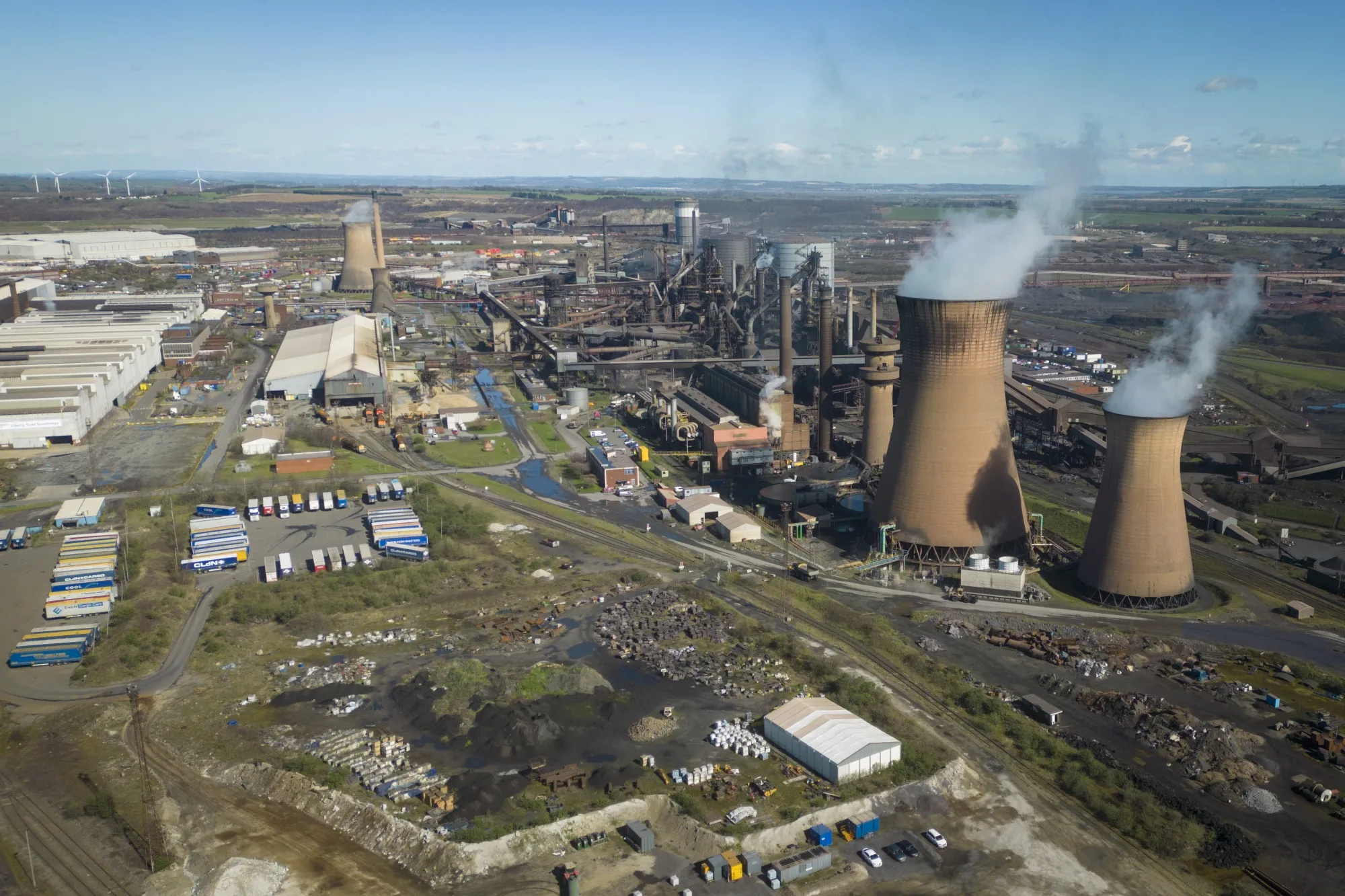
This nationalization marks a drastic shift in the government’s approach to domestic manufacturing, prioritizing the survival of essential infrastructure over private ownership models. By stepping in, the state assumes responsibility for the complex supply chain and production assets previously managed by Jingye since the company’s acquisition. The decision reflects an urgent response to mounting economic pressures that risked pushing the firm into permanent closure.
Beyond the immediate preservation of jobs, the move signals a broader commitment to shielding critical industries from global market volatility. Policymakers have framed the action as a necessary defensive measure, ensuring the UK retains its capacity for steel production rather than relying on external entities that failed to maintain operational stability. The government now faces the challenge of managing these assets while integrating them into a new, state-backed economic framework.



Comments (0)
No comments yet. Be the first!