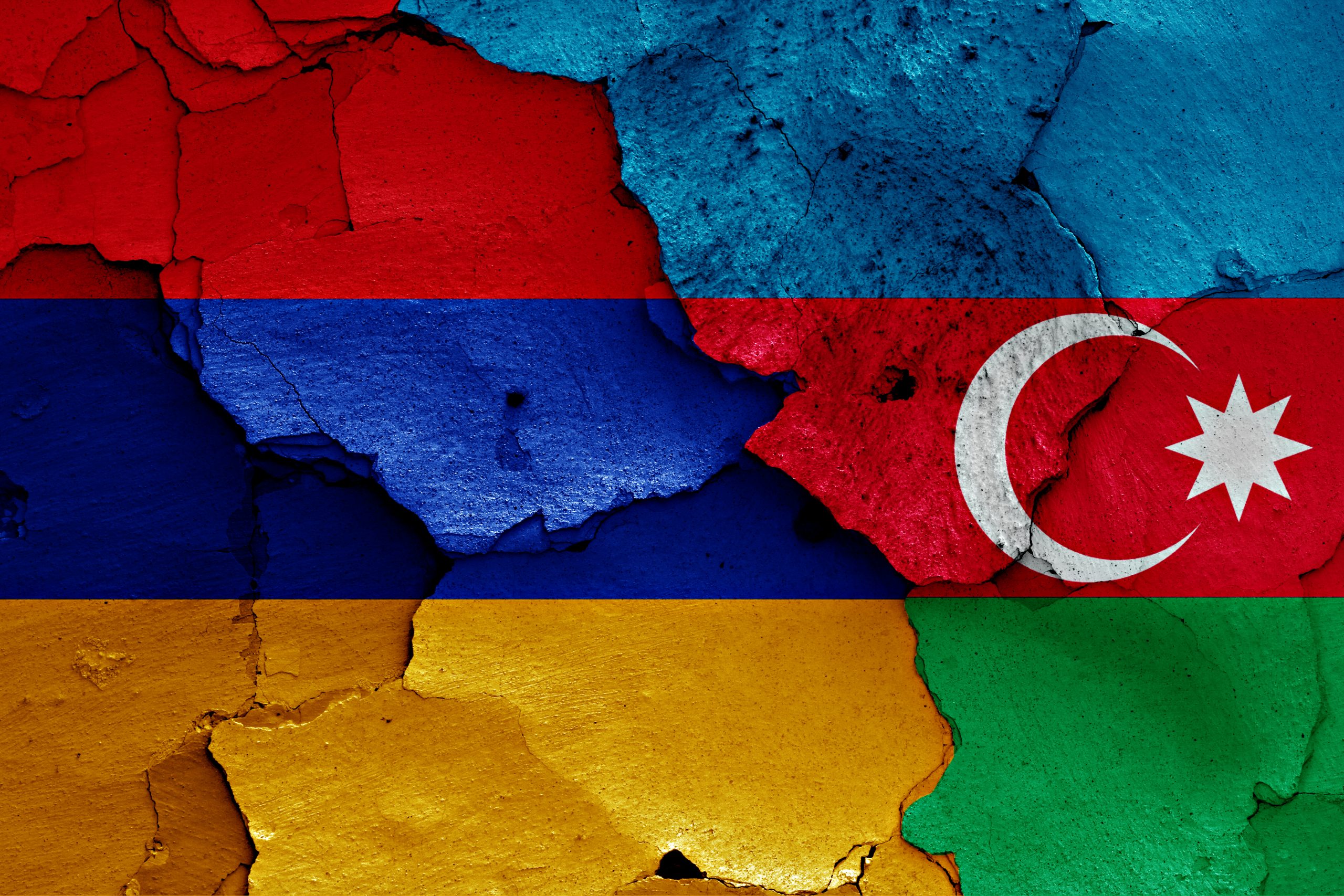
Hikmet Hajiyev, a senior foreign policy adviser to President Ilham Aliyev, stated that relations have improved significantly since the 2023 military operation that restored Baku's control over Nagorno-Karabakh. The current economic thaw, characterized by the supply of Azerbaijani oil products to Armenia, suggests a transition from active hostility to a functional, albeit fragile, peace. However, Baku maintains that the preamble of the Armenian constitution, which references the reunification of the two territories, must be legally excised before a final settlement can be signed.
Armenian Prime Minister Nikol Pashinyan has signaled an openness to constitutional reform, with a draft expected by year-end. Despite this, the political path forward is narrow. Pashinyan’s Civil Contract party lacks the parliamentary supermajority required to force a referendum, and opposition factions remain skeptical of the concession. Baku has explicitly rejected interim measures, clarifying that only formal legal changes will suffice to satisfy their diplomatic requirements.
Simultaneously, the development of the Trump Route for International Peace and Prosperity (TRIPP) serves as a critical test for regional cooperation. This transport corridor, intended to link Azerbaijan to its Nakhchivan exclave via Armenian soil, enjoys U.S. backing and aims to solidify trade routes between Central Asia and Europe. Hajiyev indicated that Washington has provided positive signals regarding a potential autumn start for construction, with Azerbaijani infrastructure slated for completion by late 2026. Ultimately, the shift from military confrontation to legal negotiation underscores the difficulty of formalizing a peace that relies as much on Armenia’s internal political consensus as it does on bilateral diplomacy.

Comments (0)
No comments yet. Be the first!