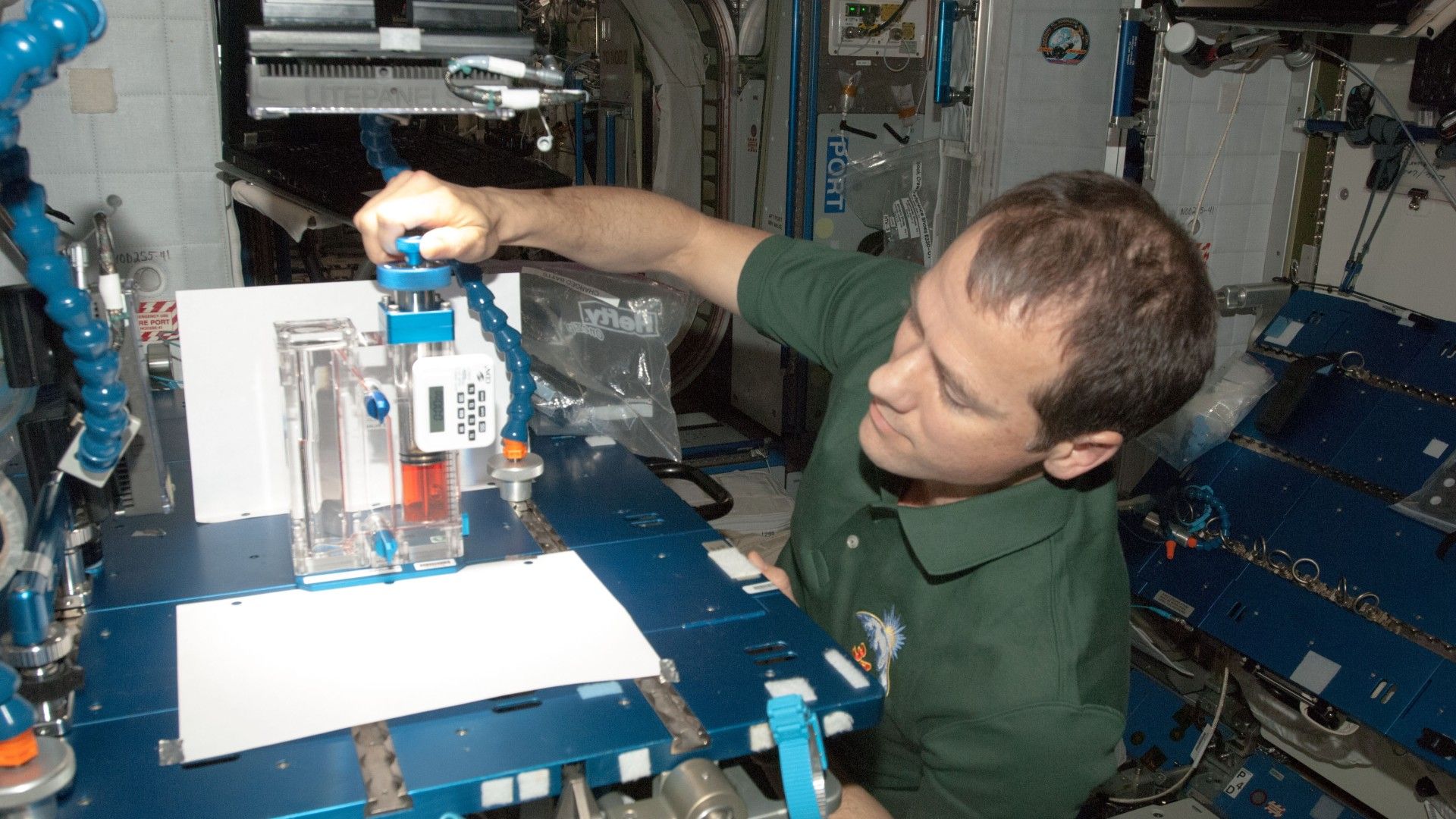
For over forty years, ultrasound remained the sole medical imaging tool available to astronauts. Its utility, however, is hampered by the need for extensive operator training and an inability to function outside pressurized environments. Researchers at the Mayo Clinic hypothesized that off-the-shelf portable X-ray systems—already common at sporting events and in remote regions—could bridge this diagnostic gap without the bulk or radiation risks associated with traditional hospital hardware.
During the 2025 SpaceX mission, three non-medical crew members performed the scans after only four hours of training. They successfully imaged a calibration phantom, a smartwatch, and various human body parts including the chest, abdomen, and pelvis. Post-flight analysis by three independent radiologists confirmed that the images met clinical diagnostic standards, with resolution and contrast holding up despite the challenges of microgravity. According to lead researcher Sheyna Gifford, this success proves that complex medical diagnostics in orbit are no longer restricted to specialized personnel, a finding that could fundamentally alter health protocols for future deep-space exploration.




Comments (0)
No comments yet. Be the first!