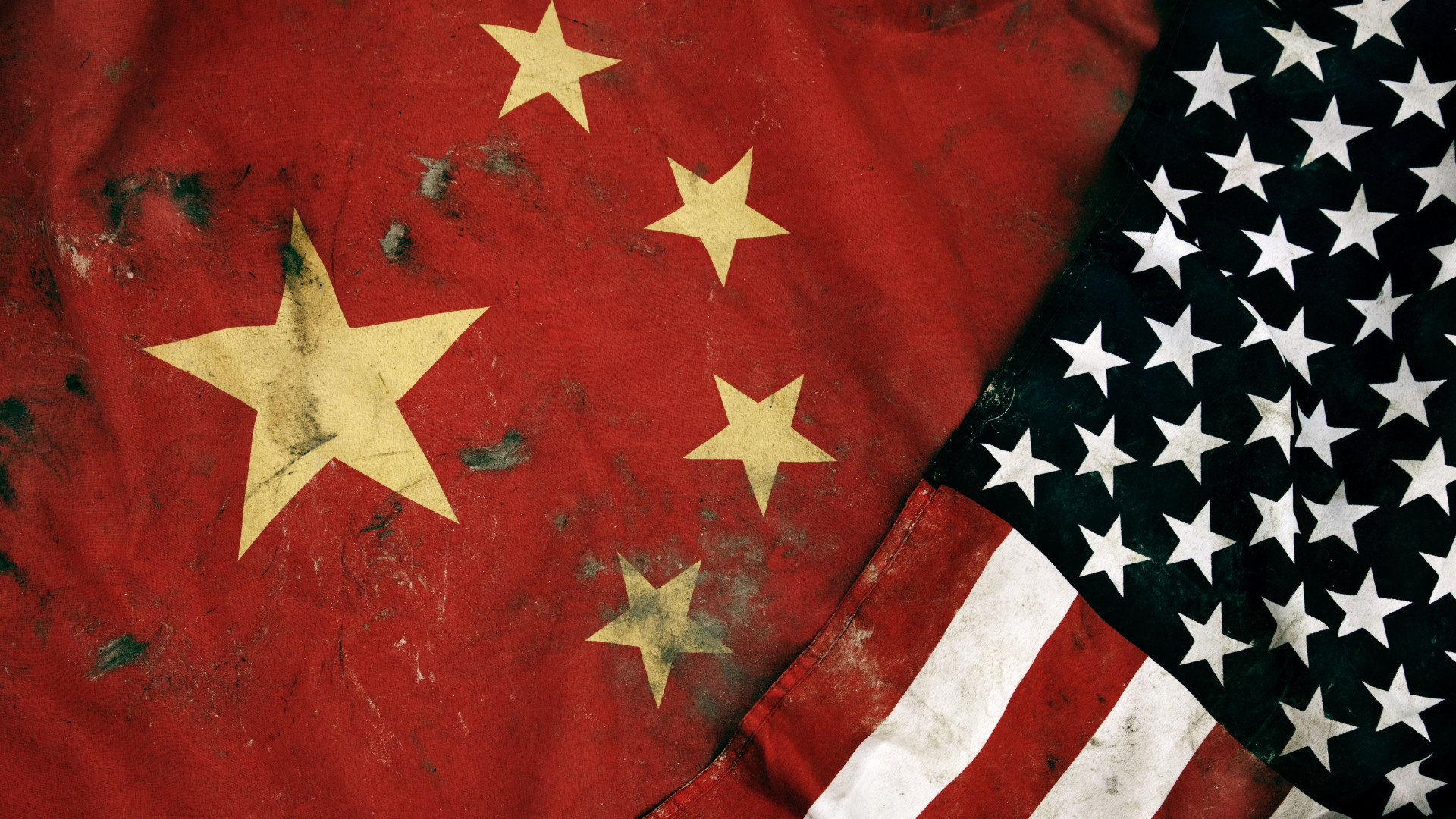
The scale of the American withdrawal is historic. In 2025, total OECD aid fell to $174.3 billion, down from $214.6 billion the previous year, as the Trump administration moved to freeze assistance and effectively shutter USAID. Africa bore the brunt of this contraction, with U.S. funding plummeting to $7.86 billion—a decade low. While the U.S. Congress authorized a $50 billion package in early 2026, it remains 16 percent below prior levels, leaving allies like Britain and France to also trim their own commitments in a trend experts describe as a managed decline.
Beijing’s Strategic Expansion
China is treating this fiscal retreat as a diplomatic opening, leveraging trade incentives and high-level engagement to solidify its influence. Starting May 1, 2026, Beijing eliminated tariffs on imports from 53 African nations, a move designed to deepen economic integration. This policy complements a broader infrastructure push: Chinese state-backed loans are fueling technological expansion through firms like Huawei and Alibaba, creating long-term dependencies in emerging markets. Xi Jinping’s diplomatic calendar reflects this shift, with a steady stream of global leaders visiting Beijing to recalibrate trade ties in the shadow of American protectionism.
Beijing’s ambitions are codified in the 15th Five-Year Plan, which prioritizes the Global South as the bedrock for China’s goal of doubling its economy by 2035. Through the Global Governance Initiative, China is actively seeking to reshape international institutions to favor its own development model. However, the transition is not seamless. Structural trade imbalances—marked by China exporting high-value manufactured goods while importing raw commodities—continue to generate friction. Furthermore, India is emerging as a rival candidate for leadership in the Global South, setting the stage for a multipolar, contested order where China currently holds the momentum but faces significant hurdles in sustaining its expansive reach.


Comments (0)
No comments yet. Be the first!