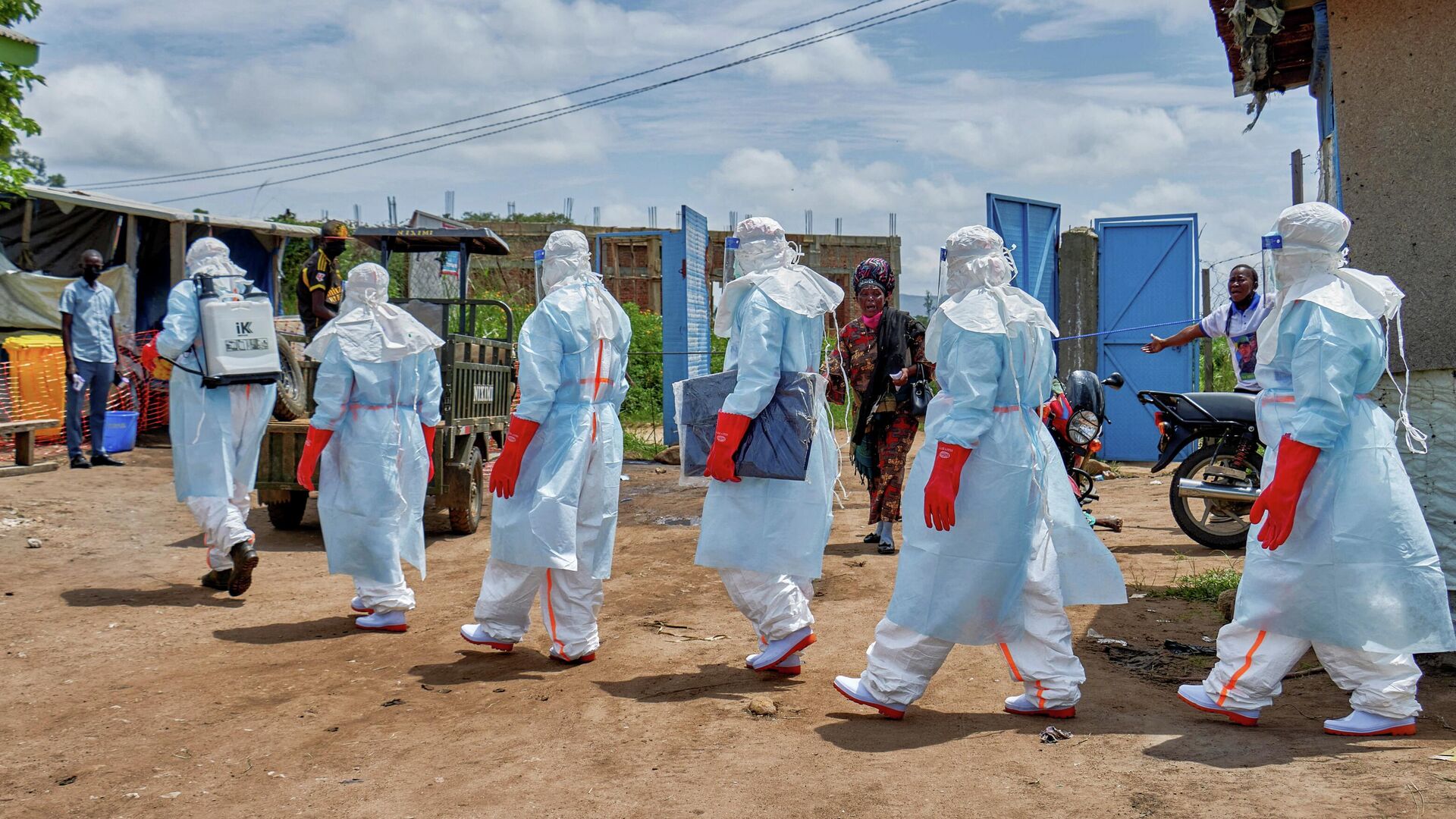
The outbreak has already claimed 702 lives from at least 1,926 confirmed infections, yet officials believe these figures represent a significant undercount. Due to restricted access and surveillance gaps in conflict-affected regions, the true infection rate may be two to four times higher than current data suggests. Unlike previous epidemics, this specific strain lacks an approved vaccine or targeted treatment, forcing responders to rely entirely on isolation and supportive care.
Chikwe Ihekweazu, director of the WHO Health Emergencies Programme, described the situation as a marathon requiring sustained international commitment rather than sporadic intervention. As the virus spreads, the lack of resources threatens to dismantle contact tracing and early detection networks. This funding shortfall places immense pressure on a fragile healthcare system already strained by regional instability and displacement, creating a high risk of cross-border transmission if the response continues to weaken.


Comments (0)
No comments yet. Be the first!