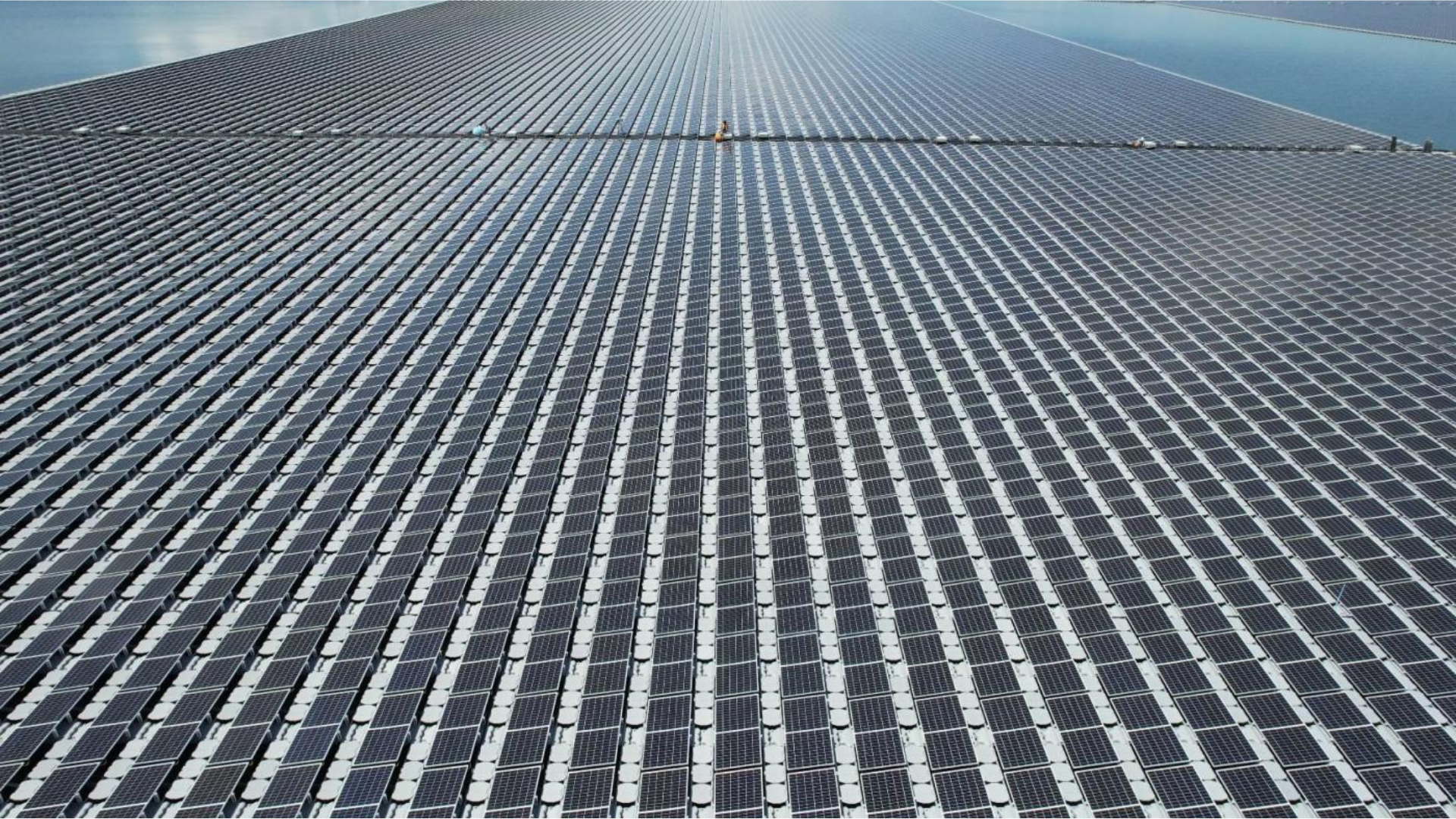
The Low Carbon Cities and Carbon Market Development Project removes the burden of initial capital expenditure for public organizations. Under this arrangement, private energy service firms manage equipment upgrades—such as rooftop solar installations and streetlighting efficiency—while agencies settle the costs through long-term service agreements. According to Melinda Good, the World Bank’s division director for Thailand and Myanmar, the program transforms scattered initiatives into a unified pipeline capable of drawing significant private investment.
Implementation is projected to generate 1,800 job-years in sectors ranging from digital carbon monitoring to installation and maintenance. The Export-Import Bank of Thailand will supply the necessary credit to service providers, while Krungthai Bank will manage the aggregation of carbon credits. This secondary revenue stream is designed to sustain long-term reinvestment, targeting an annual output of 180 megawatts of new capacity and 448 gigawatt-hours in energy savings.
Broad institutional support underpins the effort, involving entities like the Public Debt Management Office and the Department of Climate Change and Environment. Beyond immediate infrastructure upgrades for schools and industrial estates, the initiative serves as a structural proof-of-concept for Thailand’s net-zero roadmap. The model is positioned to showcase the integration of public policy and private carbon markets ahead of the IMF-World Bank Group Annual Meetings, which will take place in Bangkok in October 2026.



Comments (0)
No comments yet. Be the first!