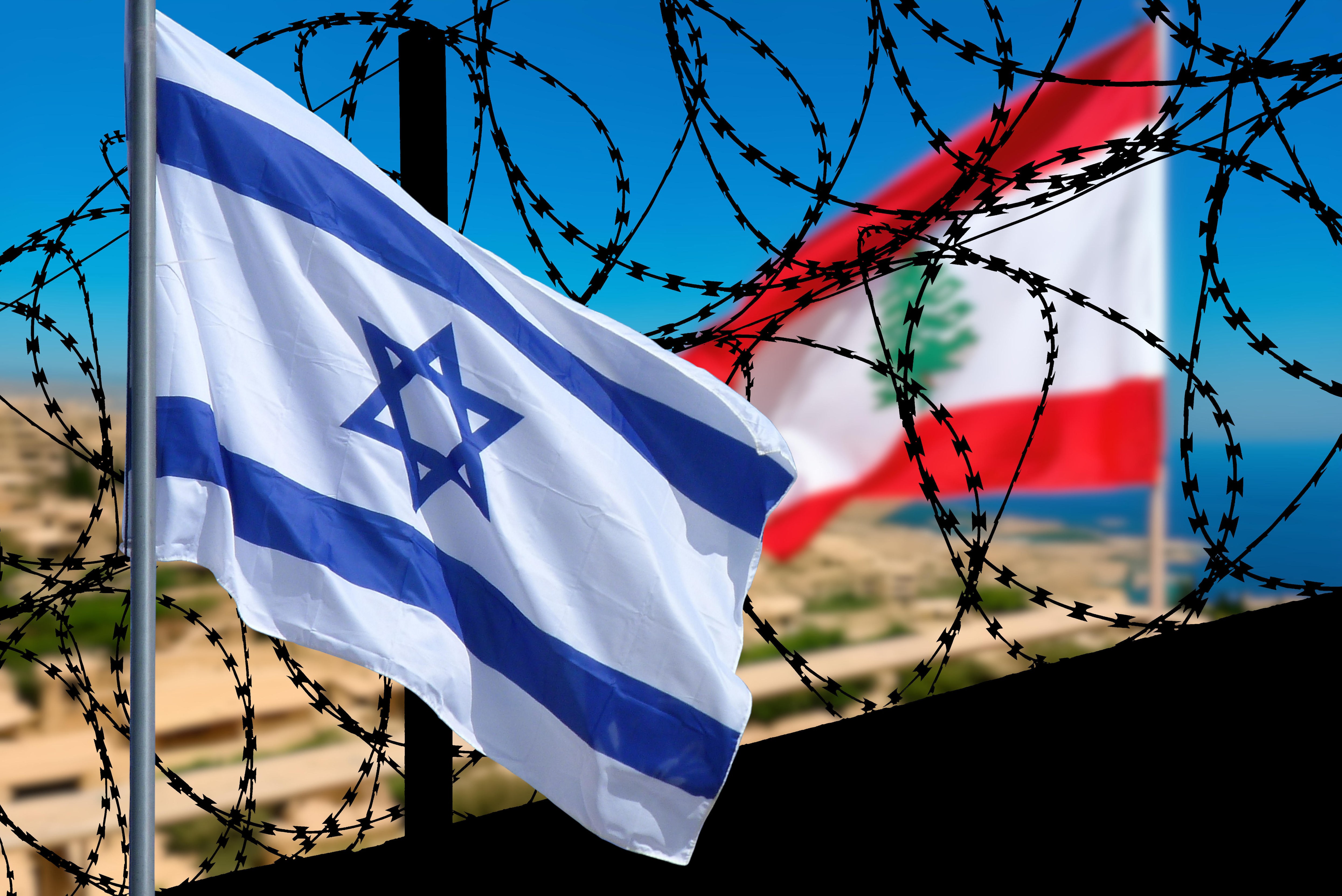
The two-day session focuses on the June 26 Washington agreement, which mandates an end to combat, the withdrawal of Israeli troops, and the deployment of the Lebanese Army into the southern region. Lebanon’s president, Joseph Aoun, is pushing a phased proposal that would see Israeli forces exit designated sectors in exchange for a documented transition to local military control. This plan aligns with a U.S.-backed "pilot zone" concept, requiring Hezbollah to vacate specific areas before any formal handover occurs.
Deep systemic obstacles remain, as Israel maintains its military presence is non-negotiable until Hezbollah is effectively disarmed. Conversely, the militant group rejects the framework entirely, viewing its arsenal as a necessary defense and linking any potential settlement to broader regional negotiations involving Iran. The urgency of the talks is underscored by the human toll of the conflict; Lebanese officials report that over 4,000 people have died and one million have been displaced since March, while Israel has lost 32 soldiers and four civilians to border-related violence. While Italian Foreign Minister Antonio Tajani framed the meeting as a step toward regional stability, the continued exchange of fire suggests that the path to a sustainable ceasefire remains fragile.


Comments (0)
No comments yet. Be the first!