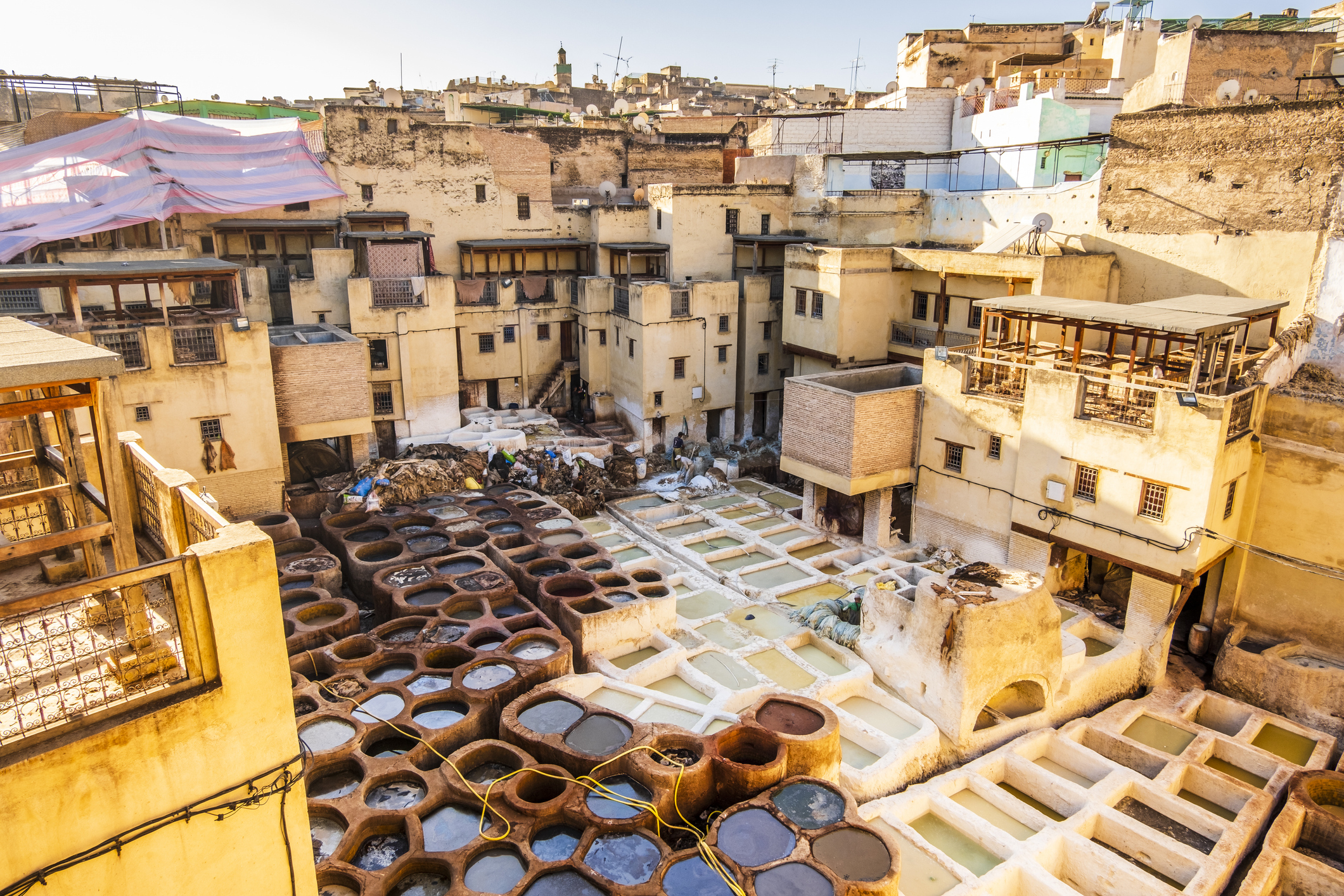
The Kingdom’s rise as an industrial powerhouse is built on a foundation of modern infrastructure—most notably the Tanger Med port—and a deliberate policy of economic diversification. By inviting investment from China, Japan, and the Arab Gulf States, Rabat has successfully diluted its historical reliance on the European Union. Regions such as Tangier and Kénitra now serve as the front lines of this transformation, hosting factories that integrate Morocco into the global supply chains for battery raw materials and smart industrial components.
Brussels faces a mounting dilemma. While European corporations remain deeply entrenched in Moroccan manufacturing, officials are increasingly wary that Chinese-backed production could bypass European trade barriers. The EU is expected to tighten rules regarding product origins to prevent the circumvention of tariffs on Chinese imports. Despite this, Morocco continues to hold a competitive edge through its political stability, free trade agreements, and an increasingly skilled labor force.
Ultimately, Rabat’s success hinges on its ability to transcend the role of a mere assembly point. By leveraging the competition between Beijing and Brussels, Morocco aims to secure technology transfers and domestic innovation. The challenge for the Kingdom remains maintaining its neutral diplomatic posture, ensuring it functions as a critical bridge between continents rather than a theater for geopolitical rivalry.


Comments (0)
No comments yet. Be the first!