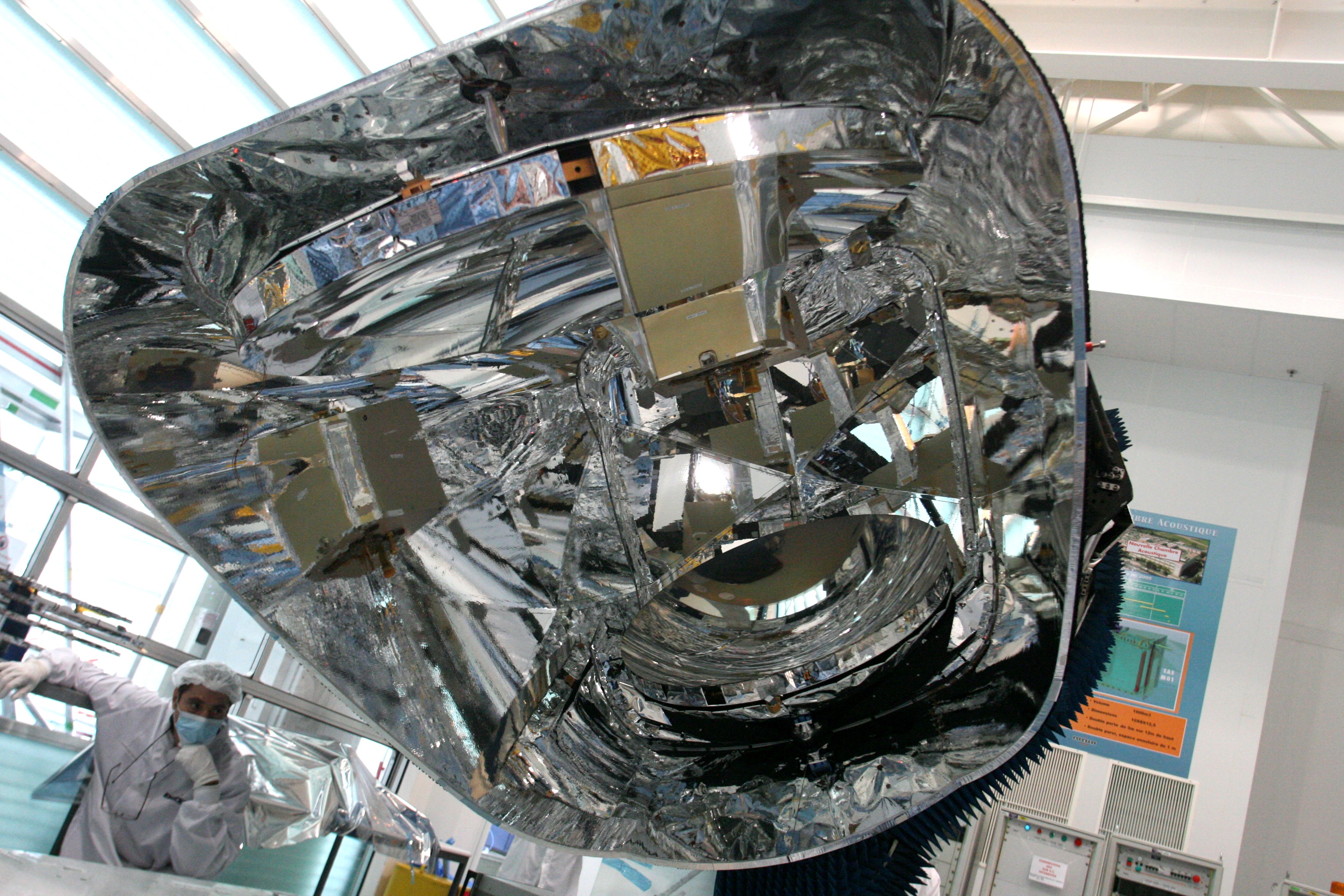
The company envisions the satellite as a precursor to a massive constellation of 50,000 reflectors by 2035. Proponents suggest the system could provide emergency lighting, support agriculture, and extend daylight hours for solar energy farms. The mirror is designed to cast a beam five kilometers wide, reaching intensities up to four times brighter than a full Moon. Because the satellite moves rapidly, the beam must be repointed every four minutes to maintain its target on the ground.
Astronomers and environmentalists argue the project poses significant risks, including potential eye damage for telescope users, visual distraction for pilots, and severe disruption to nocturnal ecosystems. Samantha Lawler, an astronomer at the University of Regina, described the prospect of altered night skies as terrifying, while others warned that the reflection could render ground-based telescopes ineffective by corrupting up to 30% of image data. The FCC dismissed these concerns, stating they fall outside its mandate regarding radiofrequency spectrum authorization. The agency maintained that such environmental harms remain speculative, prioritizing the mandate to encourage new public technologies under the Communications Act.




Comments (0)
No comments yet. Be the first!