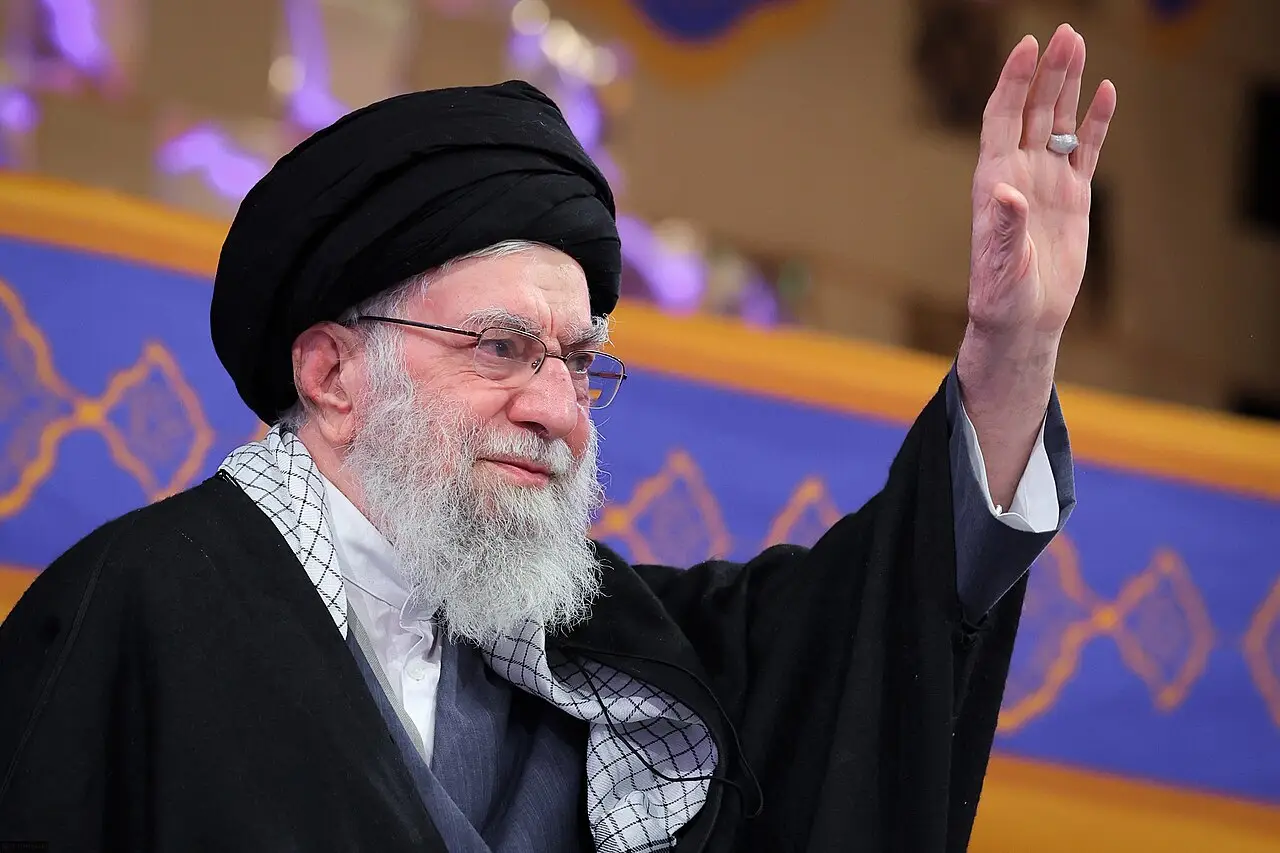
The burial, held in the late leader’s hometown, serves as the final act of a mourning period designed to project the ideological resilience of the Islamic Republic. Despite the massive crowds, the transition of power remains shrouded in uncertainty. Mojtaba Khamenei, who was proclaimed successor by a clerical assembly in early March, has not appeared in public or released any audio or visual confirmation of his condition since the February 28 strike that killed his father. Senior sources in Tehran suggest the younger Khamenei sustained severe injuries during the attack and remains under tight security, fueling speculation about the stability of his leadership within a nation already strained by internal dissent and economic pressure.
While the state continues to emphasize the late leader’s legacy and the concept of martyrdom, the reality of Iran’s political climate is increasingly defined by the influence of the Islamic Revolutionary Guard Corps. The Guards, who backed Mojtaba’s appointment, have consolidated power over decades, often marginalizing elected government bodies. As the nation pivots to this new, untested leadership, the regime faces the dual challenge of managing a war-torn economy and the unresolved public anger that sparked widespread protests prior to the conflict. For now, the focus remains on the shrine in Mashhad, where the burial of the man who ruled for 37 years marks the end of an era while leaving the future of the theocracy largely in the hands of a hidden successor.


Comments (0)
No comments yet. Be the first!