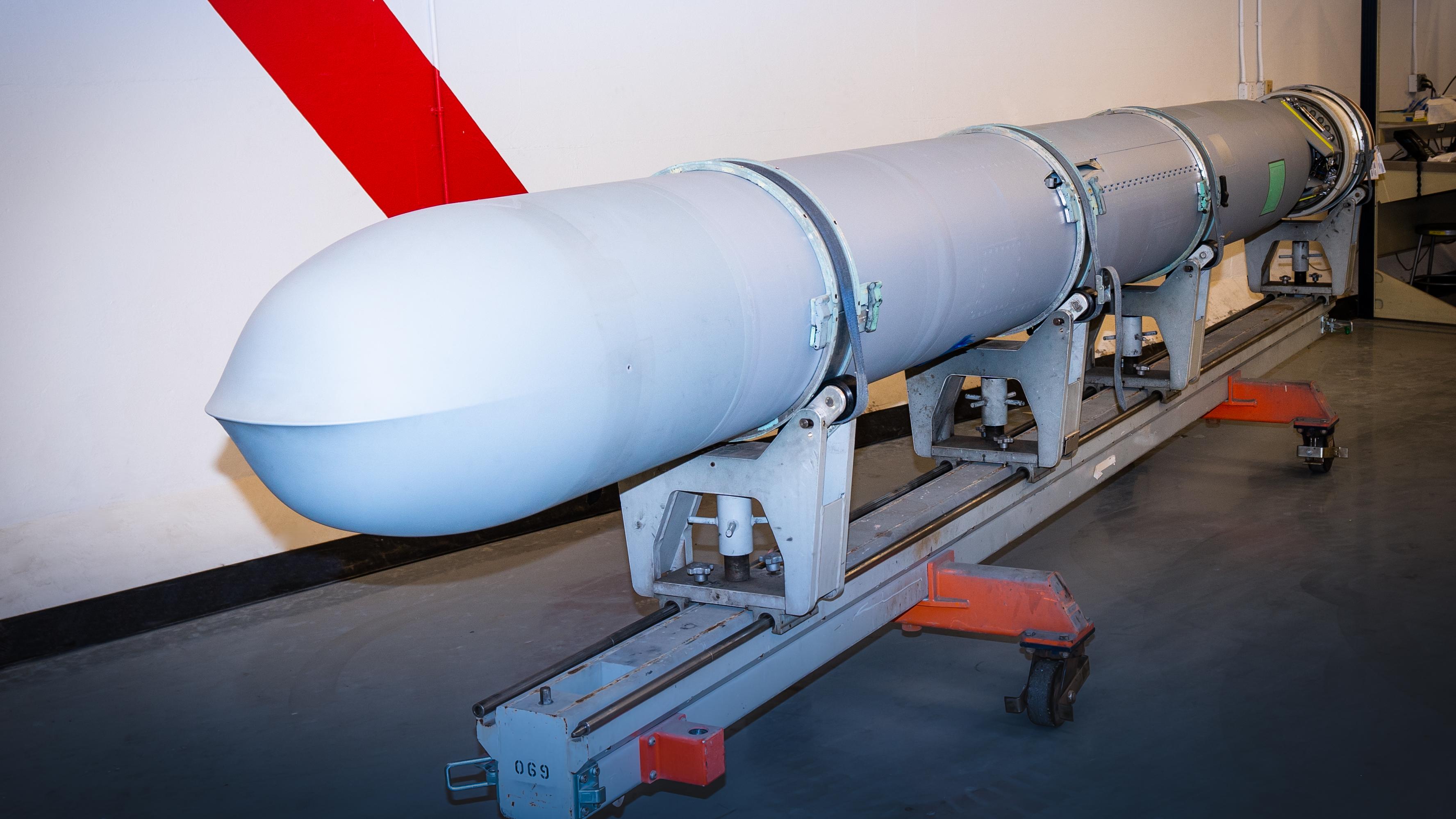
The procurement includes the missiles and ground-based Typhon launchers, with Washington having signaled its approval in an August letter of intent. While the exact quantity of the order remains classified, the move aligns with President Donald Trump’s broader demand for European allies to finance their own security through the direct purchase of U.S. hardware. This acquisition addresses a vulnerability highlighted by the limited reach of Germany's domestic Taurus cruise missiles, which currently cover roughly 500 kilometers—a fraction of the Tomahawk's operational range.
Merz framed the deal as a dual-track strategy: bolstering immediate deterrent capabilities against Russia while simultaneously investing in the development of independent European systems. The decision follows months of uncertainty regarding U.S. military presence in Germany, effectively ending reliance on the previous administration's proposed interim deployment of a U.S.-led missile battalion. By transitioning to direct ownership of these long-range assets, Berlin aims to solidify its defense posture without depending on the fluctuating timelines of foreign troop rotations.


Comments (0)
No comments yet. Be the first!