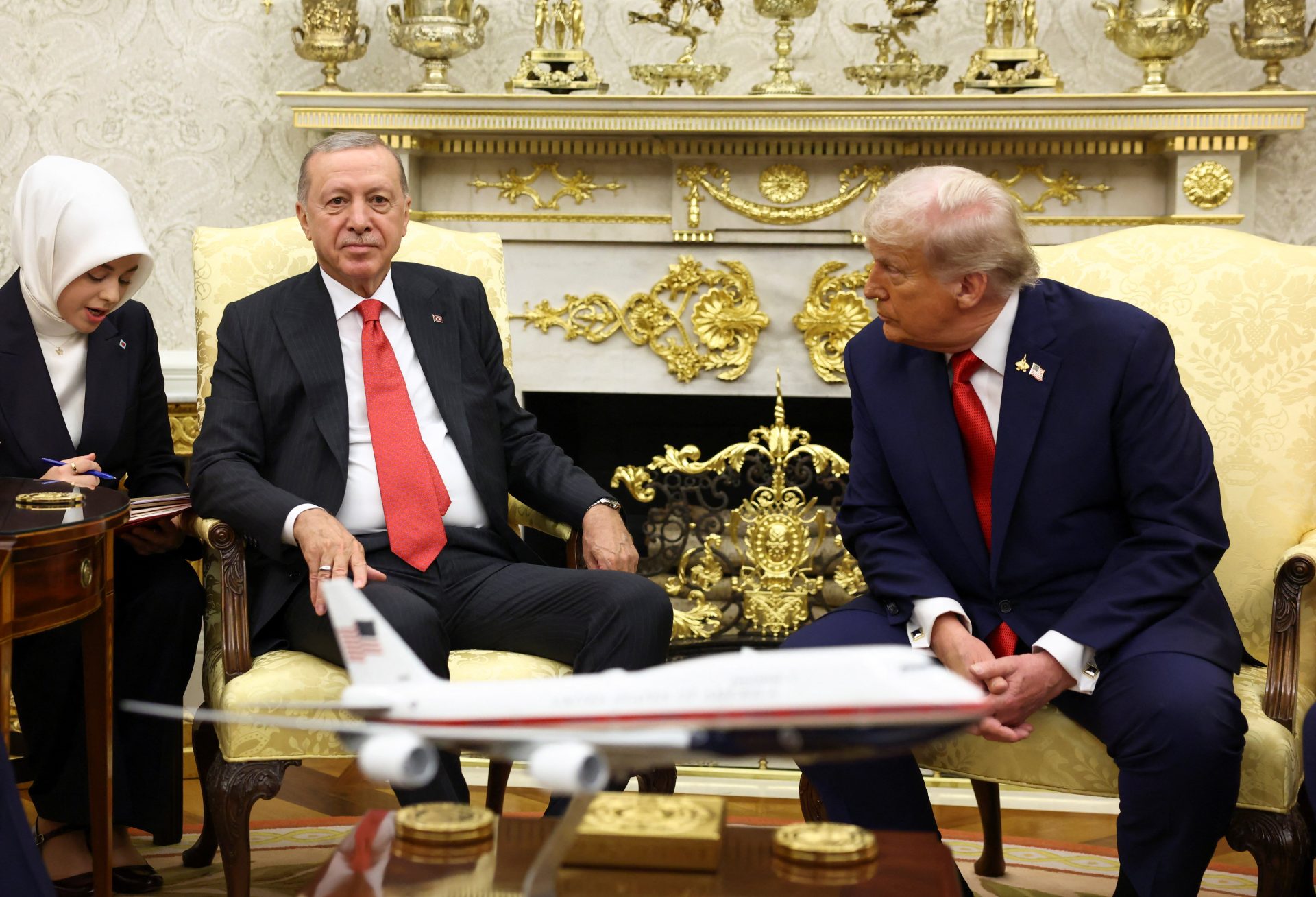
The summit underscored a stark shift in alliance priorities. Trump’s public embrace of the Turkish president contrasted with his aggressive posturing toward other NATO members, including threats to halt trade with Spain. For Erdogan, the visit served as a potent validation of Turkey’s strategic utility, moving beyond the democratic and human rights critiques that dominated previous years of bilateral discourse. By hosting a U.S. president who openly questioned the value of the alliance, Erdogan secured a rare diplomatic victory that bolstered his standing both domestically and within NATO.
However, the gap between political rhetoric and policy implementation remains wide. While Trump expressed a willingness to lift sanctions and reconsider the F-35 deal, he faces significant resistance from U.S. lawmakers who remain staunchly opposed to Turkey retaining the Russian S-400 system. Furthermore, Moscow holds contractual leverage over the missile purchase that could complicate any Turkish pivot toward Western hardware. While the summit marked a high-profile thaw in relations, the long-term success of this reset depends on whether the administration can navigate the legislative and geopolitical entanglements that have defined the impasse since 2019.

Comments (0)
No comments yet. Be the first!