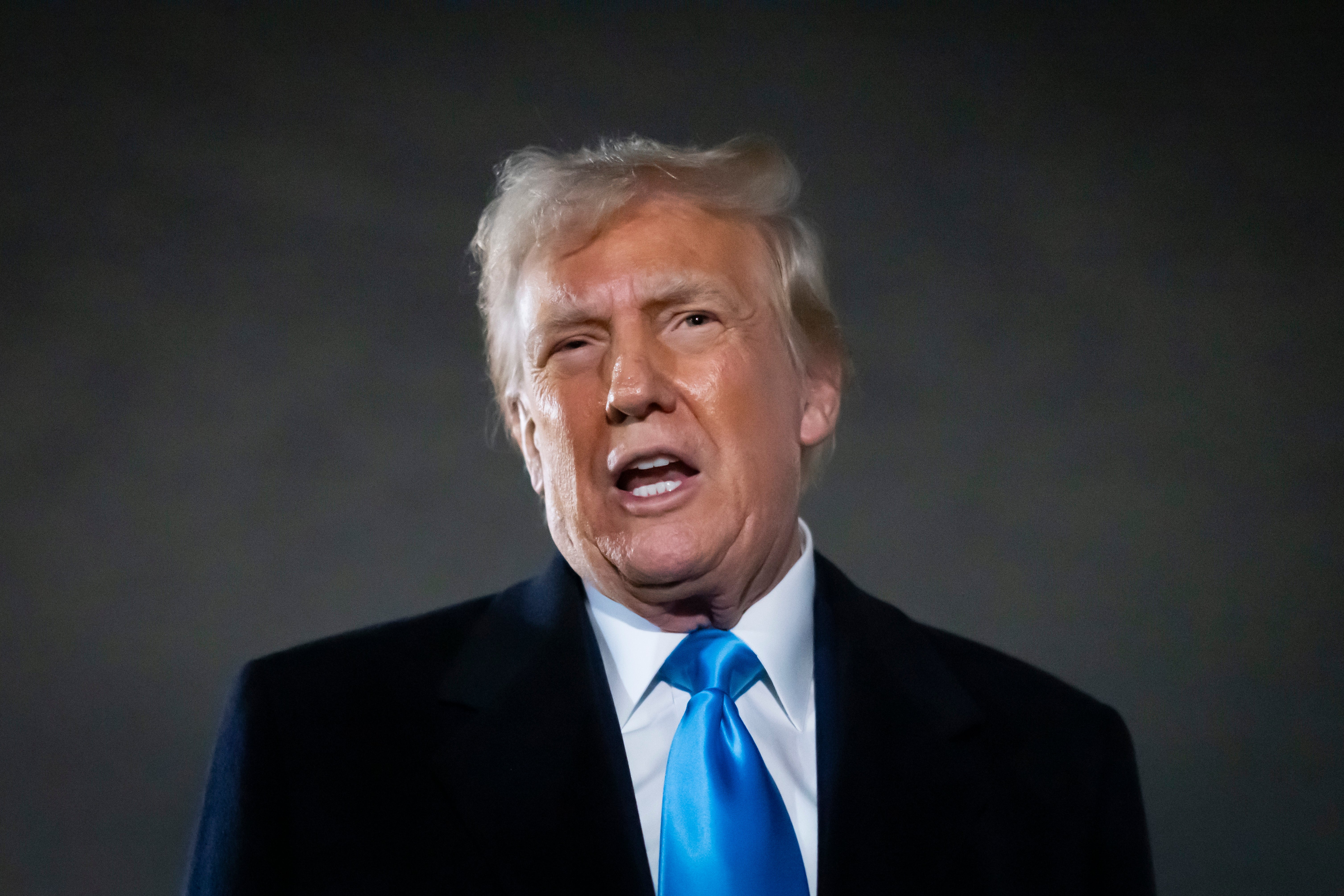
The former president’s tariff strategy, specifically targeting copper and aluminum imports, has disrupted established commodity flows. These interventions, coupled with escalating tensions in the Middle East, have created a climate of persistent market volatility. The friction involving the Strait of Hormuz remains a focal point for analysts, as any disruption to this transit route threatens to exacerbate existing energy security concerns and drive up crude prices.
Beyond the immediate price swings, the broader impact of this policy shift lies in its unpredictability. Efforts to secure mineral supply chains outside of China mark a significant departure from previous trade norms, yet these gains often come at the expense of global economic stability. The resulting inflationary pressure serves as a reminder that aggressive protectionism frequently carries unintended consequences for both domestic markets and international trade partners.



Comments (0)
No comments yet. Be the first!