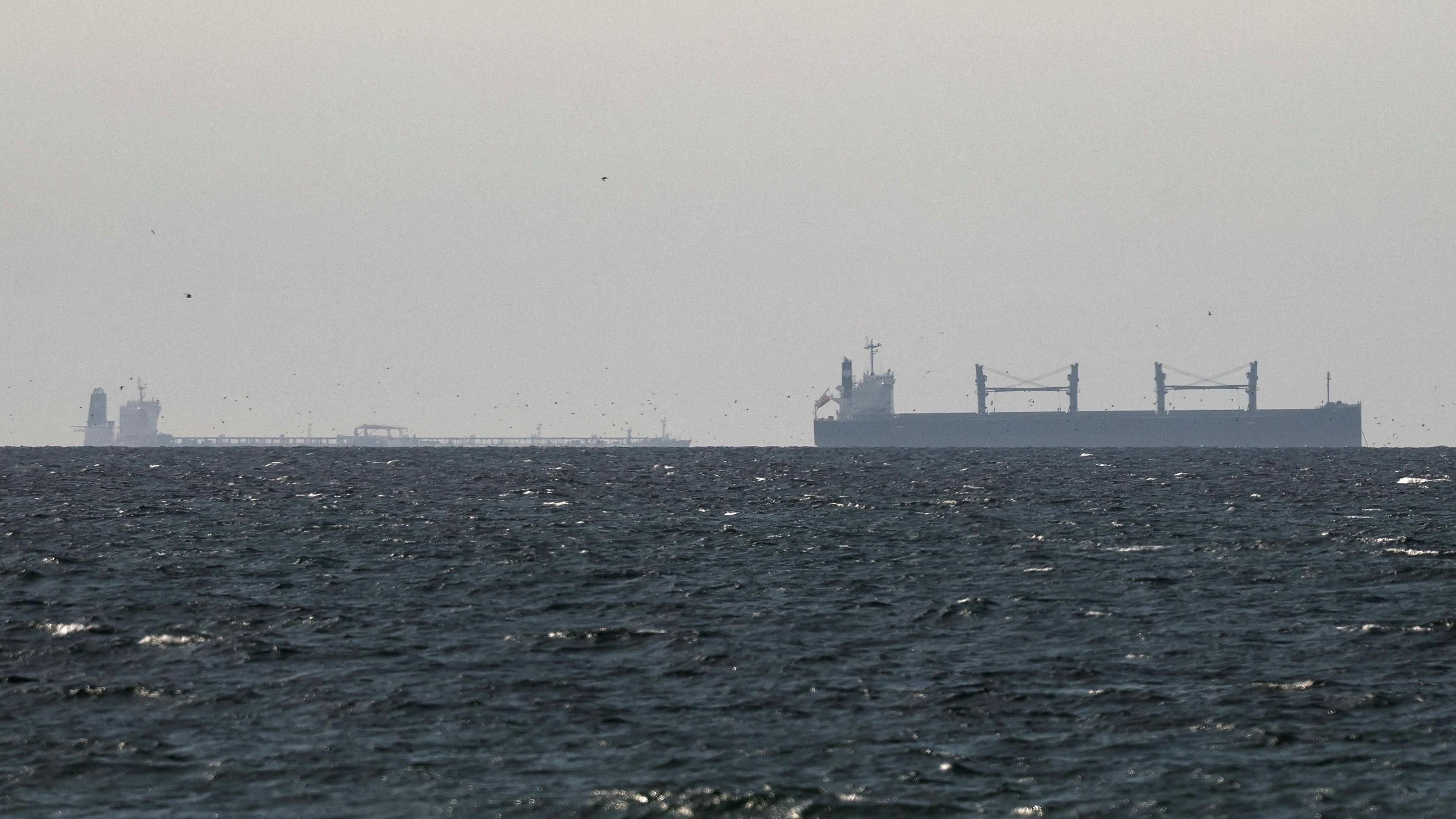
The return of oil flow to global markets creates a new paradox: the risk of an oversupply. With the International Energy Agency projecting a 1-million-barrel drop in daily global demand for 2026, the market faces a potential glut. This is compounded by China’s recent pivot toward Russian oil, leaving a significant void in the demand that once stabilized Middle Eastern exports.
Security remains a primary concern as the interim agreement faces immediate tests. Iran continues to demand tolls for passage, defying the pact’s terms, while the ongoing friction between Israel and Hezbollah remains conspicuously absent from the negotiations. Furthermore, the Islamic Revolutionary Guard Corps continues to restrict the movement of previously seized vessels, creating a bottleneck that keeps shipping insurance premiums high and deters full-scale logistical recovery.
For Tehran, the blockade proved to be a potent tool for extracting sanctions relief and international concessions, establishing a precedent that may invite future weaponization of the waterway. Conversely, the crisis has accelerated a global shift toward energy self-sufficiency. The European Union’s €660 billion AccelerateEU plan and aggressive nuclear and renewable investments in Japan and South Korea signal that major economies are no longer willing to remain tethered to the volatility of the Strait. As the 60-day window for a permanent peace deal ticks down, the global economy remains caught between the hope of stabilization and the reality of a weaponized energy landscape.


Comments (0)
No comments yet. Be the first!