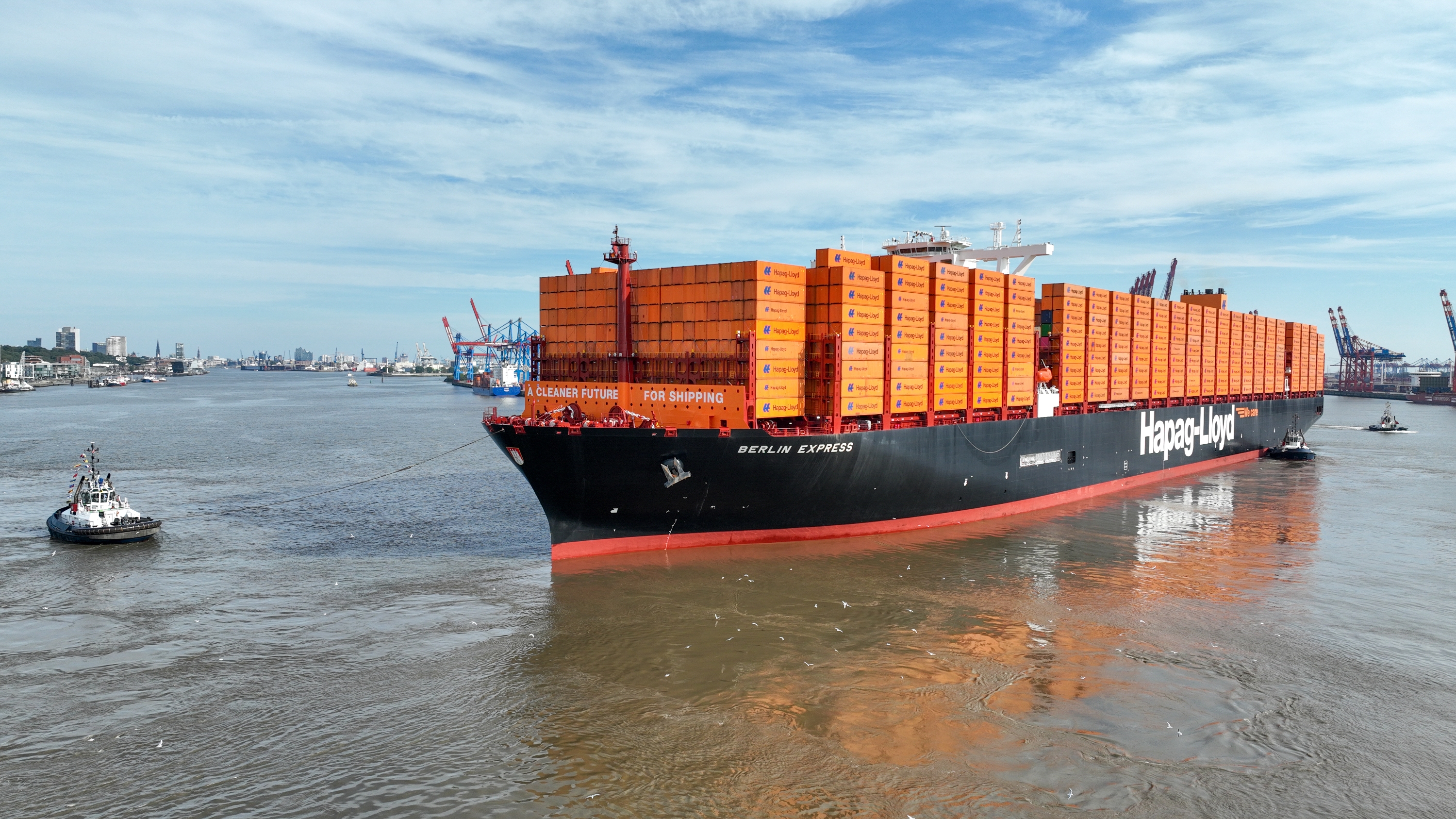
The German Institute for Economic Research anticipates this shift as the U.S. prepares to implement levies in November. Because German shipping fleets rely less on Chinese-built vessels than many of their global competitors, they occupy a unique position to absorb the trade vacuum left by restricted Chinese logistics.
However, the strategy carries internal risks for the American market. DIW economist Sonali Chowdhry warned that the fees increase input costs for domestic manufacturers, which may stifle local competitiveness and dampen overall demand for foreign goods. While Germany may find a temporary advantage, the broader impact for other EU nations—specifically Finland, Denmark, and Poland—could be severe, with the study forecasting significant export declines for these countries as the tariff ripple effect spreads through global supply chains.



Comments (0)
No comments yet. Be the first!