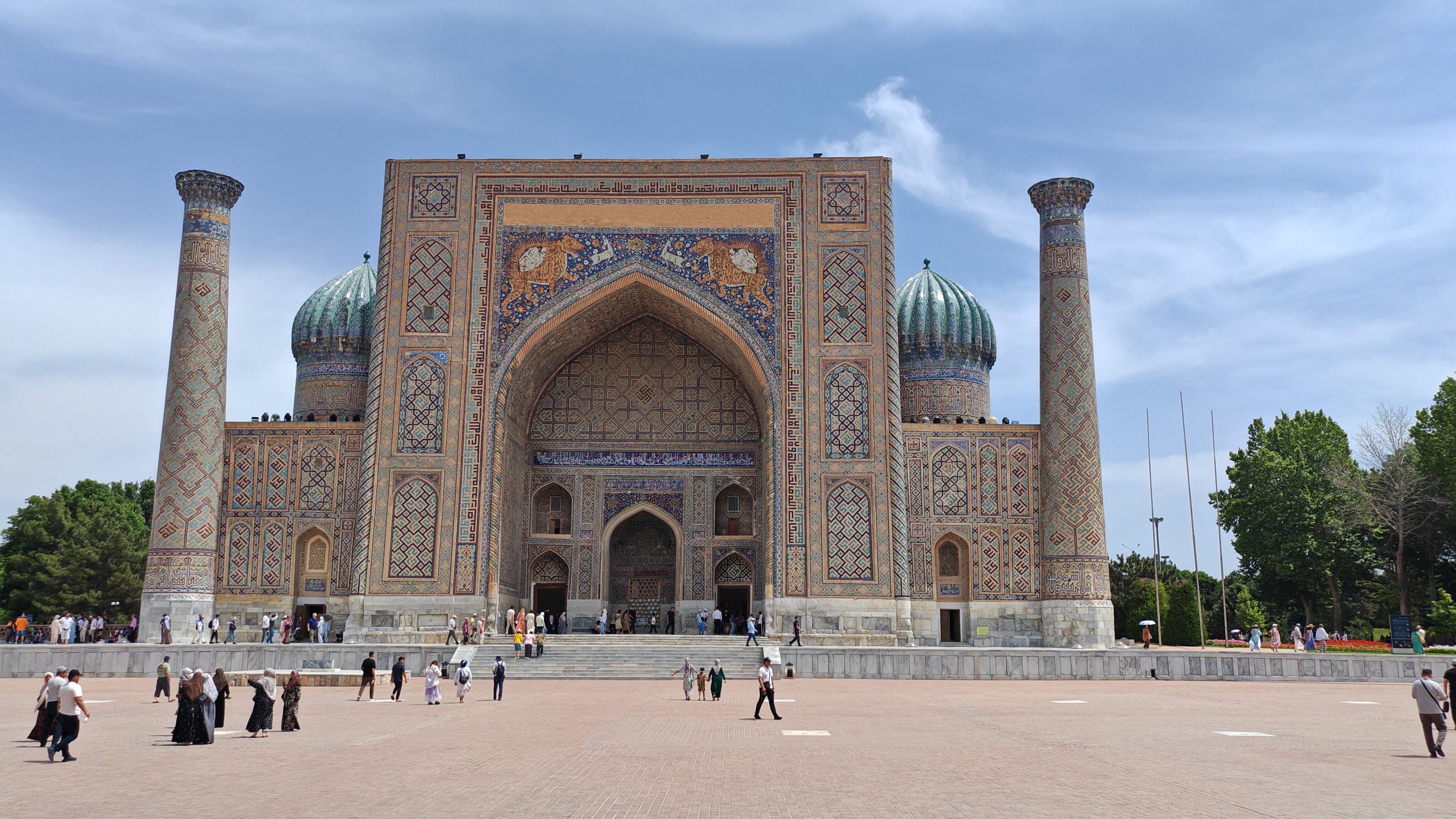
The "easier phase" of reform, which began in 2017 to improve the general investment climate, has reached its limit. To sustain growth, the government must now confront granular obstacles such as land constraints, skill shortages, and infrastructure gaps that currently stifle private capital. The World Bank identifies tourism as the primary engine, estimating it could pull in between $3.1 billion and $4.2 billion if land leasing rules and professional site management are modernized. This sector represents a critical platform for broad-based employment, spanning hospitality, transport, and artisanal services.
Logistics offers a different strategic leverage, specifically through road freight and warehousing. By digitizing international freight permits and streamlining construction approvals, Uzbekistan aims to convert its geography into a competitive trade hub. Success here hinges on administrative discipline; the report emphasizes that digital systems serve as a catalyst only if they effectively reduce bureaucratic discretion. Finally, the pharmaceutical sector, while smaller in investment volume, requires a sophisticated regulatory overhaul. Aligning local manufacturing with international Good Manufacturing Practice standards is essential to building the market trust needed to turn the country into a regional supplier. Across all three sectors, the transition from potential to reality depends on whether the state can move from being a gatekeeper to an enabler of private enterprise.


Comments (0)
No comments yet. Be the first!