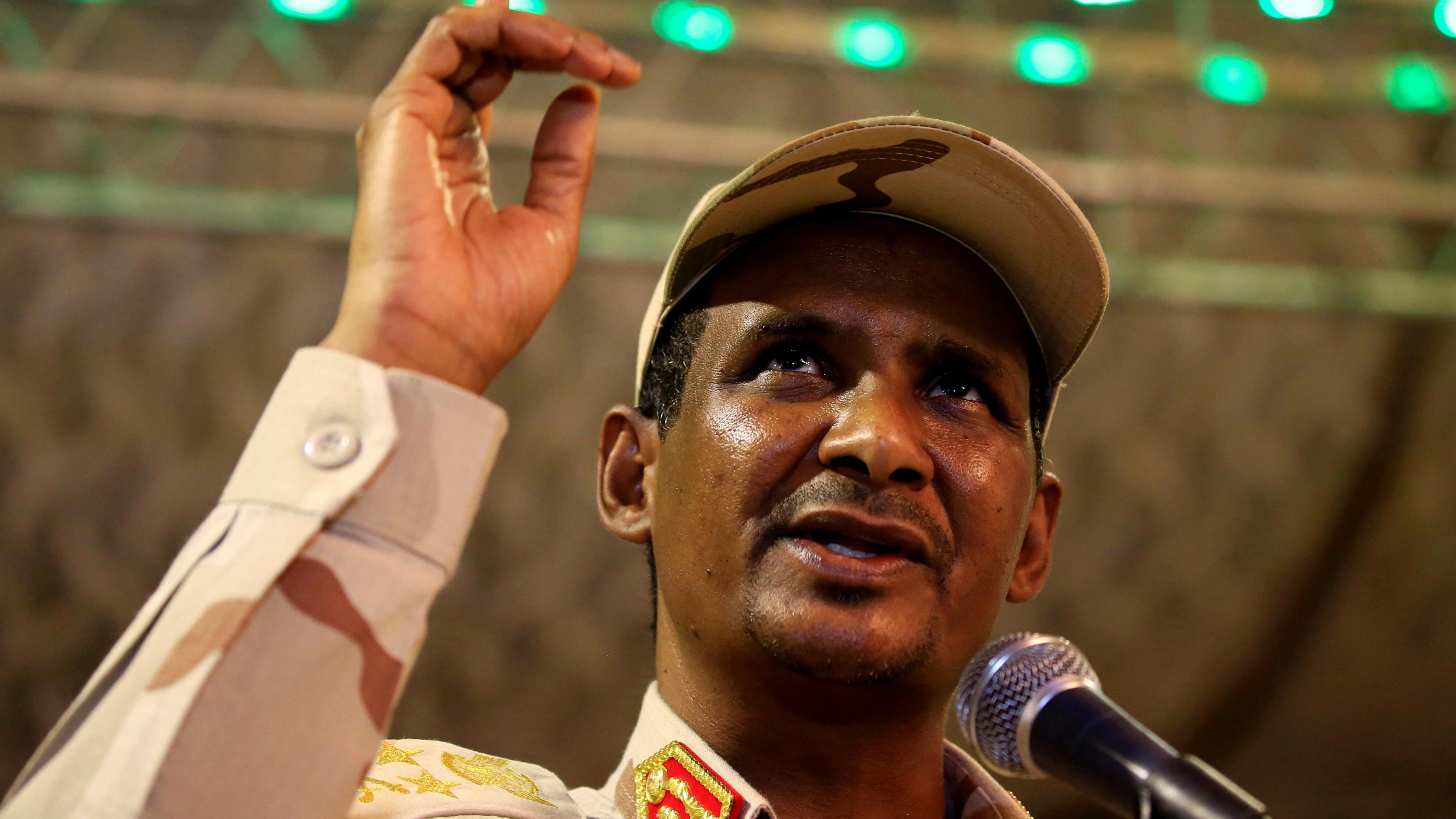
Britain spearheaded the motion, drawing direct parallels between the current siege of al-Obeid and the devastating takeover of al-Fashir last year. Ambassador Eleanor Sanders warned the council that the horrors witnessed previously must not be repeated, a sentiment echoed by South Africa’s envoy, Zaheer Laher, who described the RSF’s tactics as a carbon copy of their established genocidal playbook. While the Rapid Support Forces have consistently dismissed such reports as fabricated, U.N. humanitarian chief Tom Fletcher has opened direct channels with RSF head Mohamed Hamdan Dagalo to demand safe civilian passage and an end to indiscriminate drone strikes.
Despite the consensus adoption of the resolution, the diplomatic response remains fractured. China distanced itself from the inquiry, objecting to investigations that lack the host country's formal backing. Meanwhile, advocacy groups like DefendDefenders criticized the council for failing to explicitly condemn the United Arab Emirates, which faces persistent, credible allegations from U.N. experts and U.S. lawmakers of providing military support to the RSF. The UAE continues to deny these claims, even as the humanitarian situation in al-Obeid reaches what U.N. officials describe as a breaking point.



Comments (0)
No comments yet. Be the first!