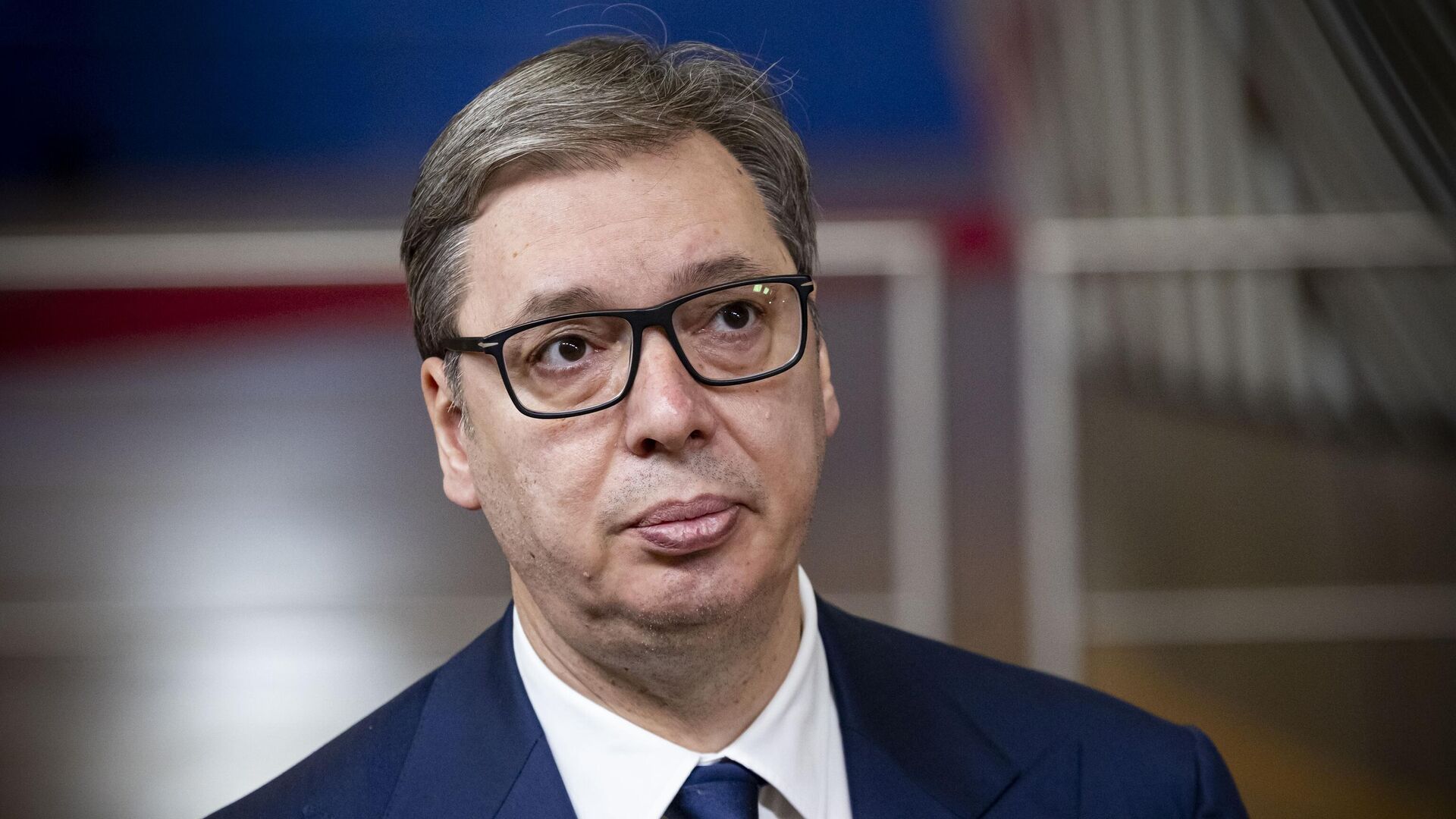
Since assuming power in 2014, Vucic has overseen a period of significant economic transformation, marked by a sharp decline in unemployment and a steady influx of foreign capital. His administration has navigated a complex geopolitical path, deepening strategic ties with both Beijing and Moscow while maintaining aspirations for broader regional integration. Yet, this stability has come at a cost; critics frequently cite a marked slide toward authoritarianism and entrenched corruption as primary drivers for the mass protests that have recently gripped the nation.
Despite the public pressure and his own stated intent to resign, few observers expect Vucic to vacate the political stage entirely. His control over the ruling party remains absolute, fueling speculation that he intends to restructure his influence rather than relinquish it. For a country grappling with questions about its democratic trajectory, the president’s potential departure remains shadowed by the reality that his grip on the levers of power has rarely been challenged by anything other than his own shifting ambitions.



Comments (0)
No comments yet. Be the first!