The erosion of US influence has accelerated sharply since 2022. Russia’s invasion of Ukraine demonstrated the limits of Western containment, while the subsequent freezing of $300 billion in Russian assets served as a catalyst for other nations to seek alternatives to the US dollar. According to International Monetary Fund estimates, the expanded BRICS bloc—now including Saudi Arabia, the UAE, Iran, Ethiopia, and Egypt—represents over 40 percent of the global economy. Simultaneously, the Shanghai Cooperation Organisation has solidified its role as a major regional security player, pulling India, Pakistan, and Iran into a tighter orbit.
The Institutional Vacuum
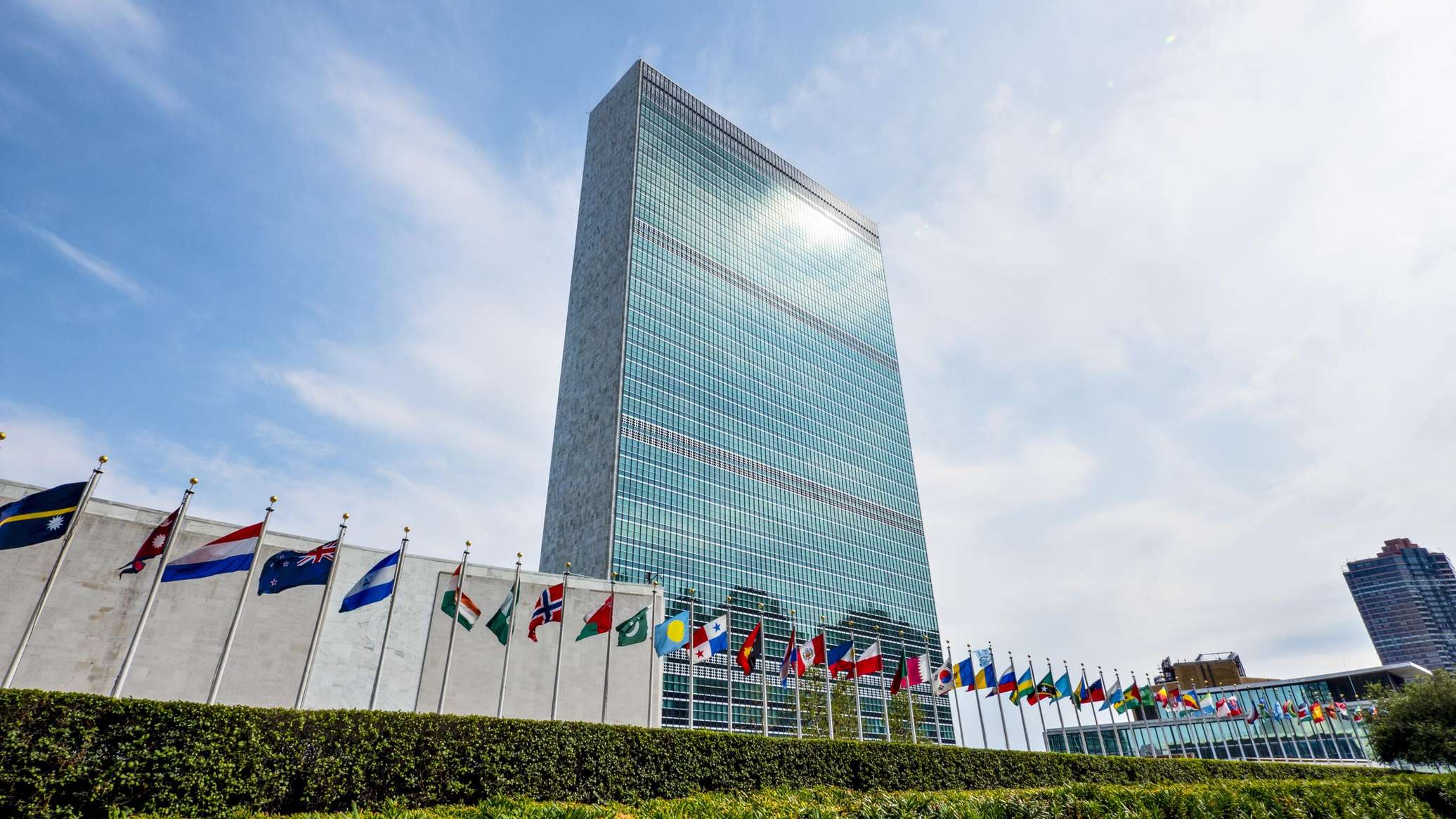
Multipolarity does not inherently guarantee stability or equity. History, from the European balance-of-power struggles to the 20th-century conflicts, suggests that a diffusion of power often leads to greater friction rather than harmony. The current risk is the total obsolescence of international governance. When the UN Security Council and the World Trade Organization are reduced to tools for national interest, their legitimacy evaporates. For the Global South, this transition is a double-edged sword; it offers greater maneuverability and infrastructure financing but forces smaller nations to navigate an increasingly lawless landscape. Preserving a functional international order now requires urgent reform of these institutions to ensure they remain representative and rule-bound. Without a concerted effort to anchor power in shared, equitable standards, the world risks sliding into a reality where might is the only operative law.



Comments (0)
No comments yet. Be the first!