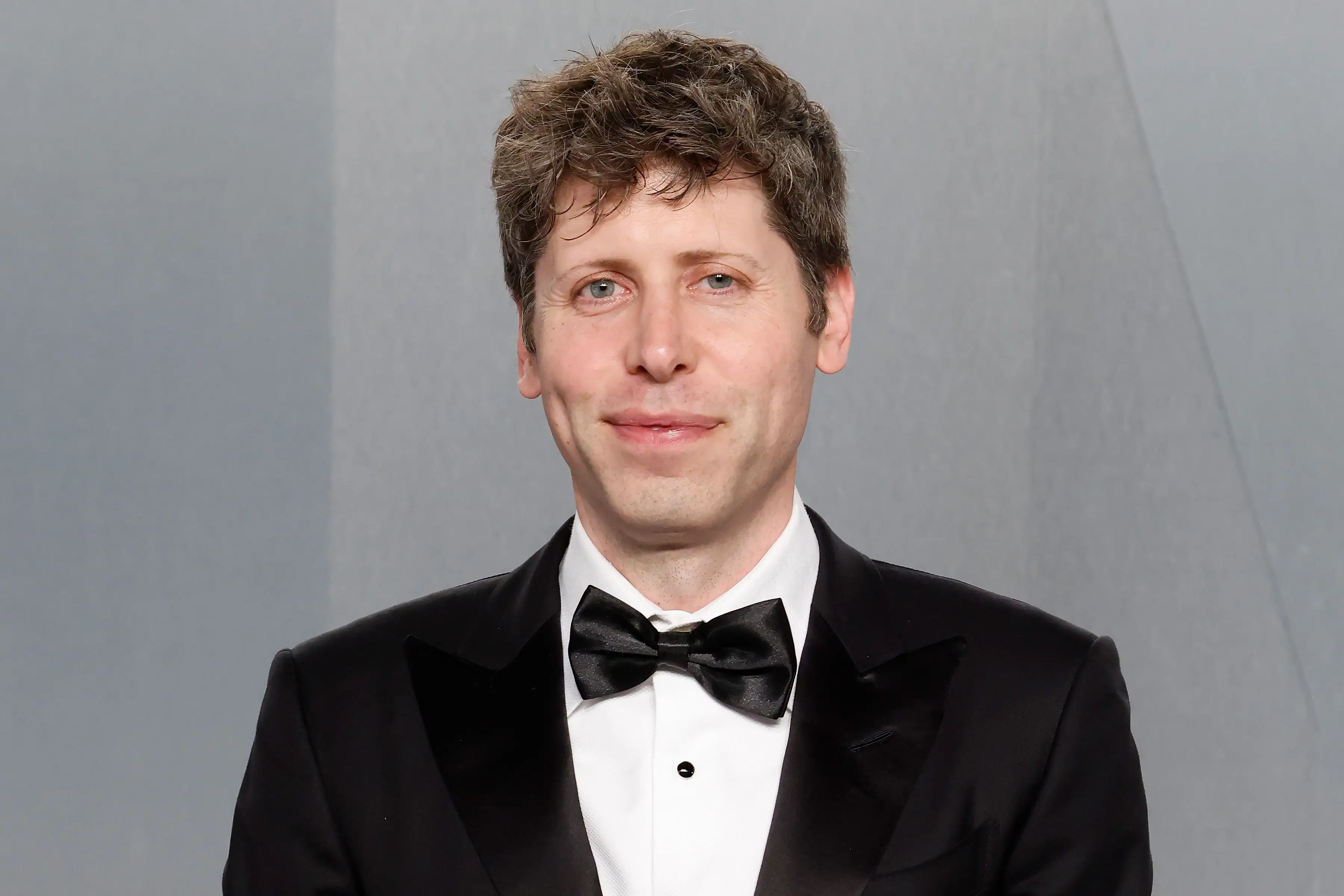
The tension between an inclusive, IAEA-style framework and a restrictive, values-based coalition highlights how AI has evolved from a laboratory pursuit into the bedrock of global power. Industry leaders like Anthropic’s Dario Amodei and Google DeepMind’s Demis Hassabis have pushed for tighter coordination among democracies to prevent fragmentation, while OpenAI’s Sam Altman advocates for broader international forums. This debate is not merely academic; it is unfolding as nations impose export controls, such as the US mandate that forced Anthropic to restrict access to its Fable 5 and Mythos 5 models for foreign nationals.
This shift underscores a structural concentration of power. With nearly 90 percent of notable AI models now originating from private firms rather than public research, the industry is effectively drafting the rules of its own oversight. As power clusters around a handful of corporate entities, the definition of "global" governance risks becoming a tool for those who already control the compute and capital. While the UN’s Global Digital Compact provides a multilateral starting point, the challenge remains to create a truly plural architecture. True legitimacy will require more than a seat at the table for emerging economies; it demands a system where public-interest evaluation, social impact testing, and local institutional capacity can check the strategic interests of states and the commercial imperatives of the private sector.



Comments (0)
No comments yet. Be the first!