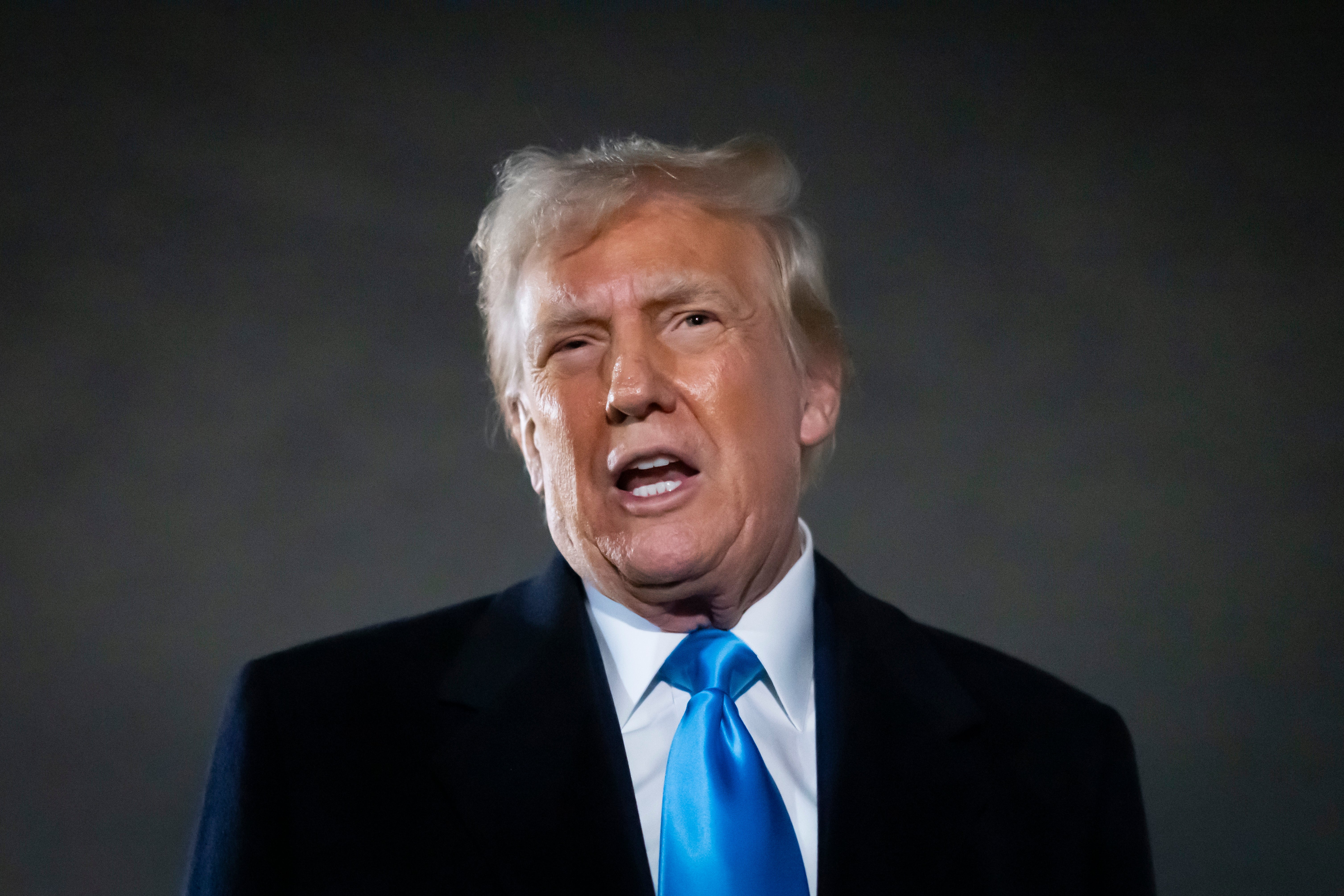
The protectionist pivot arrived in March 2025, when the White House imposed tariffs ranging from 20% to 50% on traditional partners including the EU, Japan, and the United Kingdom. While the US Supreme Court annulled some measures in early 2026, the administration bypassed these setbacks by launching labor law investigations into 44 countries. These inquiries have already resulted in proposed 10% punitive tariffs against nations such as Canada, Ecuador, and Pakistan, while accusations of excess manufacturing capacity threaten further hikes against China, India, and Taiwan.
Economic reality suggests that these barriers rarely achieve their stated goal of domestic industrial revival. Instead, costs are largely passed to American consumers, fueling inflation and slowing growth. Developing economies in Africa and Asia face the steepest hurdles, as they lack the bargaining power to navigate this fractured system. Even where trade is being repaired, such as the late 2025 agreement capping EU tariffs at 15%, the restoration remains partial and contingent. Free trade is no longer a global default; it has become a narrow privilege, earned through specific concessions like importing US oil or opening protected agricultural markets.



Comments (0)
No comments yet. Be the first!