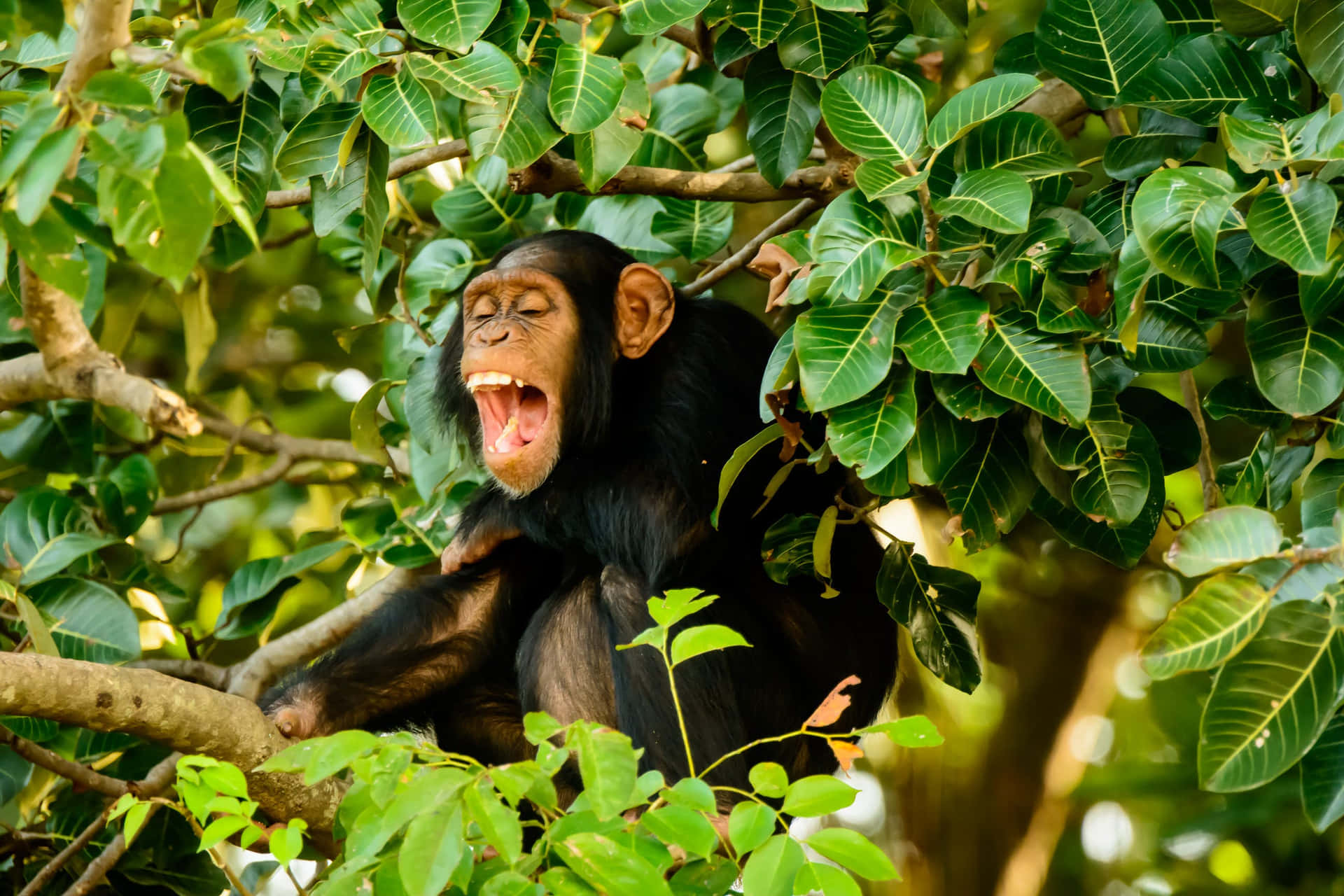
Researchers recorded the responses of gorillas, orangutans, chimpanzees, and bonobos during tickle sessions, comparing them against the spontaneous giggles of children at play. The results, published in the journal Communications Biology, highlight a rhythmic regularity that distinguishes primate laughter from the ultrasonic squeaks of rats or the vocalizations of other mammals. While human laughter has evolved into a complex social tool capable of modulating from polite chuckles to boisterous outbursts, the underlying cadence appears to predate our departure from a common evolutionary ancestor.
Author Chiara De Gregorio notes that this shared acoustic signature serves as a non-verbal bridge to our ancestral past. Although laughter does not leave a fossil record, scientists view these vocal patterns as vital clues to the origins of communication. Co-researcher Brittany Florkiewicz suggests that while the findings provide a compelling look at our shared evolutionary toolkit, further comparative studies—potentially involving dogs, horses, and cats—are necessary to map the full spectrum of how playfulness manifests across species.




Comments (0)
No comments yet. Be the first!