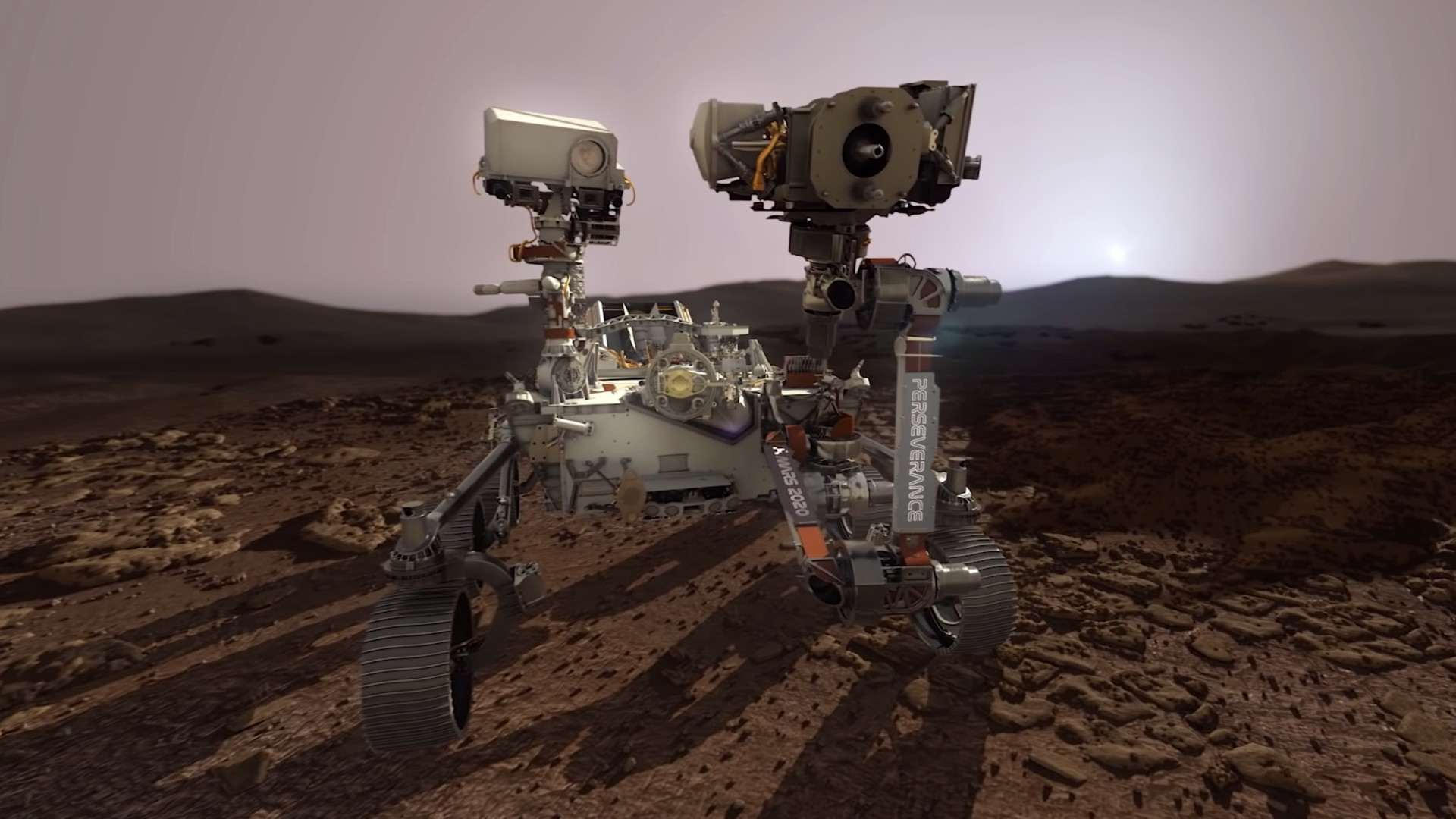
Using its Sherloc ultraviolet laser, the rover detected the carbon signatures on the surface of the Cheyava Falls mudstone. This specific rock formation had previously drawn scientific scrutiny in 2024 for surface nodules that mirror terrestrial fossilized microbial structures. The survival of these molecules suggests they were either recently exposed or shielded from the harsh Martian radiation and chemical oxidation that typically degrade organic matter.
This finding pushes the known footprint of organic-bearing mudstones on Mars to over 2,000 miles, linking the Jezero crater findings to earlier data from the Curiosity rover in Gale crater. According to Ashley Murphy of the Planetary Science Institute, while these molecules can stem from fossilized organic matter like microbial mats, they are also produced by interactions between water and rock or delivered via meteorites. Professor John Bridges of the University of Leicester noted that the presence of these carbon building blocks alongside the site's unique textures reinforces the theory that the ancient delta was a habitable environment.
Definitive proof of ancient life remains elusive, as the rover lacks the instrumentation to distinguish between biological and abiotic origins. Confirming the nature of these samples requires laboratory analysis on Earth. Although NASA previously scrapped its original sample-return mission, the agency is drafting a revised plan for the 2030s, while China independently aims to retrieve Martian material by 2031.




Comments (0)
No comments yet. Be the first!