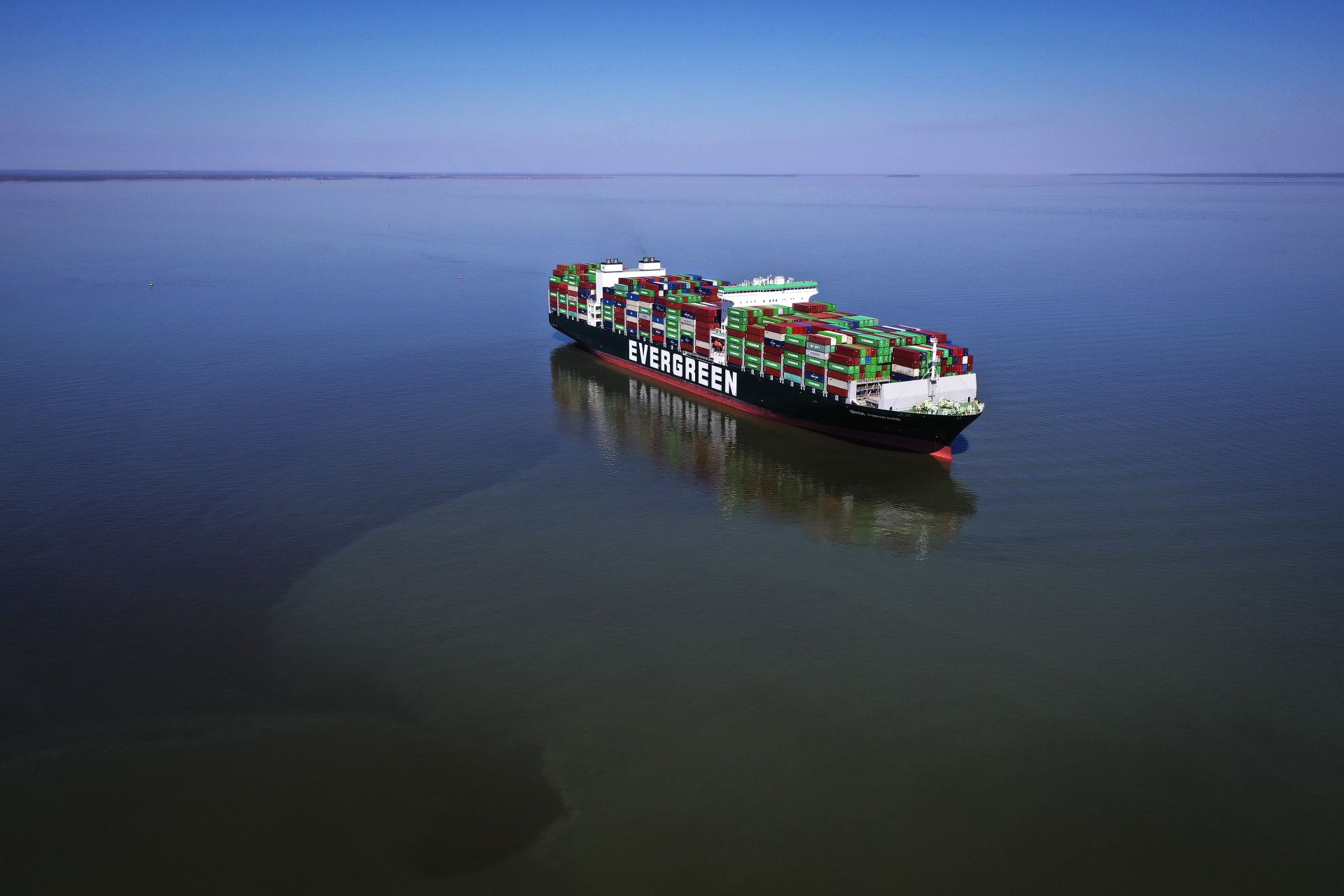
The International Maritime Organization paused the operation to reassess safety guarantees for commercial vessels, noting that the targeted ship was not part of their current evacuation program. The attack occurred shortly after Iranian authorities warned that any vessel navigating outside Tehran-approved routes would forfeit safety protections. Two U.S. officials identified Iranian forces as the likely perpetrators, a claim that aligns with Tehran’s ongoing campaign to assert regulatory control over the vital shipping lane.
Iran’s Persian Gulf Strait Authority has doubled down on these restrictions, recently forcing two Panama-flagged ships to alter their course. This resurgence of maritime friction complicates the preliminary U.S.-Iran agreement, which remains mired in disputes over sanctions, nuclear inspections, and regional security. While U.S. Energy Secretary Chris Wright noted that crude exports had recently hit pre-conflict highs, the renewed threat to the chokepoint—which carries one-fifth of global oil and LNG—has spooked energy markets. Secretary of State Marco Rubio has signaled a potential U.S. response, yet the suspension of the UN mission leaves a vacuum in maritime security that neither side seems prepared to fill. With upcoming negotiations on the horizon, the incident serves as a stark reminder that the current diplomatic calm remains vulnerable to local military realities.


Comments (0)
No comments yet. Be the first!