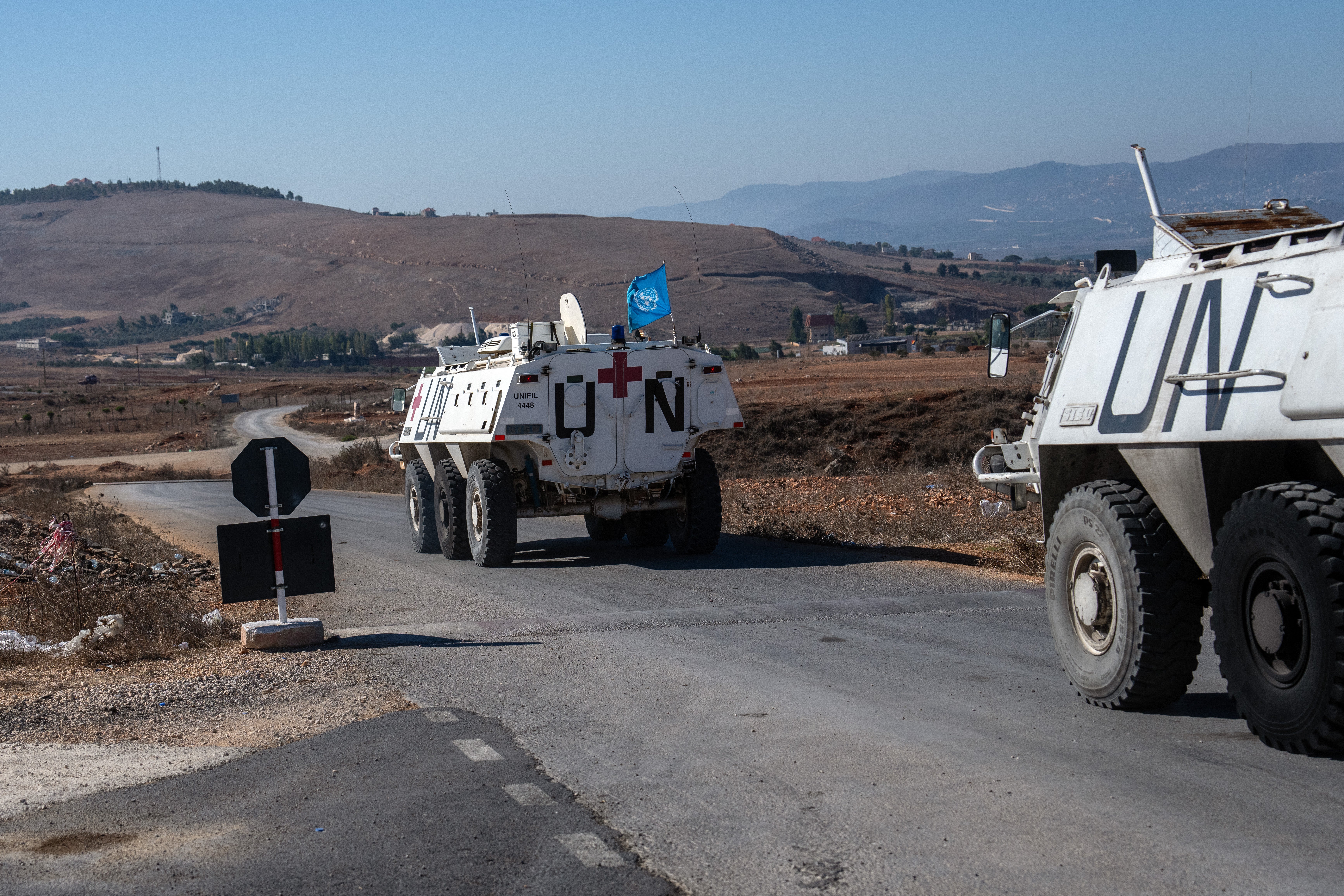
The discrepancy highlights the volatile environment surrounding U.S.-brokered negotiations aimed at establishing a pilot security zone. Washington envisions a plan where the Lebanese military assumes control of specific sectors to dismantle Hezbollah infrastructure, a move intended to facilitate the return of displaced residents. While U.S. diplomats frame the alleged pullback as a sign of good faith, senior Israeli defense officials maintain that their operational stance remains steadfast. Lebanese military sources echoed this rejection, noting that current ground developments show no sign of an Israeli departure.
These diplomatic frictions are further intensified by the influence of Tehran, which has actively pushed for Lebanon to be integrated into broader regional ceasefire discussions. Israel remains focused on preserving its military flexibility against Hezbollah, while the Lebanese government continues to press for a full withdrawal rather than the incremental, U.S.-backed arrangements. The inability of the involved parties to agree on the basic reality of troop movements underscores the profound lack of trust hindering these negotiations, leaving the future of the border security framework in significant doubt.




Comments (0)
No comments yet. Be the first!