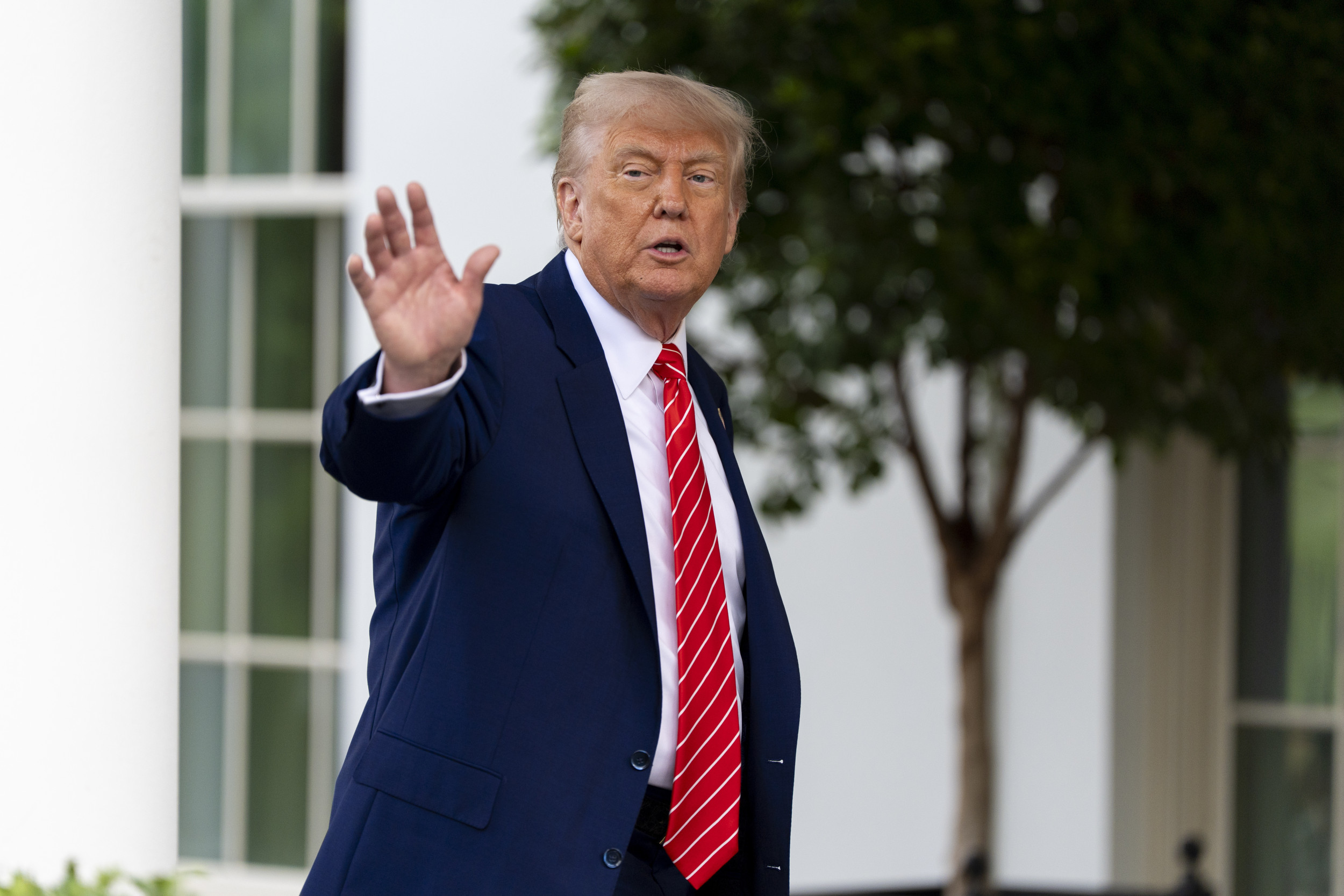
The proposal, which gained traction after a private meeting between Sam Altman and the President in early 2025, mirrors the government's recent move to secure a 9.9% stake in Intel through CHIPS Act grants. While the White House explores three distinct models—ranging from a stock tax proposed by Senator Bernie Sanders to voluntary equity donations favored by OpenAI—the goal remains consistent: integrating federal interests into the infrastructure of the AI boom. Unlike the 2008 financial bailouts, which were designed to be temporary, these investments would cement a permanent, tangled relationship between the state and the companies it is tasked with regulating.
This trend toward state-backed technology mirrors the industrial strategies currently utilized by China, France, and the UAE. Critics, including the Cato Institute’s Jennifer Huddleston, warn that this fusion of corporate and government power threatens traditional free-market principles. The stakes are particularly high as OpenAI and other industry leaders approach massive IPOs. If the government secures a share of these companies before they go public, the Treasury would become a major shareholder in firms that are simultaneously dependent on federal data access and subject to national security mandates like NSPM-11. As Washington debates the specific mechanism, the political consensus between populist and progressive factions suggests that the era of the government as a silent regulator is rapidly coming to an end.


Comments (0)
No comments yet. Be the first!