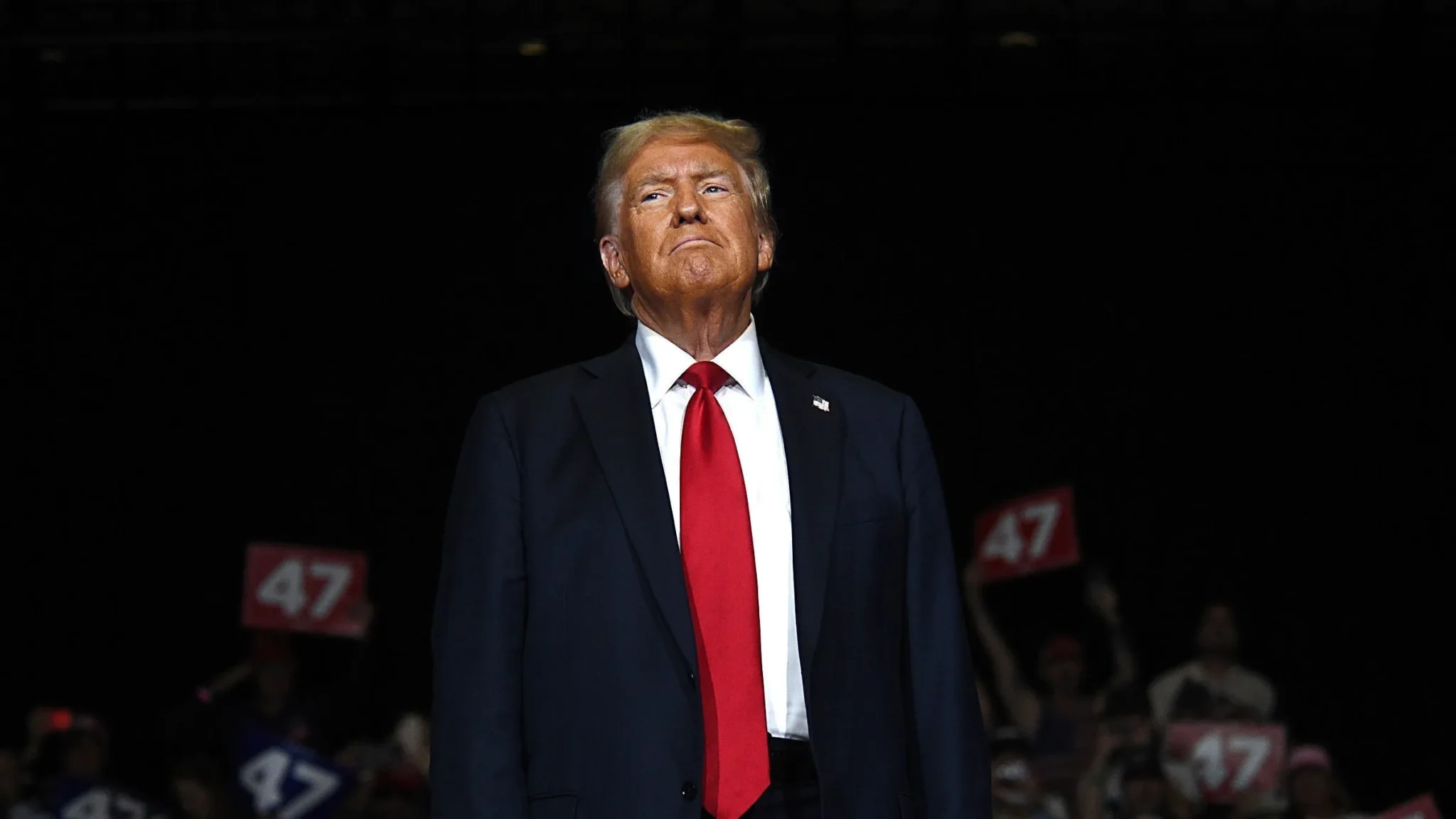
The court is currently deliberating on whether a president possesses the legal standing to remove independent officials, such as Federal Reserve Governor Lisa Cook, and exert direct control over regulatory bodies traditionally shielded from political influence. These disputes place the conservative majority’s adherence to the unitary executive theory under intense scrutiny. While this philosophy favors consolidating power under the White House, the justices must now decide if such centralization violates existing constitutional safeguards or legislative intent.
Perhaps the most volatile issue on the docket is the challenge to birthright citizenship. By attempting to restrict protections guaranteed under the Fourteenth Amendment via executive action, the administration has set the stage for a landmark ruling that could reshape U.S. immigration policy. Beyond these executive power battles, the court is also expected to issue high-stakes opinions on voting rules, campaign finance, and gun rights. These forthcoming decisions will likely dictate the political landscape well beyond the next election cycle, forcing a definitive confrontation between executive ambition and the traditional checks and balances of the American government.




Comments (0)
No comments yet. Be the first!