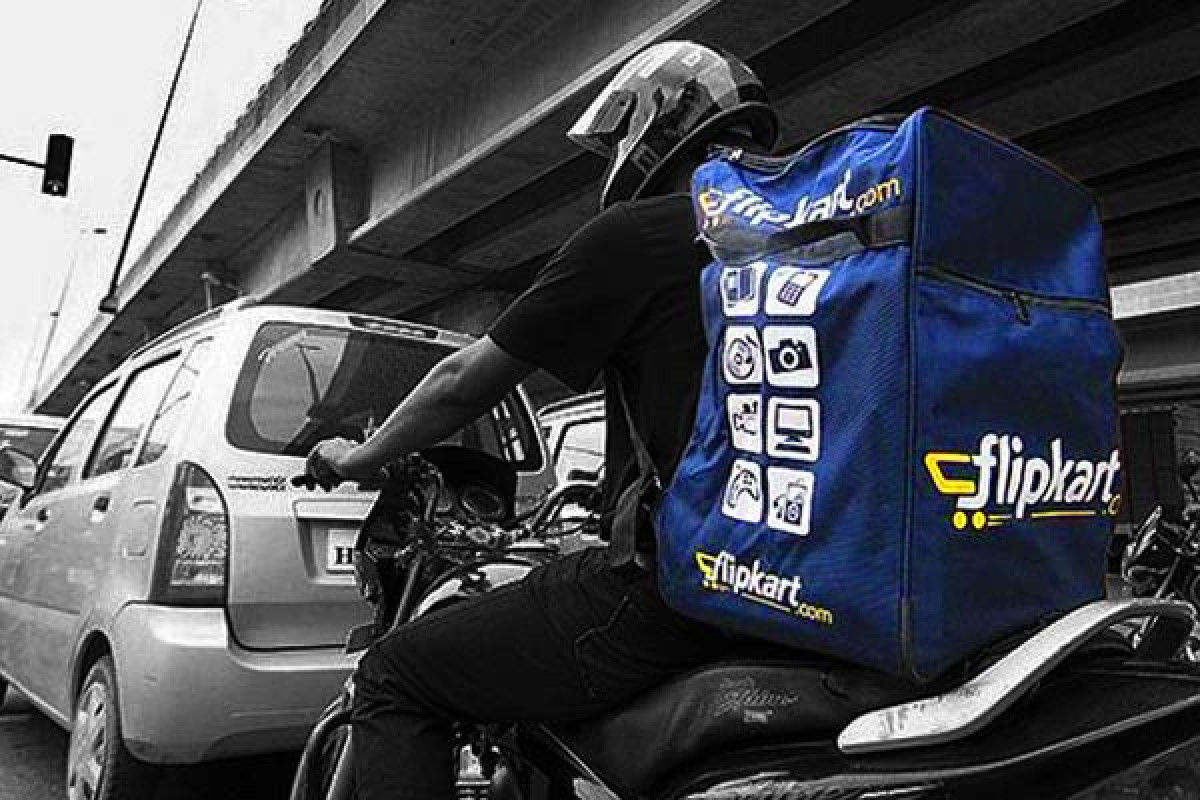
Flipkart currently aims to expand its operational footprint from 1,000 to 1,500 stores, specifically targeting smaller towns where consumer spending patterns favor larger basket sizes. This expansion represents a strategic pivot for the retail giant, which arrived late to the quick commerce phenomenon that promises delivery from neighborhood hubs in under 30 minutes.
Despite the rapid growth of the sector, the incumbents face significant headwinds. Government regulators have expressed skepticism regarding ultra-fast delivery models, citing potential safety risks for riders. Furthermore, while Flipkart reports strong average order values, it continues to trail Blinkit and Swiggy in total daily volume. Capturing the high-income demographic that prioritizes convenience over cost remains the primary hurdle for both Amazon and Flipkart as they attempt to bridge the gap with established market leaders.




Comments (0)
No comments yet. Be the first!