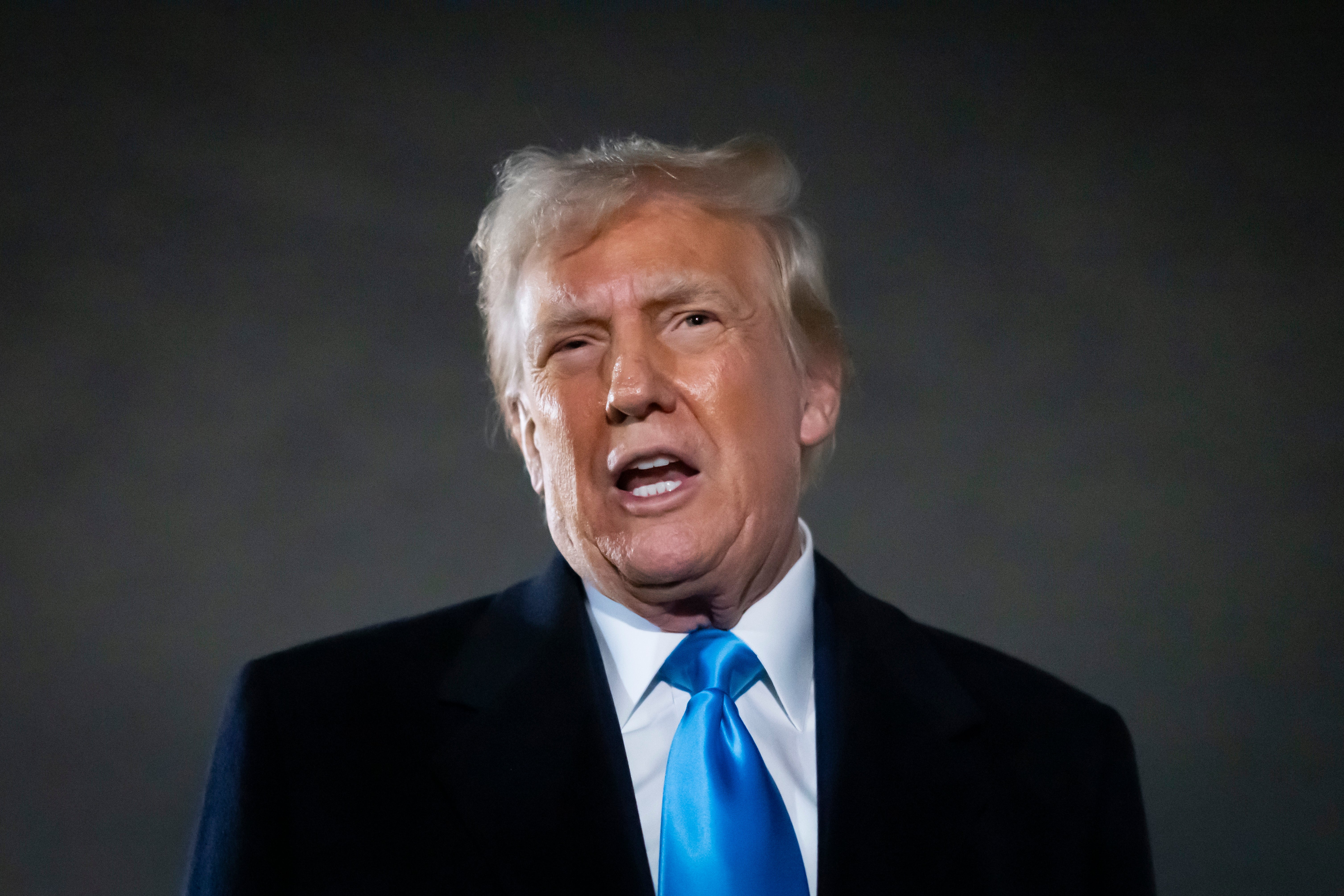
The proposed agreement would reopen the vital Strait of Hormuz and allow Iran to resume oil exports for 60 days while negotiations continue. Trump maintains that the US Treasury will control Iranian assets currently held in escrow, mandating their use for the purchase of American corn, wheat, and soybeans. Vice President JD Vance echoed this sentiment following high-level discussions in Switzerland, framing the arrangement as a direct benefit to the US heartland.
Tehran has countered these assertions with sharp skepticism. Foreign Ministry spokesperson Esmail Baghaei insisted that Iran will prioritize price and quality over Washington’s dictates, while Ambassador Ali Bahreini emphasized that Iran retains full sovereignty over the use of its own funds. Experts remain divided on the feasibility of the US plan. Richard Nephew, a veteran sanctions architect, noted that while the US could pressure foreign banks to facilitate such transactions, forcing a sovereign nation to abandon established trading partners like Brazil or India risks significant diplomatic fallout. Meanwhile, the administration faces criticism for the deal's silence on Iran's nuclear program and its support for regional militant groups, leaving observers to question whether the focus on agricultural exports serves as a genuine policy shift or a domestic political narrative.



Comments (0)
No comments yet. Be the first!