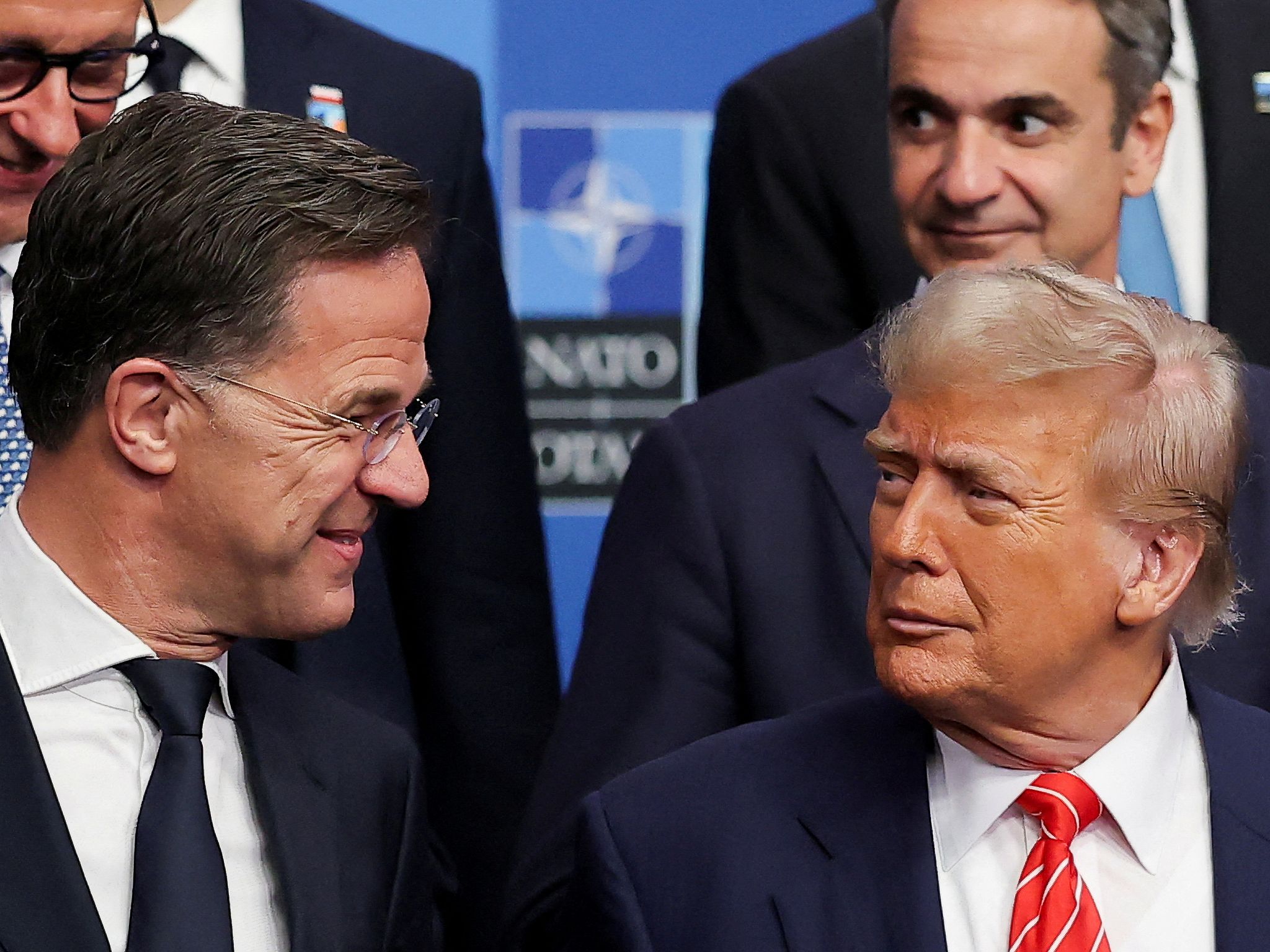
The stakes for the July summit in Ankara are high, with the alliance navigating its most precarious period in decades. Trump has consistently questioned the value of NATO, fueling skepticism that has only intensified since several member states refused to back Washington’s military campaign against Iran. Rutte, often serving as a diplomatic mediator, faces the task of convincing the White House that European allies are committed to greater burden sharing before the president’s rhetoric further erodes alliance cohesion.
Defense Secretary Pete Hegseth has compounded these anxieties by launching a six-month Pentagon review of U.S. troop levels across Europe. European capitals fear that a potential drawdown would compromise deterrence at a time when the alliance is managing support for Ukraine and shifting regional threats. While allies agreed last year to reach a 5 percent GDP defense spending target within a decade, progress remains inconsistent. Rutte intends to leverage recent budget increases as proof that European nations are finally assuming more responsibility, hoping this will satisfy Trump’s demands and preserve the integrity of the collective defense framework.

Comments (0)
No comments yet. Be the first!