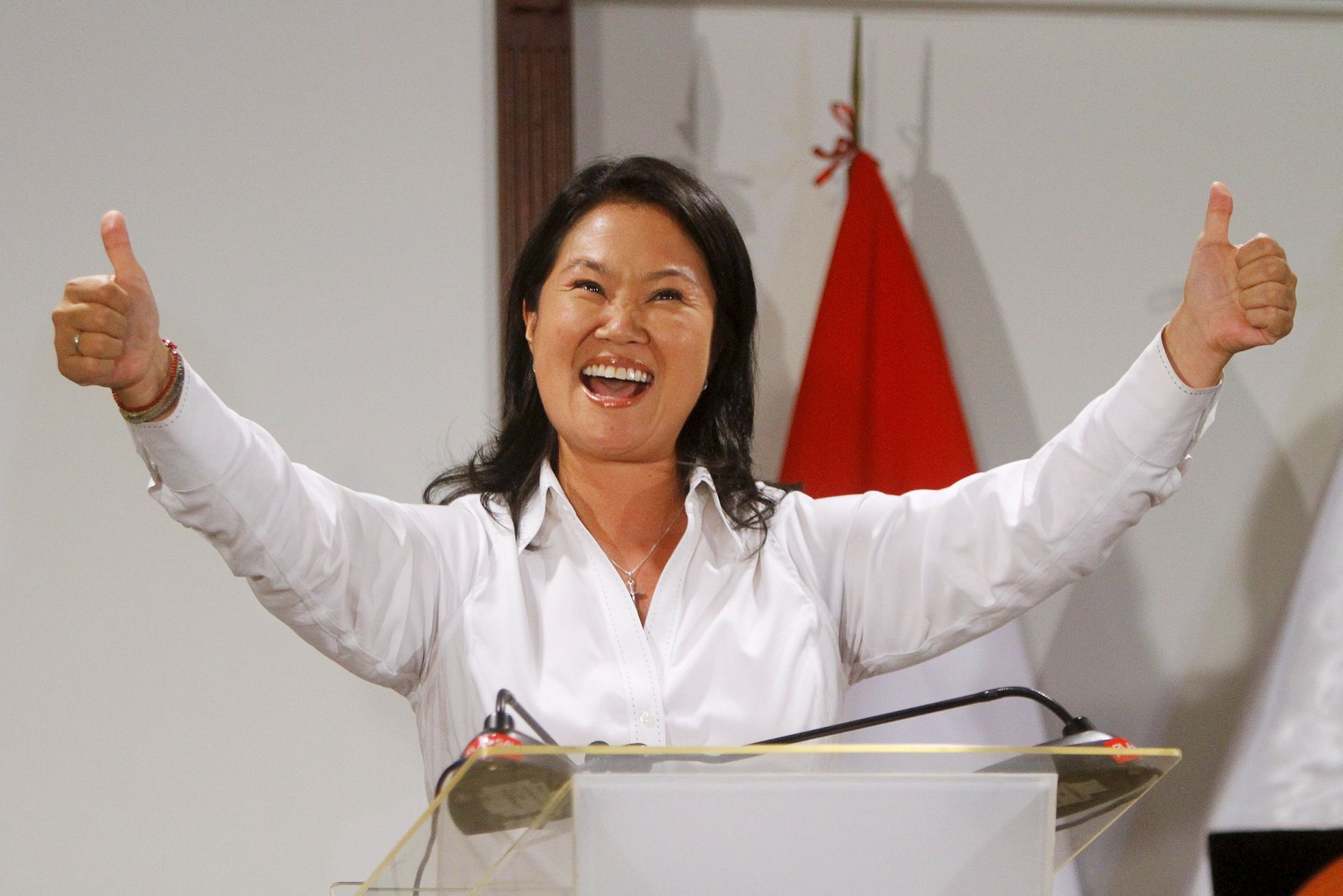
Fujimori’s campaign centered on a promise to restore order, directly addressing public anxiety over surging crime and the country’s chronic political instability. By embracing her father Alberto Fujimori’s legacy of strong-handed governance, she successfully tapped into voter fatigue with the revolving door of leadership that has seen eight presidents hold office in as many years. This victory aligns Peru with a broader conservative trend across Latin America, where security-focused platforms are gaining traction against traditional political establishments.
However, the transition of power faces significant friction. Sanchez refuses to concede, and his unsubstantiated allegations of electoral fraud threaten to deepen existing social polarization. As the electoral authority prepares for formal certification, the incoming administration faces a fragile landscape defined by low institutional trust, deep-seated corruption, and a massive economic divide between the capital and rural provinces. Fujimori’s ability to stabilize the nation will depend on her capacity to deliver immediate security results while navigating a political environment that has historically proven hostile to its own leaders.




Comments (0)
No comments yet. Be the first!