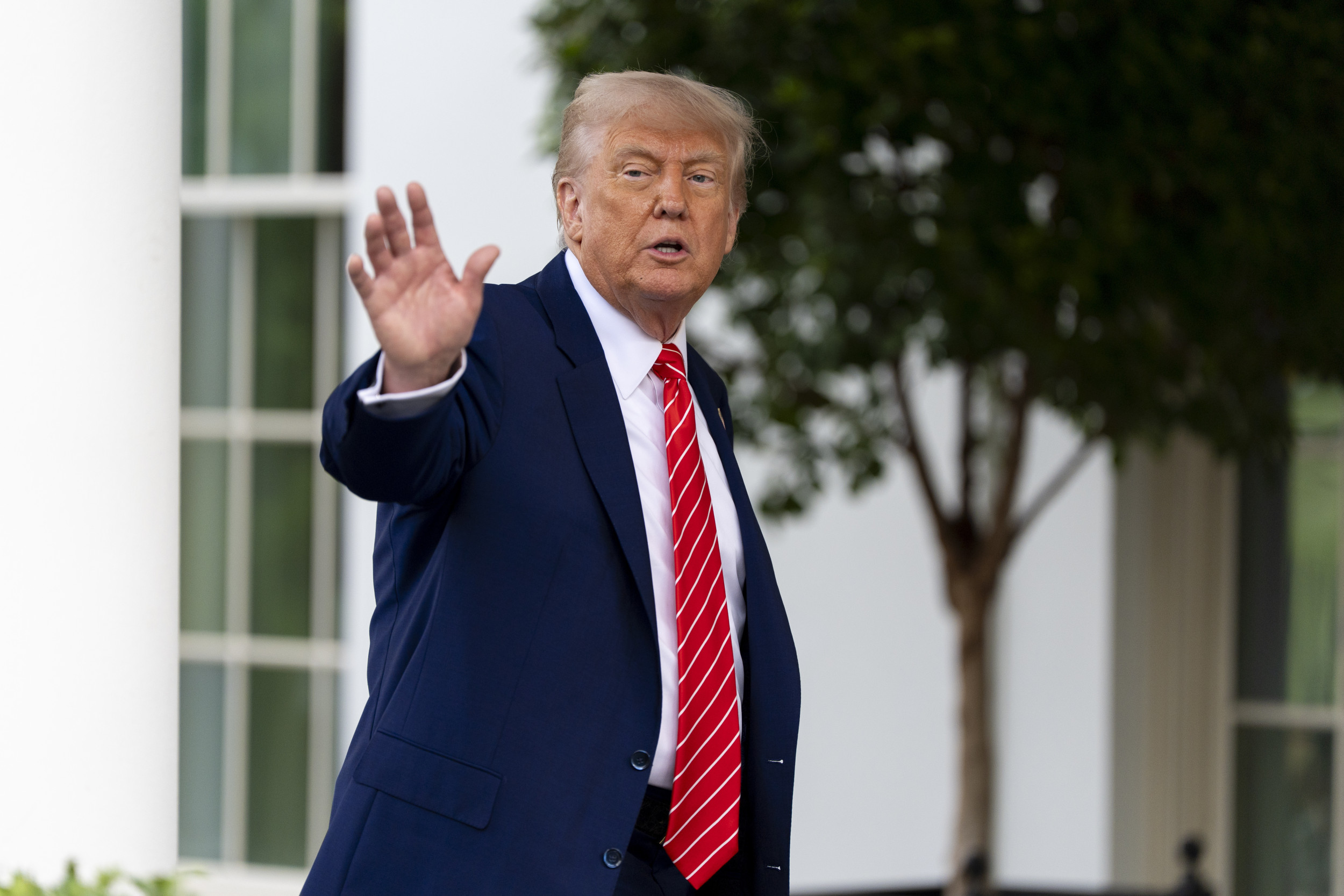
The dispute centers on the scope of future nuclear oversight and the release of billions in Iranian assets held in foreign accounts. While Trump insisted on social media that Iran committed to inspections lasting into "infinity," Iranian officials maintained that the nuclear program was not part of the current negotiations. Further friction exists regarding the $300-billion reconstruction fund; the White House intends to restrict spending to U.S.-sourced food and medical supplies, whereas Ambassador Ali Bahreini asserted that Tehran retains full sovereignty over the use of those funds.
Domestic pressure on the White House is mounting as the Senate defied the president to vote for an end to the conflict, a move that highlights growing Republican skepticism toward the administration's war policy. A Reuters/Ipsos poll reflects this unease, with 35% of Americans viewing the U.S. position as weakened by the intervention. Meanwhile, regional tensions persist in Lebanon, where Israeli military actions have drawn accusations of ceasefire violations from Hezbollah. Despite these volatile disagreements, the initial agreement has temporarily restored shipping through the Strait of Hormuz, providing a brief window of stability for global energy markets as the United Nations works to evacuate thousands of stranded seafarers.




Comments (0)
No comments yet. Be the first!