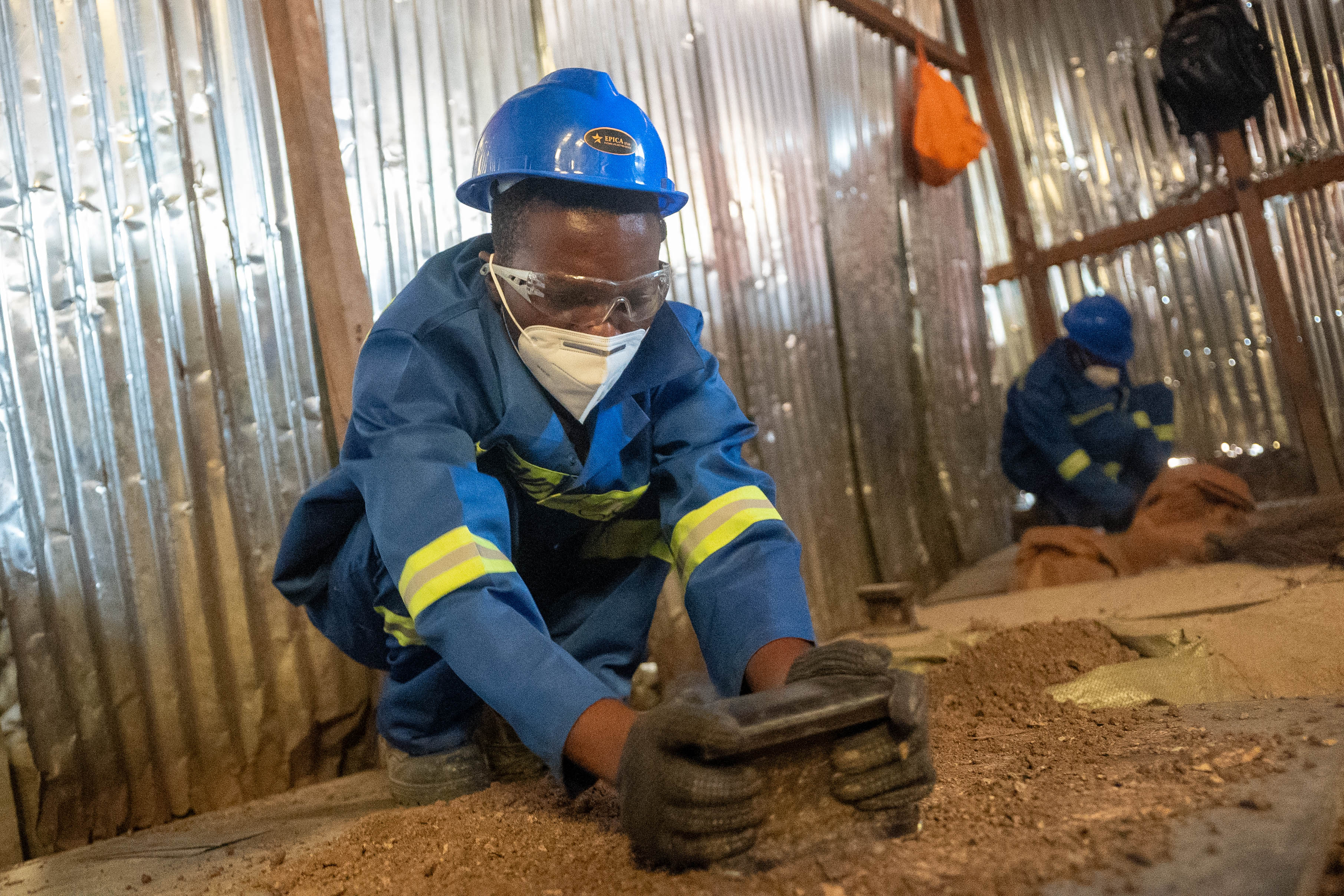
Kinshasa’s strategy relies on a combination of export quotas and a push for ethical certification to attract Western capital. Since February last year, the government has transitioned from a total export ban to a controlled quota system, effectively draining the global supply overhang. Data from the World Bureau of Metal Statistics highlights the impact: China’s imports of Congolese cobalt dropped to 5,000 metric tons between January and April, a sharp decline from nearly 200,000 tons during the same period in 2025. This scarcity has pushed the payable price of cobalt hydroxide to parity with the metal price, a trend analysts at Project Blue describe as a structural premium for secure access to Congolese units.
To facilitate this transition, Congo is leaning into U.S.-backed initiatives, most notably the Lobito Atlantic Railway, which provides a strategic alternative to the Chinese-controlled TAZARA route. Recent corporate moves underscore this shift: U.S.-based Virtus Minerals acquired the Chemaf copper and cobalt mines, while the state-run Entreprise Generale du Cobalt (EGC) has partnered with Trafigura and U.S. startup EVelution to supply a proposed refinery in Arizona. To overcome the stigma of artisanal mining, the EGC is piloting a "Gold Standard" program at the Kasulo site, aiming to guarantee that small-scale production meets the ethical requirements of Western buyers.
Congo’s leverage is further amplified by supply disruptions elsewhere. With Indonesian refineries facing feedstock shortages and Canadian operations in Cuba hampered by U.S. sanctions, global dependence on Congolese output—which accounts for over 70% of total mine supply—has reached a critical point. By integrating its artisanal sector and diversifying its export routes, the country is rewriting its role in the global critical minerals race.



Comments (0)
No comments yet. Be the first!