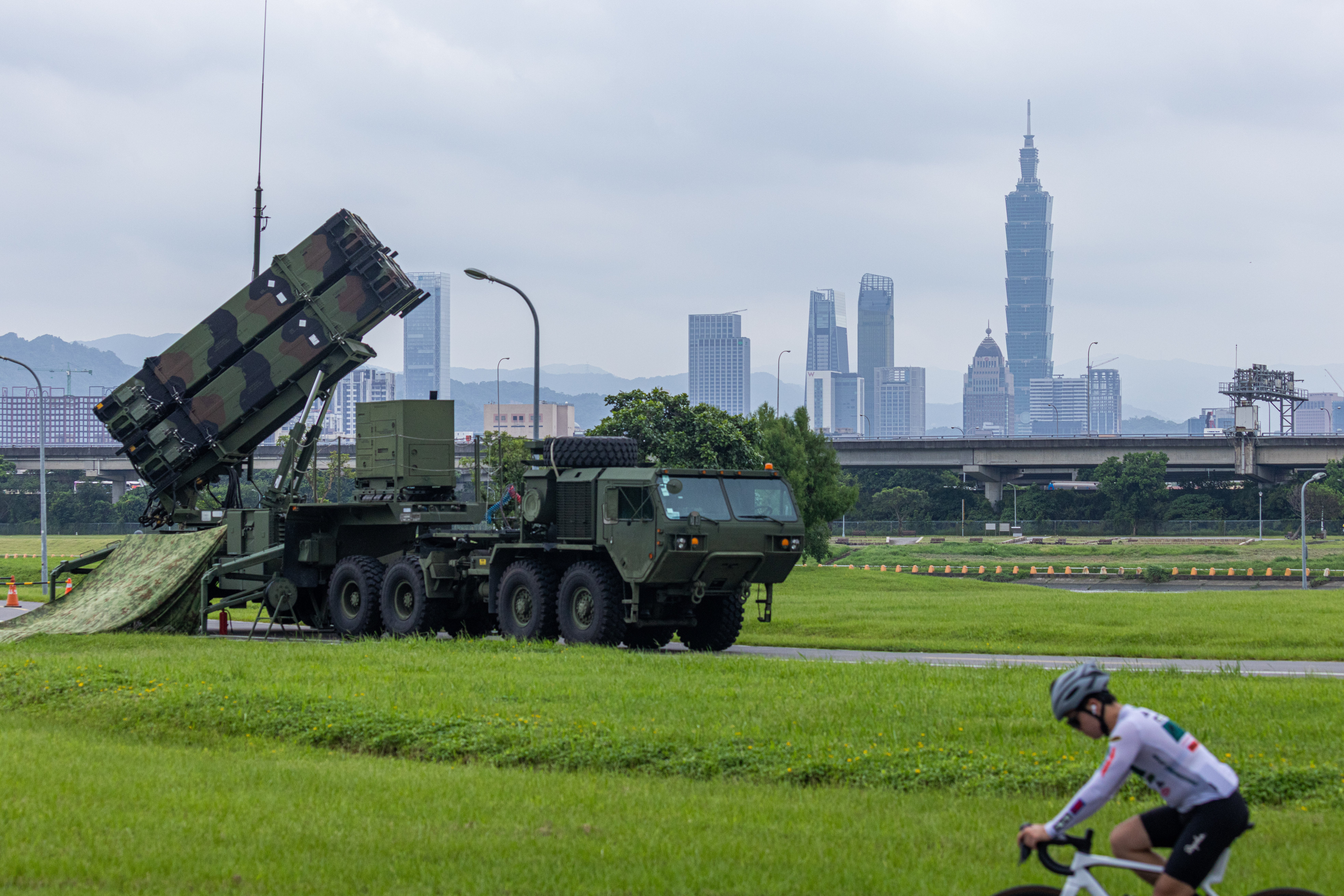
The five-day drills currently underway simulate a worst-case scenario: a routine Chinese exercise suddenly pivoting into an all-out invasion. By emphasizing rapid transition from peacetime to wartime status, Taipei aims to bridge the gap between static defense and operational agility. This shift comes as President Lai Ching-te pushes for a major modernization of the armed forces, with a stated goal of raising defense spending to 5% of GDP by 2030.
Beijing remains unmoved by these preparations, characterizing the exercises as a provocative attempt to secure independence through force. Zhang Han, spokesperson for China's Taiwan Affairs Office, dismissed the drills as futile posturing, while reiterating that the People’s Liberation Army retains the option of military intervention. Meanwhile, Washington continues to bolster Taiwan’s defensive posture. Raymond Greene, the top U.S. diplomat in Taipei, emphasized that maintaining the status quo along the first island chain remains a core objective of U.S. national security, signaling a coordinated effort with regional allies to deter unilateral changes to the regional balance of power.

Comments (0)
No comments yet. Be the first!