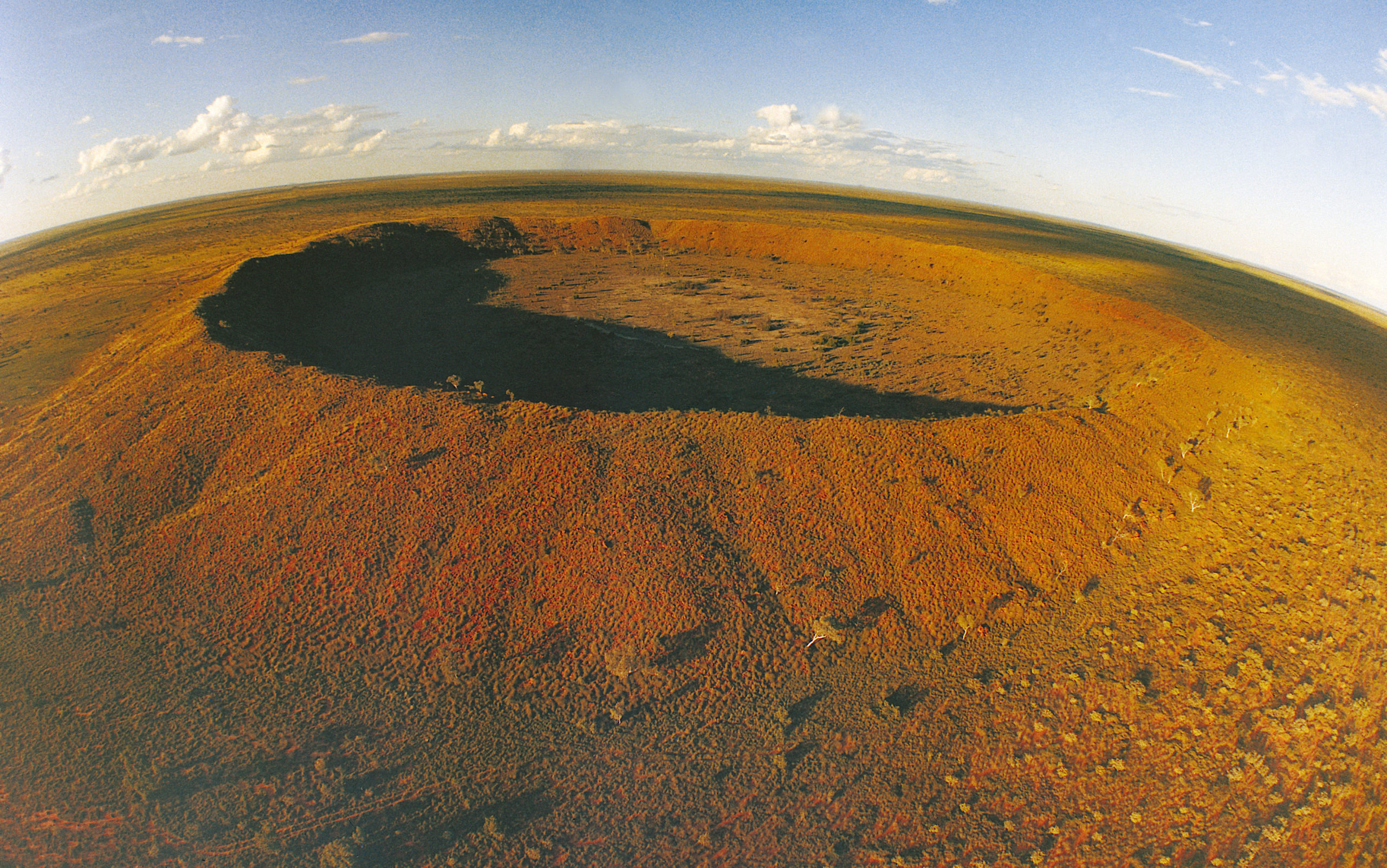
The study, published in the journal Geology, resolves a long-standing debate regarding the Pilbara region site. By analyzing zircon crystals—minerals resilient enough to survive billions of years—the team identified skeletal, branching patterns formed when heat from the impact disrupted and recrystallized existing rock. This mineral clock provided the breakthrough researchers needed to distinguish the moment of impact from subsequent geological alterations.
To ensure accuracy, the team cross-referenced these findings with apatite, a mineral that crystallized as hot fluids coursed through shock-damaged rocks. The convergence of these two independent dating systems confirms the event occurred approximately 3 billion years ago. Lead author Professor Chris Kirkland noted that these early, violent collisions likely played a fundamental role in the formation of Earth’s first continents. The discovery extends the recognized record of meteorite impacts significantly further back into geological history than previously verified sites.




Comments (0)
No comments yet. Be the first!