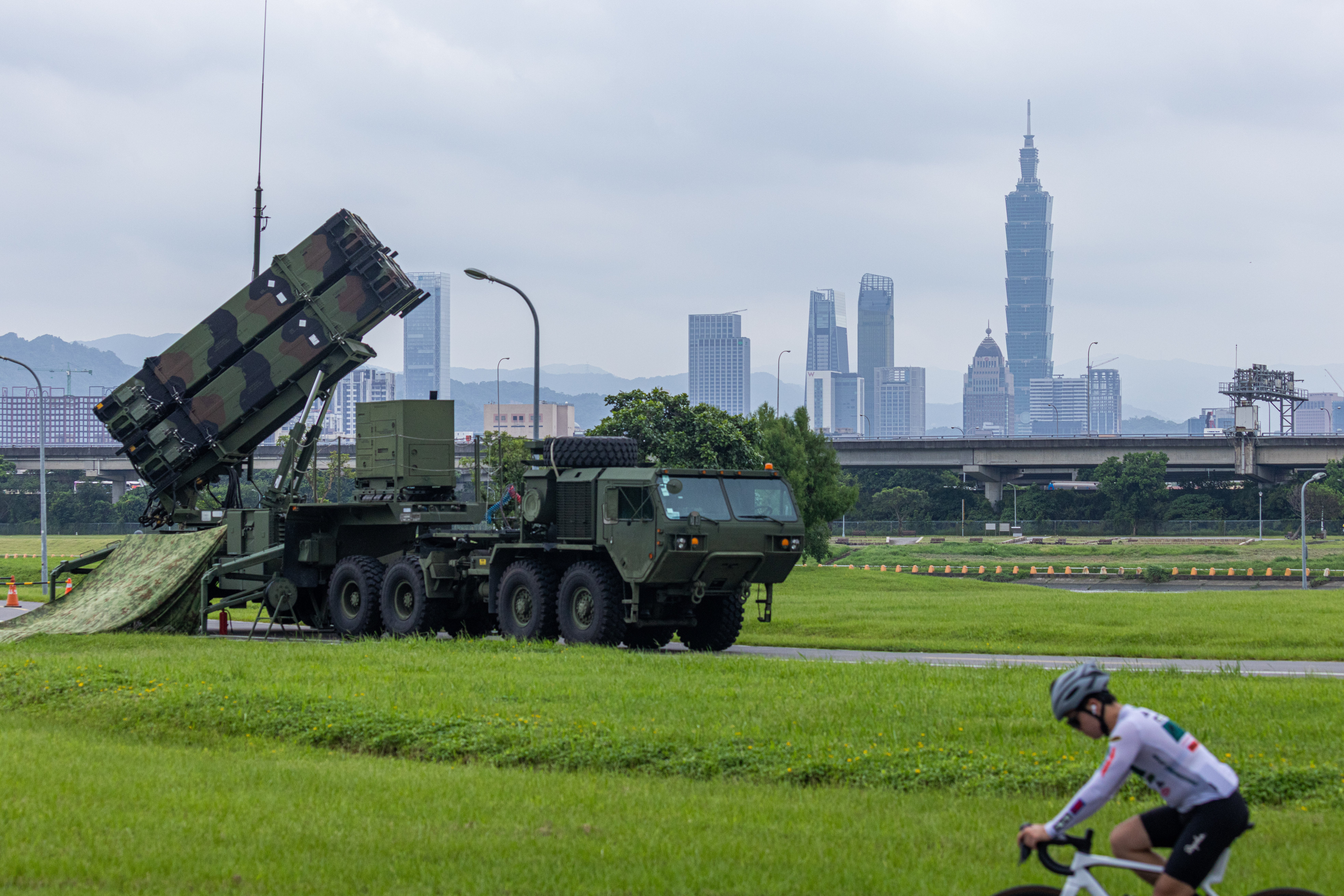
The five-day exercises mark a departure from conventional defense planning, which previously relied on detecting long-term mobilization indicators. Military planners are now operating under the assumption that Beijing could convert its frequent, routine naval and aerial patrols into an actual offensive strike at any moment. This strategy of constant pressure makes it increasingly difficult for Taipei to distinguish between military intimidation and the opening phase of an assault.
To counter this, the military is testing decentralized command structures, ensuring regional units remain functional even if communication lines with central headquarters are severed. The drills incorporate advanced hardware like U.S.-supplied HIMARS rocket systems, signaling a shift toward asymmetric warfare tactics aimed at making any potential crossing of the Taiwan Strait prohibitively costly for Beijing.
While the Taiwan Affairs Office in Beijing labeled the drills a provocation and a push for independence, the government in Taipei maintains that these measures are essential for survival. With China’s latest aircraft carrier transiting the Strait and large-scale, simulated blockade exercises becoming the norm, the margin for error has reached a critical low. The upcoming Han Kuang war games are expected to further prioritize rapid mobilization and civil defense, as both sides lock into a cycle of heightened military posturing.



Comments (0)
No comments yet. Be the first!