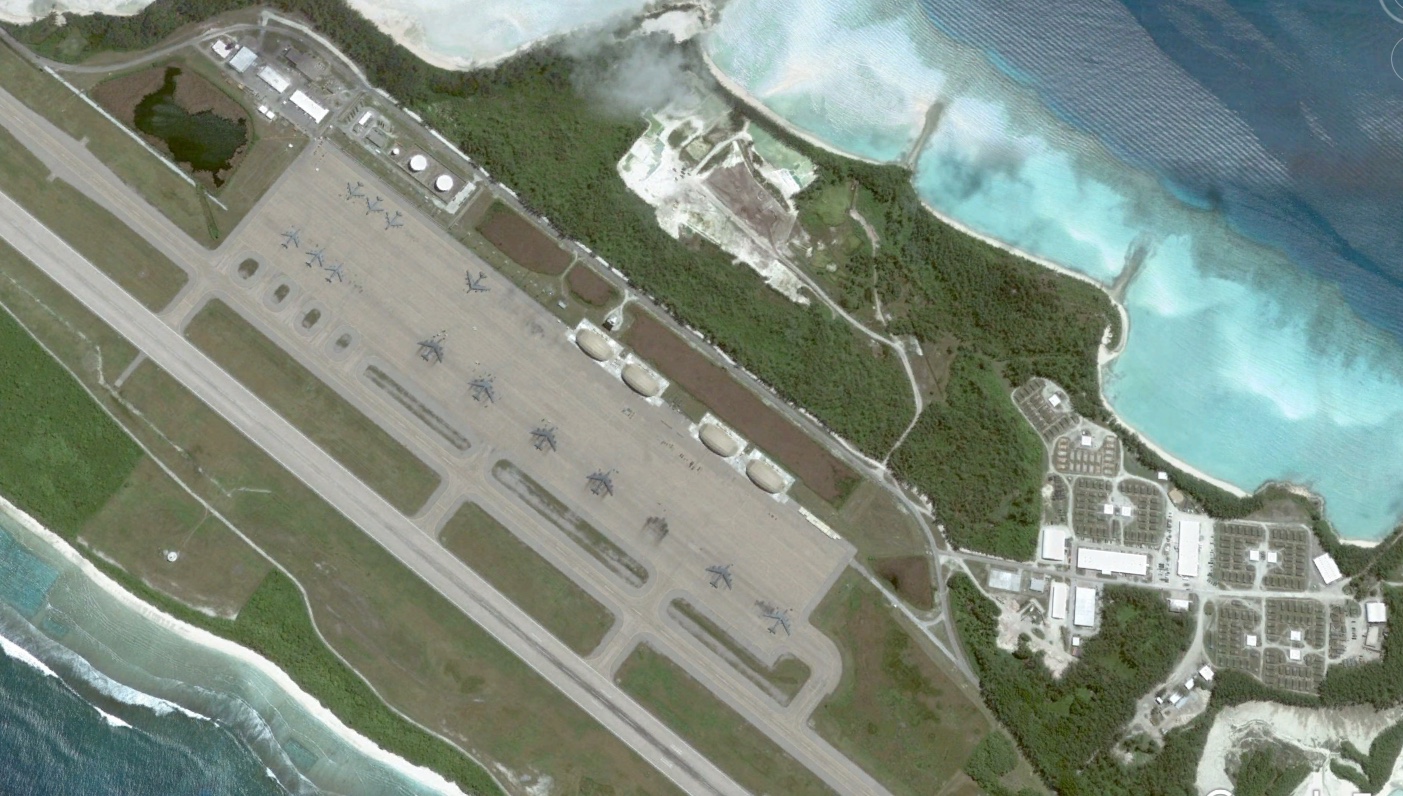
The February 2026 attempt to launch strikes against Iran from the atoll revealed a critical vulnerability: British oversight created a threshold of hesitation that threatened to stall American operational freedom. When London wavered, the United States discovered that its most vital Indian Ocean node was effectively beholden to the political climate of a partner. For a strategy that relies on persistent, forward-deployed power, this conditionality is not merely an inconvenience—it is a functional failure. A lease, regardless of its duration, preserves a counterparty capable of imposing a veto at the decisive moment.
By pursuing outright ownership, Washington aims to dissolve the legal and political framework that subjects the base to external influence. This move reflects a broader doctrine of denial, where the military center of gravity shifts from coalition-based diplomacy to the singular, uninhibited control of key nodes. If the deterrent value of the American network rests on its ability to hold under shock, Diego Garcia must remain an exception that answers to no one. Ownership ensures that no future government in Port Louis, nor any rival power seeking influence over the surrounding sea lanes, can leverage the archipelago’s status to contest American access. The transition from a leaseholder to a proprietor is not simply an administrative preference; it is a calculated effort to remove the atoll from the reach of international law and local politics, securing a permanent, uncontested platform for power projection.


Comments (0)
No comments yet. Be the first!