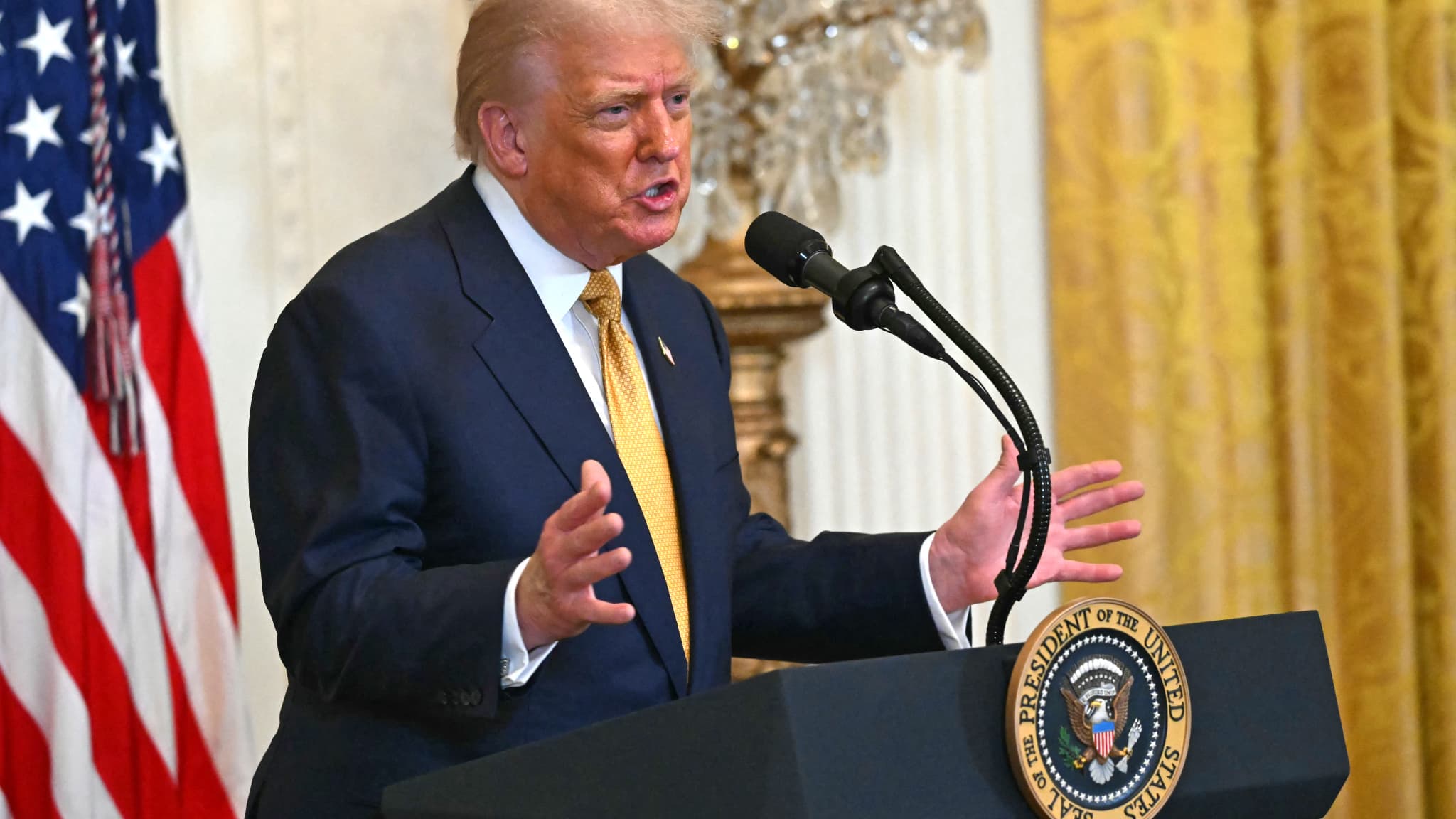
While President Trump claimed on social media that Iran had agreed to nuclear inspections lasting into "infinity," Iranian officials flatly denied any such concession. This disconnect extends to the handling of billions in frozen assets; the U.S. insists these funds be restricted to humanitarian purchases, while Tehran asserts full autonomy over its recovered capital. These disagreements highlight the volatility of the deal, which seeks to end a conflict that began on February 28.
Domestic pressure is mounting against the administration. The Republican-controlled Senate recently voted 50-48 to force an end to U.S. involvement in the hostilities, marking a rare congressional rebuke of the president. Meanwhile, the strategic Strait of Hormuz remains a flashpoint. Although traffic has resumed, Iran and Oman have signaled their intent to potentially impose shipping tolls, a move Secretary of State Marco Rubio explicitly rejected during his tour of Gulf allies. With Israel continuing operations in southern Lebanon and reports of renewed gunfire, the stability of the entire arrangement remains in question.




Comments (0)
No comments yet. Be the first!