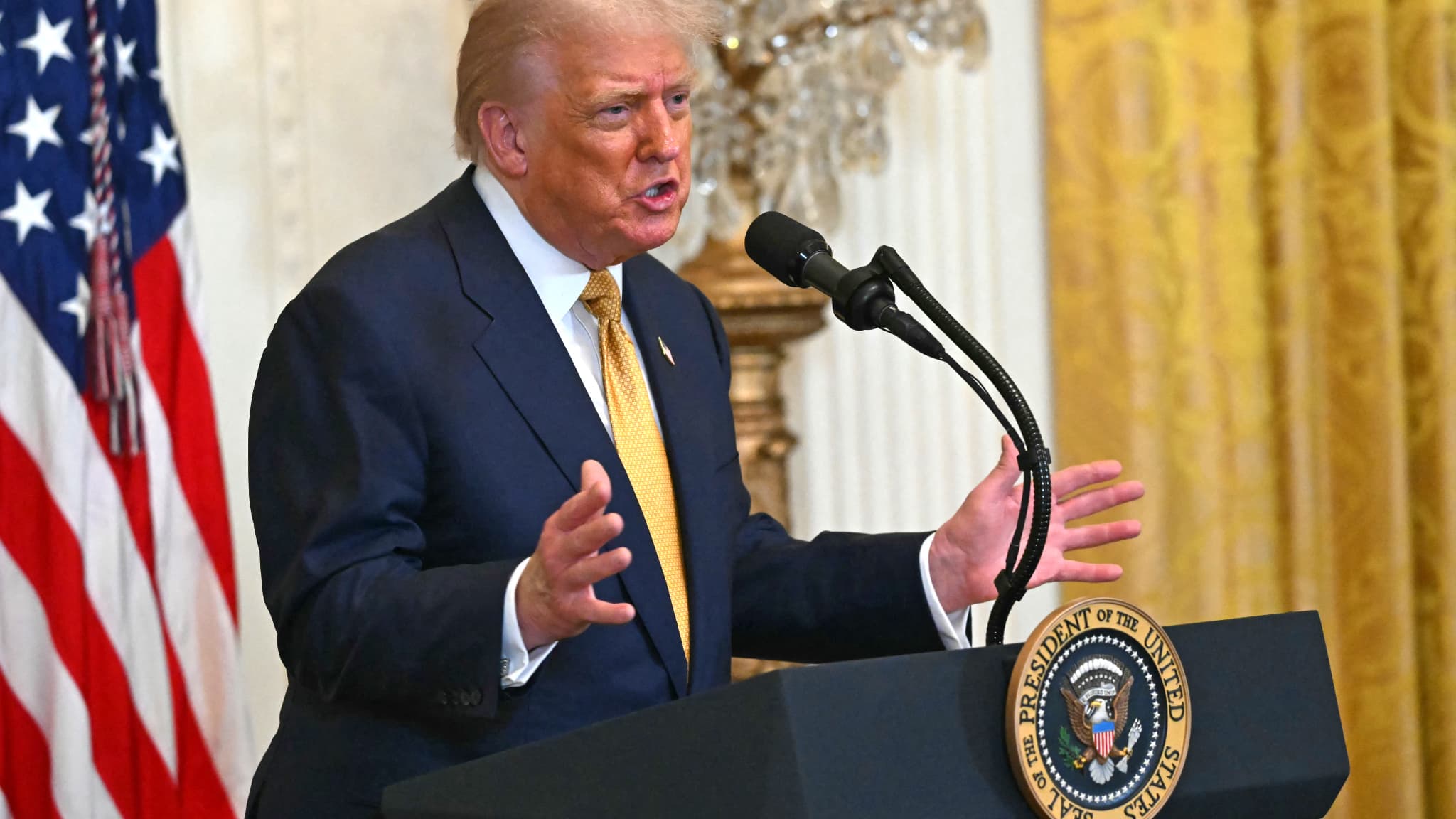
The vote highlights a growing restlessness within the Republican party, as four GOP senators broke ranks to join nearly all Democrats in supporting the measure. Despite the legislative success, the resolution faces significant hurdles. The administration maintains that the act is unconstitutional and non-binding, effectively signaling that the executive branch will ignore the directive.
Legal scholars anticipate a protracted battle over the resolution's enforceability. Scott Anderson, a senior fellow at the Brookings Institution, noted that the executive branch will likely bypass the measure on constitutional grounds. Because the War Powers Act does not require a presidential signature for this type of resolution, it bypasses the traditional veto process, leaving the courts as the only potential arbiter of its legitimacy. While the conflict continues, the vote serves as a symbolic, yet clear, rebuke of presidential foreign policy.




Comments (0)
No comments yet. Be the first!