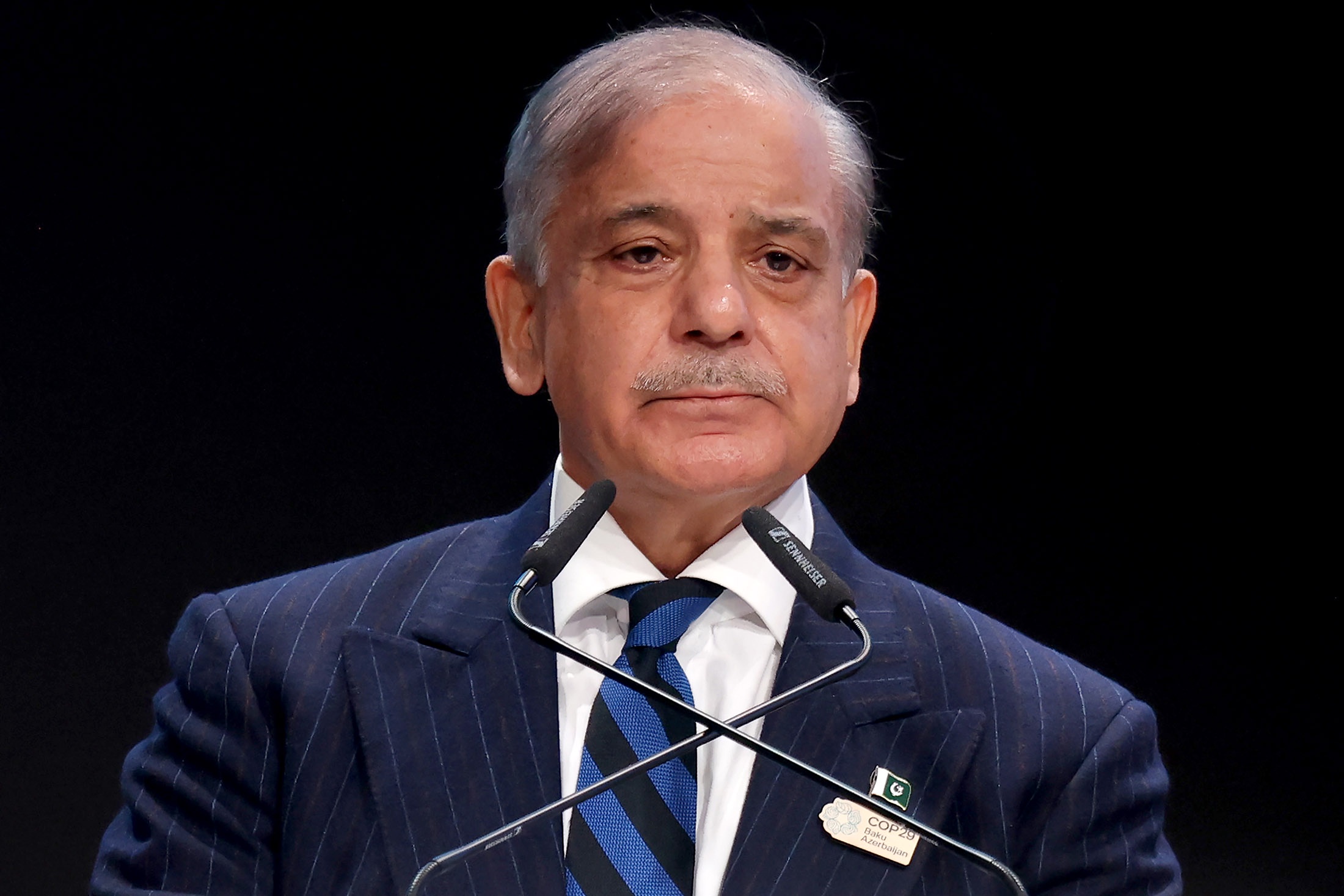
The breakthrough in Switzerland positions Pakistan as a vital diplomatic broker, capable of navigating the interests of Washington, Tehran, and Beijing simultaneously. Supporters within the government argue that this newfound credibility makes the nation an attractive destination for foreign investment. Khurram Schehzad, an adviser to the finance minister, believes that pairing stability abroad with a growth-oriented agenda could catalyze development in infrastructure and technology. Potential rewards include expanded trade with Iran via the Balochistan border and strengthened economic ties with the UK and other Western nations currently exploring deeper partnerships.
However, seasoned observers caution against repeating the mistakes of the post-9/11 era. During that period, Pakistan secured significant debt relief and aid but failed to address chronic structural weaknesses, including a narrow tax base and an over-reliance on IMF bailouts. Former finance minister Miftah Ismail argues that without internal reform, international prestige cannot shield the country from the crushing weight of weak exports and external debt repayments. Harvard professor Asim Ijaz Khwaja suggests that Islamabad should pivot away from seeking short-term financial injections, focusing instead on technology transfers and preferential market access. Ultimately, academics like Oxford’s Adeel Malik warn that unless the ruling elite confronts deep-seated social grievances and systemic inequality, the country remains vulnerable to long-term economic instability, regardless of its success as a regional mediator.


Comments (0)
No comments yet. Be the first!