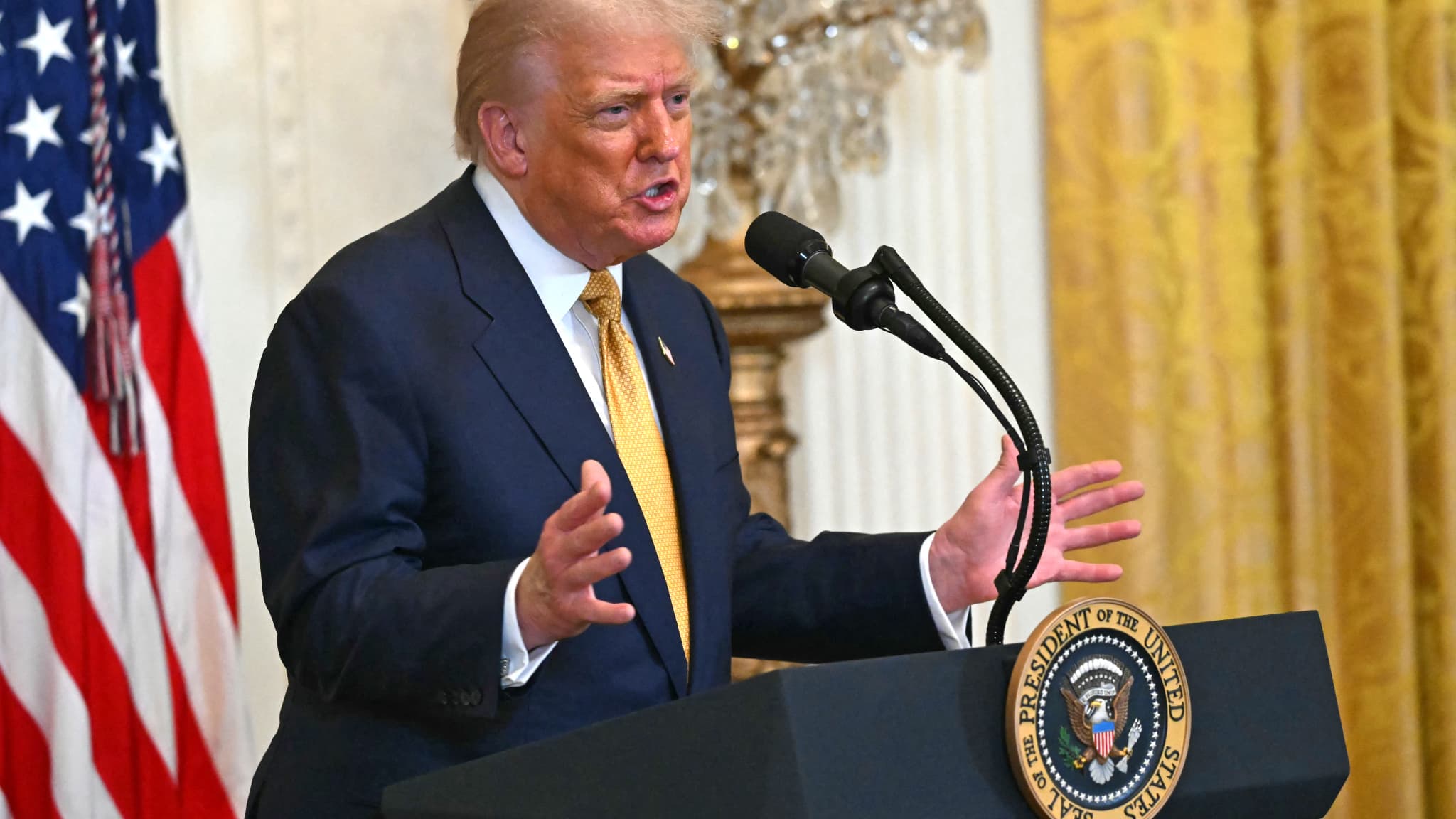
The dispute centers on the terms of a nascent peace deal, mediated by Qatar and Pakistan, intended to halt months of regional conflict. While Vice President JD Vance described the Swiss negotiations as a solid foundation for a final accord, the reality on the ground remains fractured. Trump claimed on Truth Social that Iran agreed to the highest level of nuclear oversight, suggesting that unfrozen Iranian funds would be funneled into an escrow account to purchase U.S. agricultural goods. Iran’s U.N. envoy, Ali Bahreini, dismissed this, stating that Tehran alone will determine how to manage its own resources.
Despite the friction, the U.S. Treasury has moved to waive certain sanctions for 60 days, permitting Tehran to resume oil exports. This economic relief accompanies a fragile ceasefire in southern Lebanon, where Israeli forces and Hezbollah remain engaged in tense post-conflict positioning. While tanker traffic has resumed through the Strait of Hormuz, Iran and Oman are now seeking to formalize navigation rights and potential transit fees. With midterm elections approaching, the stability of these agreements carries significant political weight for the administration, as rising energy costs and nuclear proliferation concerns continue to challenge the current diplomatic roadmap.


Comments (0)
No comments yet. Be the first!