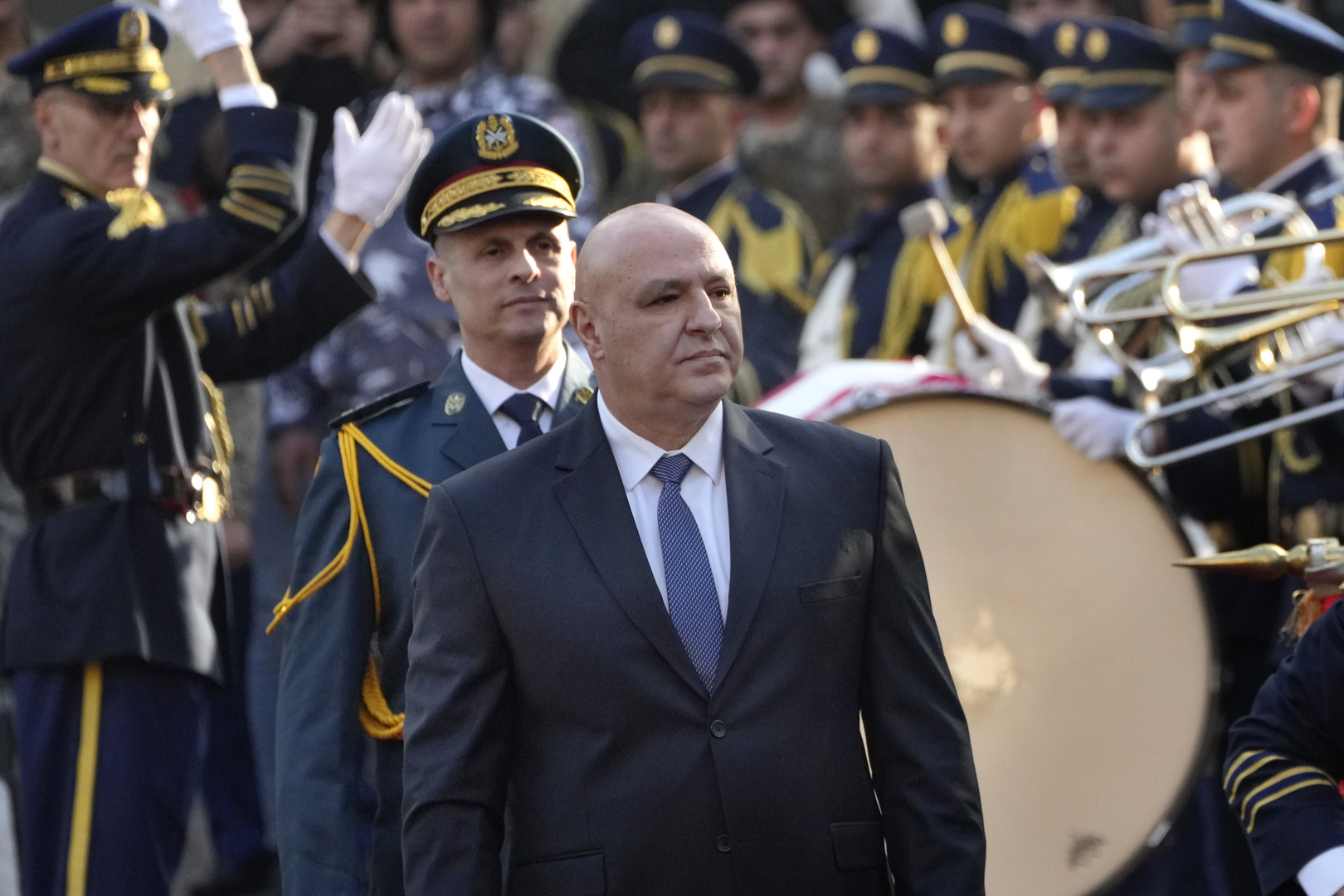
President Joseph Aoun voiced hope that these three-day sessions would prove decisive, yet his administration finds itself in a precarious position. While the Lebanese government insists that direct bilateral dialogue remains the only viable path to ending the conflict, the US-Iran deal has effectively shifted the center of gravity, emboldening Hezbollah to favor Tehran’s diplomatic track over the state’s own efforts.
The core of the dispute remains unchanged. Beirut is pushing for a concrete timeline for the withdrawal of Israeli forces from southern Lebanon, a demand Israeli officials have rejected, maintaining that troops will remain indefinitely. Israeli government spokesperson David Mencer stated that the primary objective for his side is the disarmament and dismantling of Hezbollah, which Israel views as the sole obstacle to a permanent peace agreement.
Internal pressure complicates the Lebanese position further. Hezbollah has formally rejected calls for its disarmament and continues to pressure the government to abandon direct talks with Israel. With deep-seated mistrust between the two delegations and the Lebanese state fearing that a direct confrontation with the militant group could ignite a civil war, the path toward a comprehensive security agreement appears increasingly constrained by the competing interests of regional powers.



Comments (0)
No comments yet. Be the first!