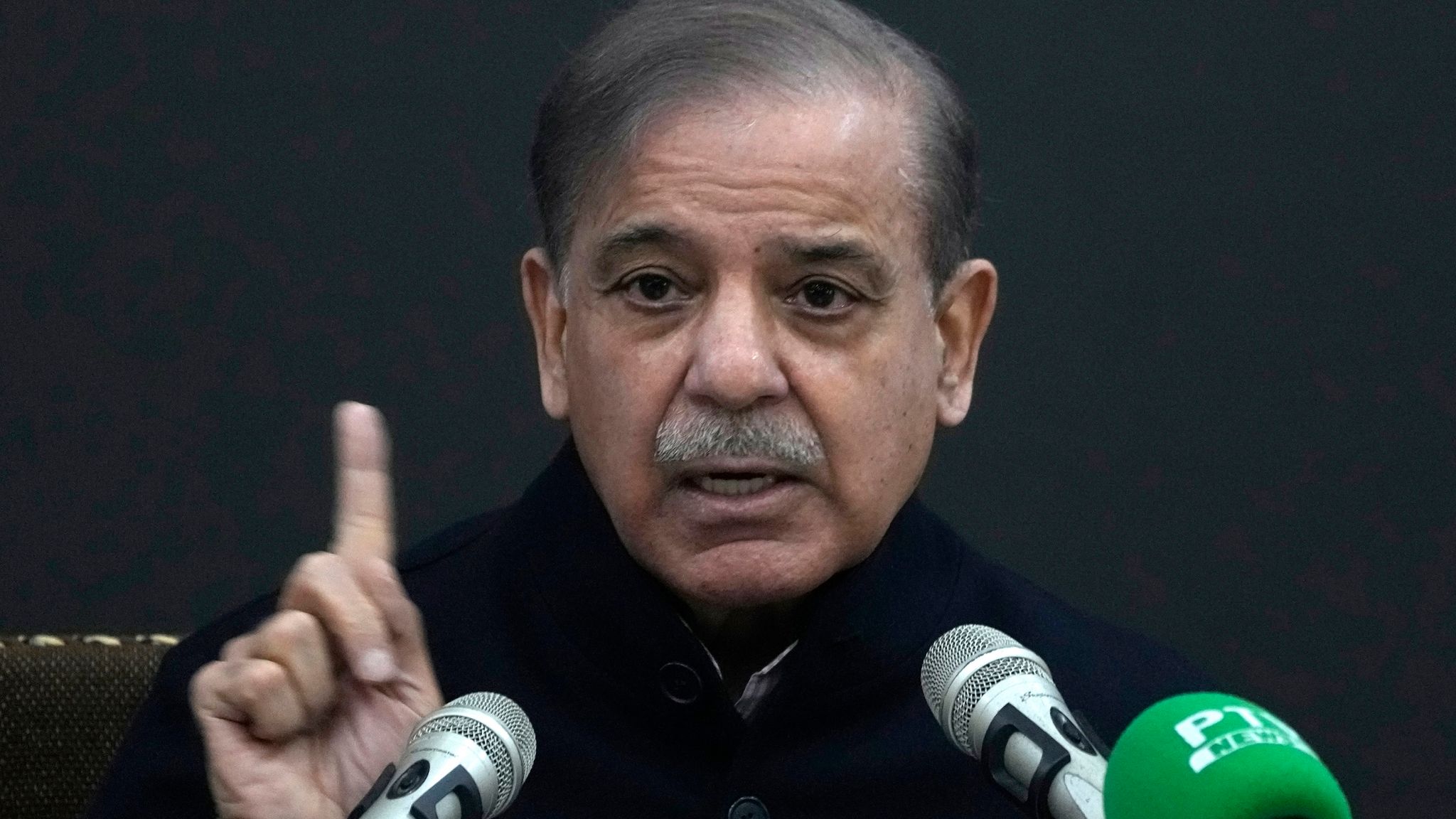
The recent mediation efforts have cast Pakistan as a rare bridge between competing power blocs, including China, Turkey, and the Gulf states. Supporters argue that this "peace pivot" offers a clear path toward attracting foreign investment, easing trade barriers with Iran, and securing better access to Western markets. For a nation historically reliant on external bailouts, the prospect of turning geopolitical relevance into a stable source of capital is an alluring shift in strategy.
Yet, the historical record suggests a dangerous pattern. Following 2001, Pakistan leveraged its strategic importance to secure massive financial inflows, only to watch those gains evaporate without triggering deep-seated structural reforms. Today, the core obstacles remain untouched: a narrow tax base, persistent dependence on IMF programs, and anemic export competitiveness. Diplomatic goodwill may open doors for energy projects or technology transfers, but these gains risk being purely incremental. Without fundamental changes to domestic governance and institutional stability, the current surge in international standing will likely follow the same trajectory as previous cycles of reliance, offering temporary relief rather than the long-term economic transformation the country requires.


Comments (0)
No comments yet. Be the first!