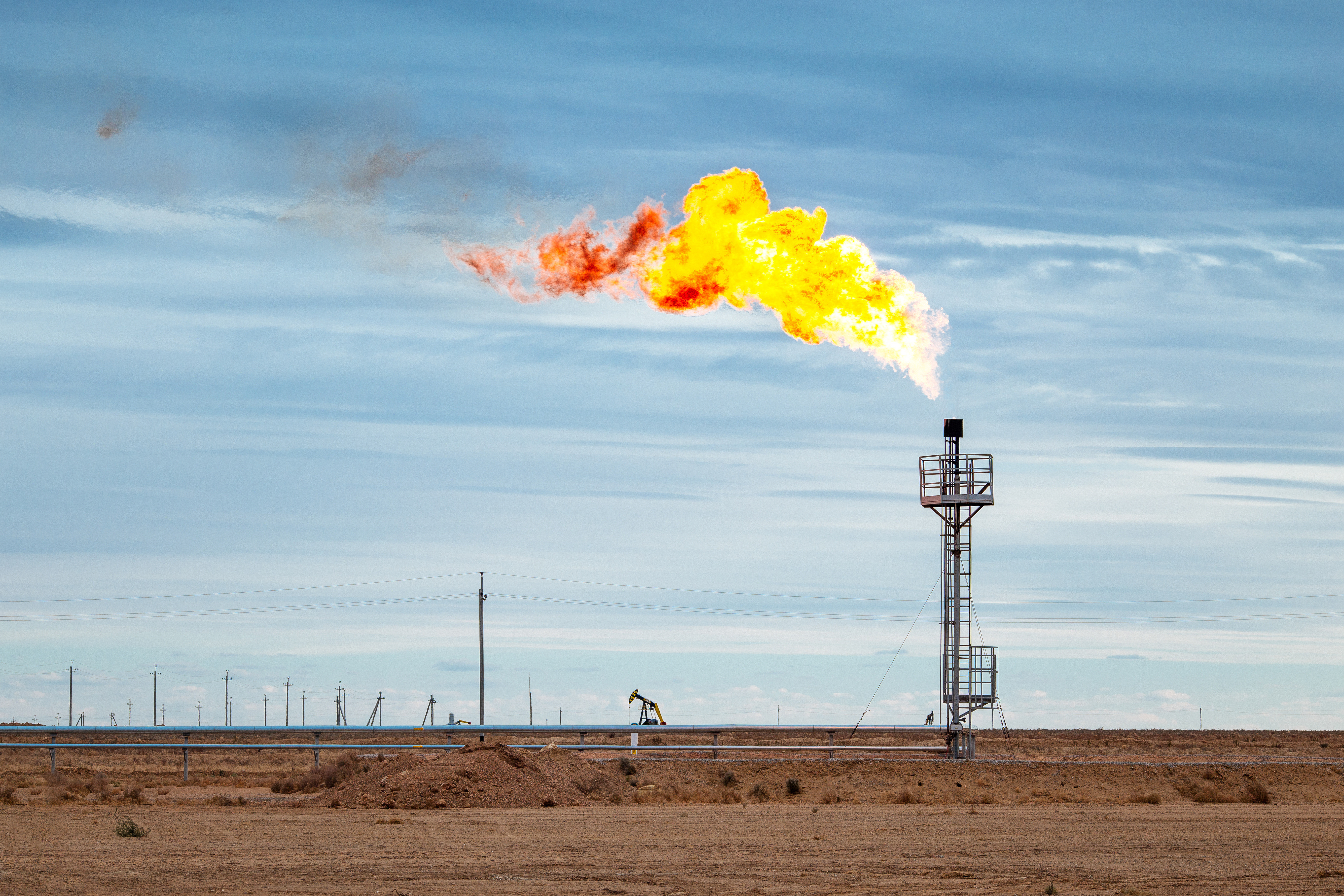
The World Bank data reveals that Russia, Iran, and Iraq are responsible for nearly half of the world’s total flaring. While technological solutions exist to capture associated gas for power and industrial use, the economic reality for many producers favors burning the resource over the high upfront costs of infrastructure development. This persistent waste underscores a structural failure in oil production planning, where gas capture is rarely integrated into core operations.
Beyond the leading trio, nine nations—including the United States, Venezuela, and Nigeria—account for over 80 percent of global flaring. Nigeria’s regulators have contested these findings, citing discrepancies between satellite-based estimates and their own metered data, yet the underlying issue of infrastructure gaps remains universal. With the 2030 deadline for ending routine flaring approaching, the focus is shifting from technical capability to governance. Experts warn that without significant policy shifts and a pivot toward long-term investment, the practice will continue to undermine global emissions goals, as producers prioritize immediate output over efficiency.



Comments (0)
No comments yet. Be the first!