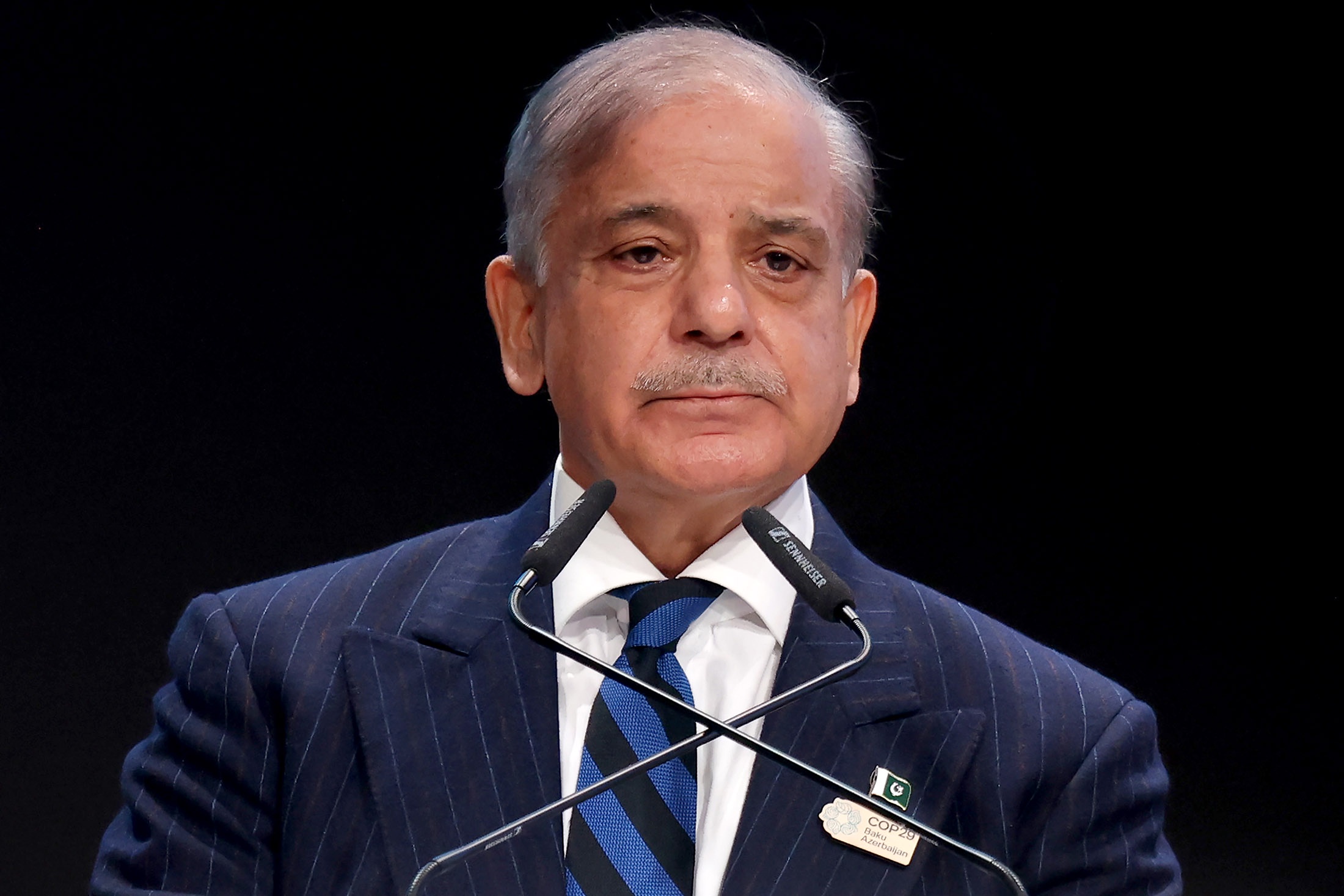
The breakthrough, solidified at recent talks in Buergenstock, Switzerland, positioned Pakistan as a critical arbiter in a conflict that threatened to cripple global oil supplies via the Strait of Hormuz. U.S. Vice President JD Vance’s public warmth toward Munir signaled a thaw in relations, yet the material benefits remain speculative. Pakistan is currently targeting 4.0% economic growth for the coming fiscal year, a goal shadowed by a narrow tax base and persistent reliance on IMF bailouts.
Proponents of the diplomatic pivot, such as finance adviser Khurran Schehzad, argue that Pakistan’s reputation as a stable regional actor creates a favorable environment for foreign investment. Some analysts suggest that if sanctions on Iran ease, the Balochistan border could become a hub for lucrative trade. However, skeptics like former finance minister Miftah Ismail argue that international goodwill does not address the fundamental issues of high production costs and weak export performance. He noted that despite the prestige, the country remains tethered to IMF support.
Economists are urging the government to reject the temptation of short-term financial windfalls in favor of long-term structural integration. Harvard’s Asim Ijaz Khawaja advocates for prioritizing technology transfers and preferential market access over simple cash injections. Meanwhile, Oxford’s Adeel Malik warns that without internal reform, the current system merely grants the ruling elite a temporary reprieve. While Western nations—including the UK—are exploring deeper trade links, the consensus remains that Islamabad’s "peace pivot" will only yield lasting dividends if it serves as a catalyst for domestic transformation rather than a substitute for it.

Comments (0)
No comments yet. Be the first!