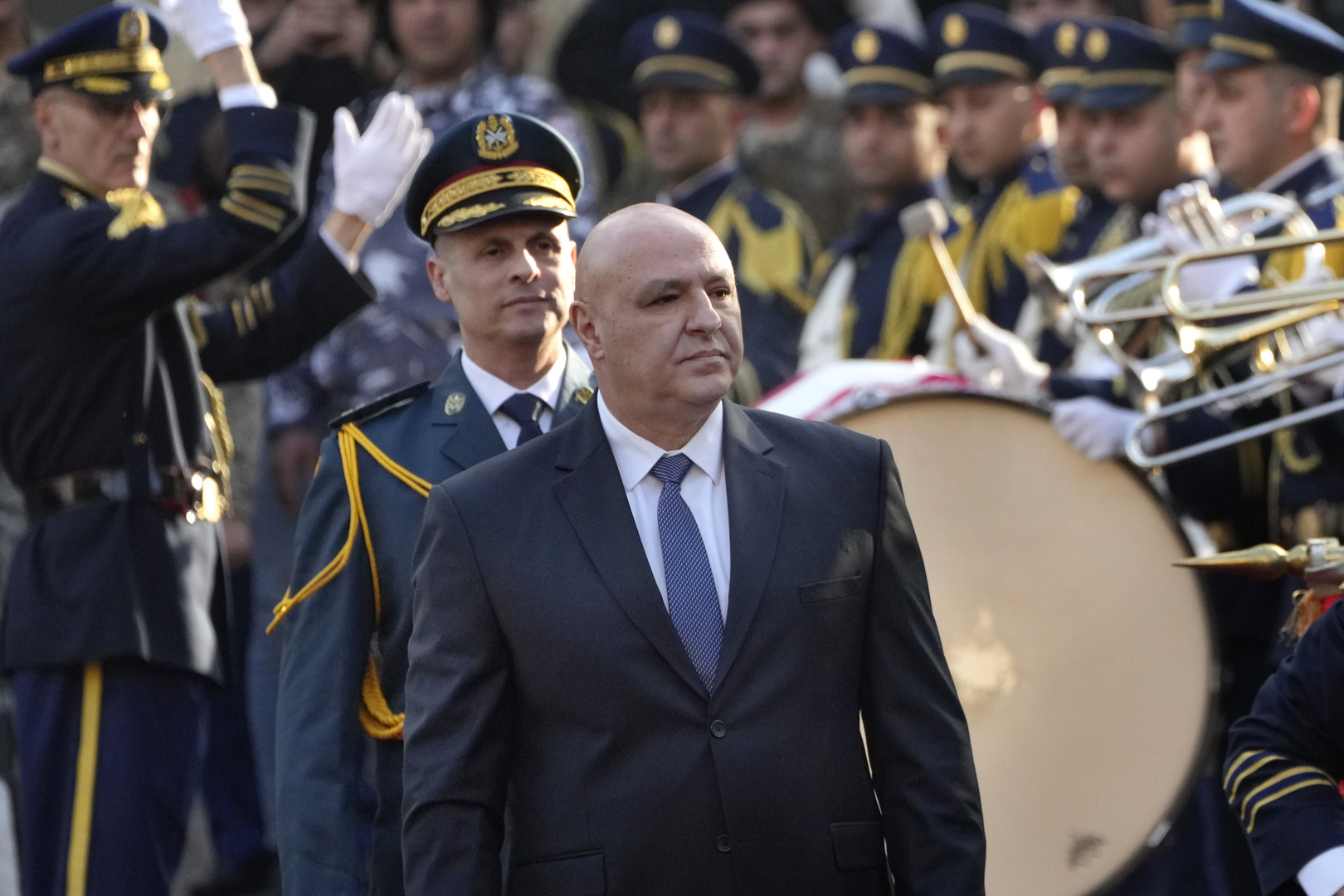
Four previous rounds of dialogue since April have failed to produce a durable ceasefire. The current three-day session arrives under the shadow of a U.S.-Iran agreement that effectively dictated the recent lull in hostilities, leaving the Lebanese government—led by President Joseph Aoun—struggling to assert its relevance. Lebanese officials describe the situation as a fundamental crisis of trust, noting that neither side is prepared to yield on core demands. Beirut intends to press for a concrete timeline for Israeli military withdrawal from the south, a proposal Israeli officials have already signaled they will reject in favor of an indefinite troop presence.
Israeli government spokesperson David Mencer stated that the primary objective remains the dismantling of Hezbollah, which Israel views as the sole obstacle to a formal peace agreement. The Lebanese state, however, continues to avoid direct confrontation with the group to prevent internal civil strife. Analyst Karim Safieddine of the Tahrir Institute for Middle East Policy warns that Israel may adopt an even more rigid stance during these talks, fueled by frustration over the U.S.-Iran deal. With Hezbollah openly betting on Tehran to secure its interests, the Lebanese delegation enters the negotiations with little expectation of structural progress.

Comments (0)
No comments yet. Be the first!