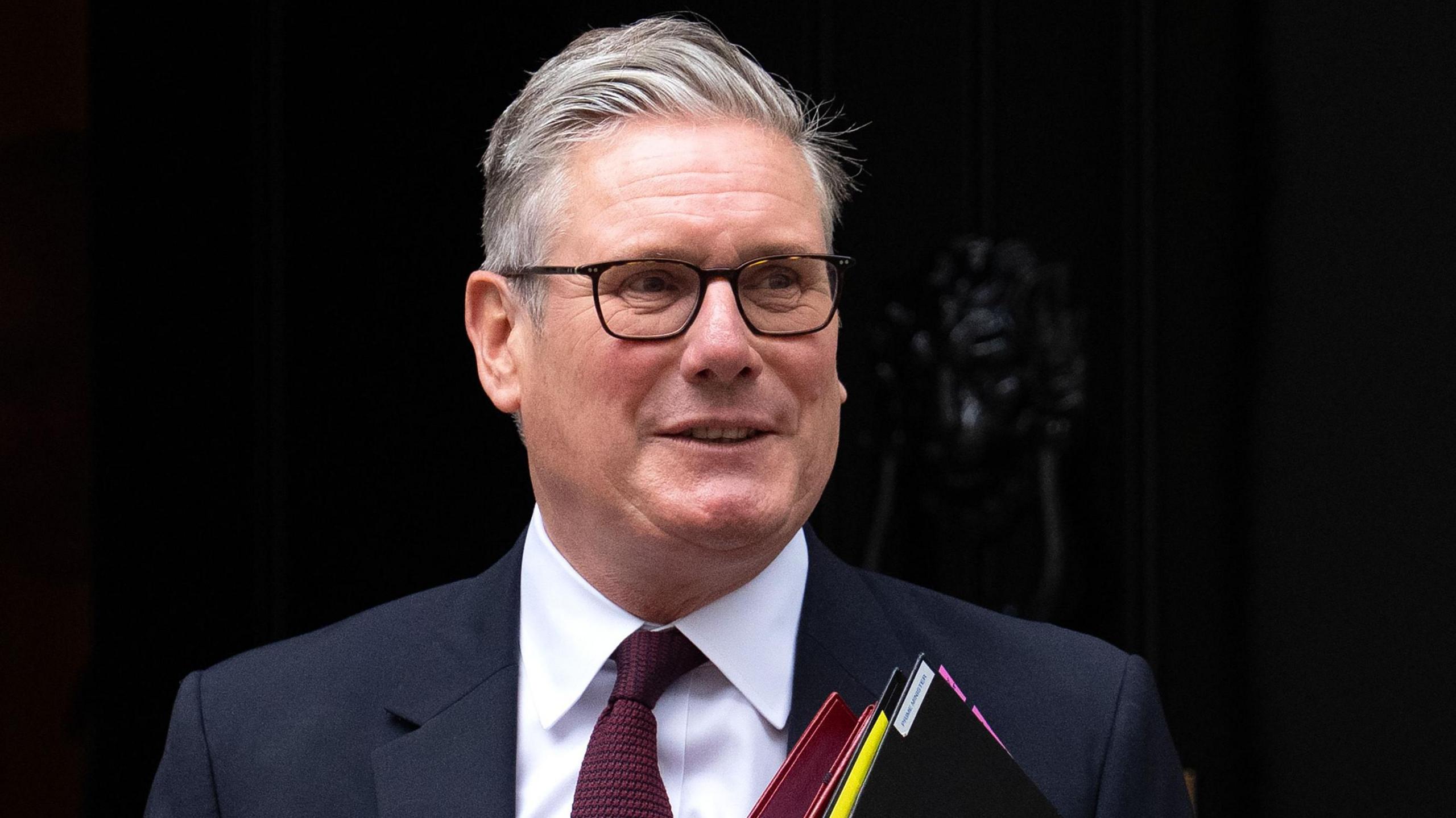
The speed of Starmer’s exit highlights a growing trend where mid-term unpopularity triggers immediate leadership changes. While financial markets have responded with surprising calm—evidenced by a 1% gain in the FTSE 100 and stable gilt yields—this reaction reflects a resignation to the status quo rather than confidence in a fresh start. Investors are currently betting that an uncontested transition to Andy Burnham will avoid a protracted power vacuum, yet the underlying economic dilemma remains unresolved.
The Growth Dilemma
Burnham inherits a fiscal tightrope. Barclays analysts Jack Meaning and Cian Hennigan suggest that adhering to existing budget rules without carving out space for investment will likely drag on GDP by roughly 1 percentage point over the next three years. While markets might tolerate limited fiscal heterodoxy if it accompanies a credible long-term growth narrative, the temptation to rely on unfunded spending or higher taxes offers no clear path out of the current funk. Ultimately, the market’s benign gloss on this transition ignores a fundamental reality: constant leadership turnover precludes the consistency required for long-term economic recovery. Unless the next administration secures enough time to implement a coherent policy framework, the cycle of political instability will continue to undermine the nation’s productivity and global standing.



Comments (0)
No comments yet. Be the first!